Introduction
Elves are supernatural beings originating in Germanic mythology and Northern European folklore. Often possessing extraordinary beauty, magical abilities and mysterious connections to the natural world, they occupy an uncertain position between gods, spirits and humans, appearing as both helpful and dangerous entities.
Unlike the consistently elegant, immortal beings familiar from modern fantasy, traditional elves display considerable variation across cultures. Some inhabit heavenly realms, others dwell beneath hills or inside rocks, while certain traditions associate them with unexplained illnesses, supernatural encounters and dangerous forms of enchantment.
Their mythology reflects humanity’s relationship with unseen forces, the surrounding landscape and the boundaries between ordinary existence and the supernatural. From medieval Germanic poetry to Icelandic folk legends, elves have maintained a remarkable presence in European storytelling for more than a millennium.
History/Origin
The origins of elves extend into early Germanic belief, preceding the surviving written accounts of Norse mythology. Linguistic evidence indicates that ancestral Germanic communities recognized supernatural beings corresponding to elves, although historians cannot establish precisely when these beliefs first emerged or developed.
Among the earliest evidence are Old English personal names, linguistic records and literary references. The epic poem Beowulf, preserved in a manuscript dating to approximately 1000 CE, places elves among supernatural creatures associated with the biblical figure Cain, reflecting a Christian interpretation.
“Of Cain awoke all that woful breed, Etins and elves and evil-spirits.”
Beowulf, anonymous, lines 111-112, translated by Francis Barton Gummere, 1910.
Scandinavian traditions preserve another important body of evidence through medieval Icelandic literature. The Poetic Edda contains references to elves alongside gods and other supernatural populations, while Snorri Sturluson’s thirteenth-century Prose Edda provides a more structured, although not necessarily universally accepted, classification of elves.
Christianization did not eliminate elf beliefs from Northern Europe. Instead, these traditions continued developing through medieval literature, supernatural legends and oral storytelling. Nineteenth-century folklore collectors subsequently documented numerous regional interpretations, preserving beliefs that had circulated among rural communities across generations of cultural change.
In Different Cultures
Norse Mythology
In Norse mythology, the álfar occupy a prominent position within the supernatural order. The Poetic Edda associates them with divine society, particularly through Álfheimr, a realm granted to Freyr, the Vanir god connected with prosperity, fertility and the well-being of humanity.
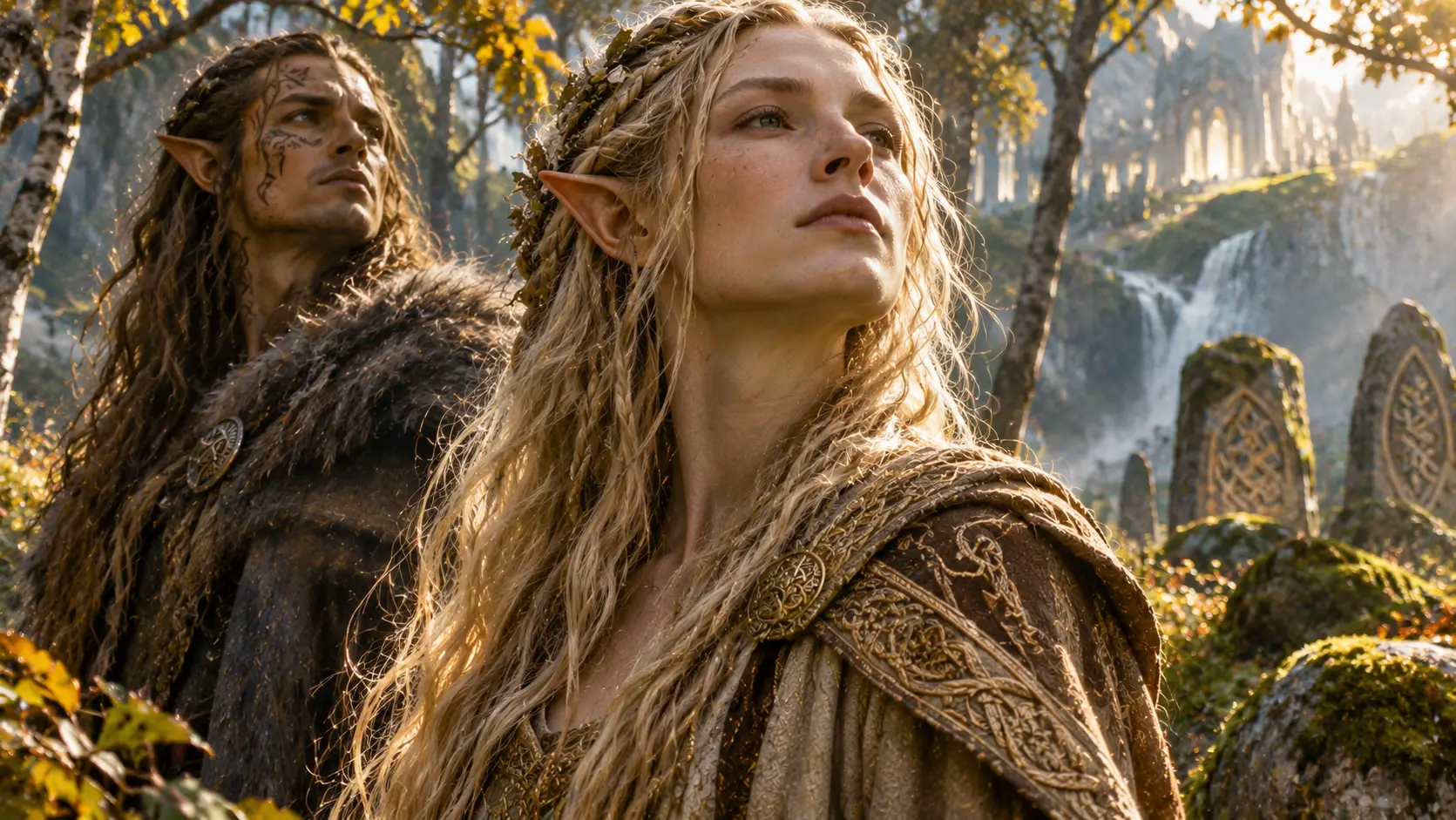
Snorri Sturluson distinguishes between light elves, known as ljósálfar, and dark elves, called dökkálfar. However, earlier surviving poetry does not clearly establish this division, and scholars continue debating the relationships between elves, dwarves and the Vanir within the original pre-Christian mythological framework.
Anglo-Saxon Culture
Anglo-Saxon beliefs portray elves as supernatural beings capable of influencing human health and well-being. Old English medical manuscripts associate them with certain illnesses, while literary and linguistic evidence reveals connections with exceptional beauty, suggesting a more complicated identity than simply that of malevolent spirits.
Scholar Alaric Hall argues that early Anglo-Saxon elves were primarily understood as male beings, despite their associations with qualities considered feminine. By the eleventh century, linguistic evidence indicates that the term could also describe female supernatural beings, demonstrating a significant cultural development.
Icelandic Folklore
Icelandic elves frequently overlap with the huldufólk, or hidden people, although some traditions distinguish between them. These beings inhabit rocks, cliffs and hills, maintaining concealed communities that resemble human settlements, complete with households, families and activities associated with ordinary Icelandic rural life.
Unlike distant mythological beings, Icelandic elves often participate directly in human affairs. Folk narratives describe them requesting assistance, rewarding kindness or responding negatively to disturbances of their dwellings. Their traditions establish a particularly close relationship between supernatural belief and the inhabited Icelandic landscape.
Danish Folklore
Danish traditions describe the elverfolk as enchanting supernatural inhabitants of hills and other secluded locations. Their communities include male and female elves governed by an elf king, while their celebrations sometimes cause the hills containing their dwellings to rise upon glowing pillars.
Danish elves are particularly associated with dangerous hospitality and seduction. They invite travelers into their gatherings, offering music, dancing, food and drink. Accepting these invitations may place humans under supernatural control, sometimes preventing their return or leaving them permanently affected by the encounter.
Swedish Folklore
Swedish älvor generally appear as female supernatural beings associated with forests, meadows, mountains and burial mounds. Unlike the predominantly male elves suggested by early medieval evidence, later Swedish traditions emphasize groups of elusive women whose collective dances accompany the appearance of mist.
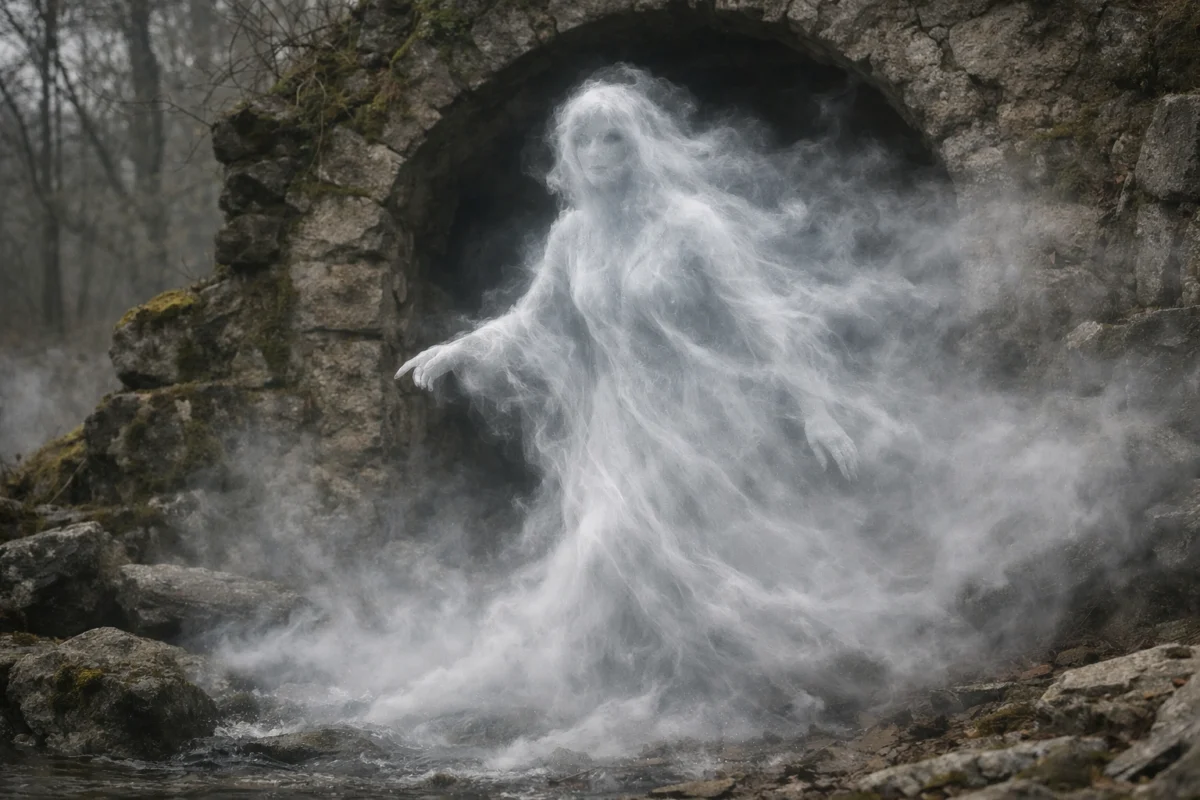
Their apparently graceful activities conceal considerable danger. Traditional beliefs associate encounters with älvor with illness, encouraging people to avoid disturbing their gatherings. The expression älvdans, meaning elf dance, also describes the mysterious appearance of low-lying mist drifting across the Swedish countryside.
Name Meaning
The English word elf derives from Old English ælf, with regional variants including elf and plural forms such as ylfe. Related Germanic terms include Old Norse álfr, Old Saxon alf and Old High German alb, demonstrating their shared linguistic ancestry across Northern Europe.
Linguists reconstruct ancestral Germanic forms including *albiz and related variants. One longstanding hypothesis connects these words with an earlier Indo-European root associated with whiteness or brightness. However, this deeper etymology remains uncertain and cannot conclusively establish the original appearance or nature of elves.
The word also survives within historical personal names, including Ælfred, meaning elf counsel, and Ælfwine, meaning elf friend. These naming traditions suggest that associations with elves could carry positive significance, contrasting with the negative characteristics attributed to them in certain medieval writings.
Christmas Elves and the Santa Claus Tradition
Christmas elves represent one of the most recognizable modern interpretations of elves. Unlike their often mysterious and dangerous counterparts in Germanic folklore, these supernatural beings primarily assist Santa Claus, manufacture toys, prepare Christmas gifts and participate in seasonal celebrations involving children.
The Scandinavian Household Spirits
Northern European folklore provides an important parallel through the Danish and Norwegian nisse, the Swedish tomte and the Finnish tonttu. These small supernatural household guardians traditionally protected farms, assisted with domestic responsibilities and expected respectful treatment from the families they served.
Christmas held particular significance within these traditions. Families sometimes left porridge or other food for their household spirits during the celebrations. By the late nineteenth century, illustrators such as Jenny Nyström helped establish the familiar Nordic Christmas elf wearing a red cap.
These household spirits possess their own folkloric identities and should not automatically be equated with the álfar of Norse mythology. Their transformation into festive figures nevertheless illustrates how older supernatural beliefs contributed to the development of Northern European Christmas imagery and customs.
The Birth of Santa’s Elves
An important literary association between elves and Christmas appeared in the poem A Visit from St. Nicholas, first published anonymously in 1823. Interestingly, the poem describes Santa Claus himself as an elf rather than identifying him as the leader of supernatural assistants.
“He was chubby and plump, a right jolly old elf.”
(A Visit from St. Nicholas, traditionally attributed to Clement Clarke Moore, 1823).
A more explicit description of Santa’s supernatural workers appeared in The Wonders of Santa Claus, published in Harper’s Weekly on December 26, 1857. The poem describes numerous elves manufacturing toys, cakes and sweets intended to fill children’s stockings during Christmas celebrations.
In 1873, Godey’s Lady’s Book published an illustration titled The Workshop of Santa Claus, depicting Santa surrounded by toys and small supernatural workers. Such publications helped establish the increasingly familiar relationship between Christmas elves, skilled craftsmanship and the preparation of seasonal gifts.
Appearance and Characteristics
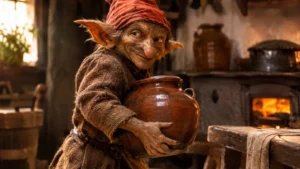
Christmas elves commonly appear as small humanlike beings wearing colorful clothing, pointed hats and distinctive shoes. Modern representations often emphasize pointed ears, cheerful expressions and youthful appearances, although these characteristics reflect artistic conventions rather than established descriptions from early Germanic mythology.
Their collective identity centers upon craftsmanship, cooperation and assistance to Santa Claus. These characteristics contrast with traditional elves whose supernatural abilities frequently threaten or enchant humans, demonstrating a transformation from unpredictable folkloric beings into dependable participants in a largely benevolent festive tradition.
Christmas Elves in Popular Culture
Twentieth-century entertainment further developed the Christmas elf’s identity. Disney’s 1932 animated short Santa’s Workshop depicts elves assisting Santa Claus with preparations for his Christmas Eve journey, reinforcing the image of an organized supernatural community dedicated to the production and delivery of toys.
The twenty-first century introduced additional roles through The Elf on the Shelf, a children’s book and accompanying doll introduced in 2005. This tradition presents elves as visitors to family homes who observe children’s behavior and report their observations to Santa Claus.
The Christmas elf consequently represents a relatively modern reinterpretation of the wider European supernatural tradition. Its development through household folklore, nineteenth-century literature, illustration and commercial entertainment demonstrates how a historically complex supernatural figure acquired an entirely different identity within contemporary seasonal celebrations.
Appearance
Traditional sources do not establish a universal physical appearance for elves. Their descriptions range from remarkably beautiful supernatural beings to shadowy underground inhabitants, humanlike communities and delicate female figures. Regional traditions differ considerably regarding their size, gender, visibility and other distinguishing physical characteristics.
The most influential early description appears in Snorri Sturluson’s Prose Edda, where light and dark elves possess contrasting appearances. Snorri emphasizes their extraordinary differences through comparisons with sunlight and pitch, rather than providing detailed descriptions of their anatomy, clothing or physical proportions.
“The Light-Elves are fairer to look upon than the sun, but the Dark-Elves are blacker than pitch.”
Prose Edda, Gylfaginning, chapter XVII, Snorri Sturluson, circa 1220, translated by Arthur Gilchrist Brodeur, 1916.
Danish folklore introduces a particularly unusual physical characteristic. Despite their attractive humanlike appearance, elves may possess hollow backs that reveal their supernatural identity. This anatomical feature belongs specifically to certain regional traditions and should not become a universal characteristic of Germanic elves.
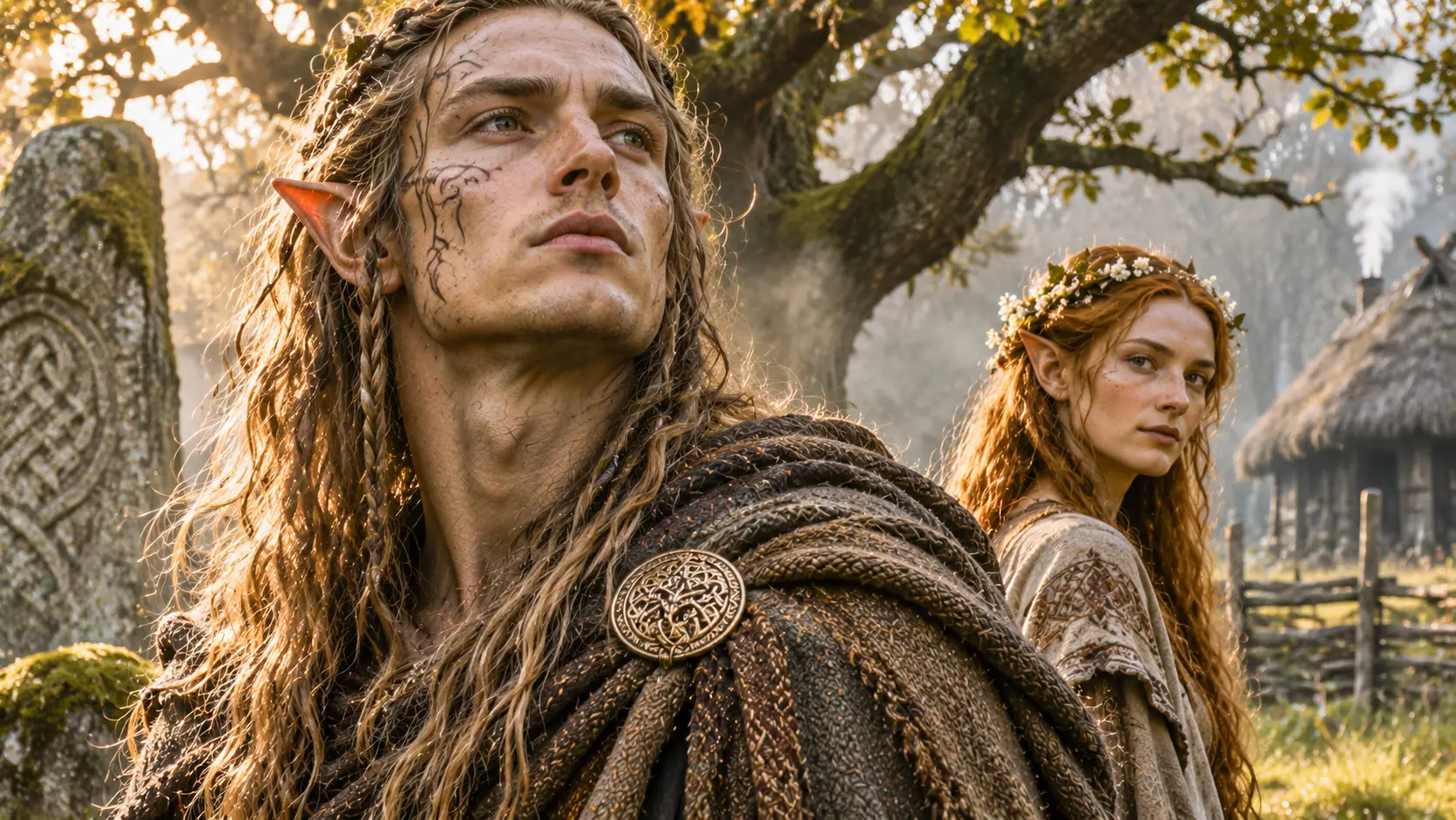
Icelandic elves often resemble ordinary humans, whereas Swedish representations include both human-sized women and smaller, ethereal figures. The familiar pointed ears, elaborate armor and consistently slender physiques of contemporary fantasy elves do not constitute established physical requirements within the earliest surviving mythological accounts.
Background Story
Unlike supernatural beings with clearly defined creation myths, elves possess no single established origin narrative across Germanic traditions. Their existence appears embedded within the broader mythological order, where different supernatural populations inhabit distinct environments and interact according to relationships that surviving texts only partially explain.
Norse cosmology connects elves with the divine realm through Álfheimr. Although the Poetic Edda identifies Freyr as the recipient of this domain, the surviving passage does not describe his authority over its inhabitants or explicitly identify him as the ruler of all elves.
“And Alfheim the gods to Freyr once gave As a tooth-gift in ancient times.”
Poetic Edda, Grímnismál, stanza 5, anonymous medieval Norse poem, translated by Henry Adams Bellows, 1923.
The poem Alvíssmál further distinguishes elves through their particular vocabulary for natural objects and phenomena. Alongside gods, giants, humans and dwarves, elves appear as a recognizable supernatural community possessing their own linguistic conventions, reinforcing their separate cultural identity within the mythological universe.
Elves also maintain connections with fate in Norse mythology. Gylfaginning identifies certain Norns, supernatural beings responsible for determining human destinies, as belonging to elven ancestry. This association places some elves within the forces governing human existence without attributing such authority to every elf.
Later European folklore attributes additional powers to elves, including concealment, enchantment, supernatural illness and the ability to influence human fortune. Their behavior often depends on the circumstances surrounding an encounter, making them unpredictable neighbors rather than uniformly benevolent protectors or inherently destructive enemies.
No universal weakness applies to elves across their different cultural traditions. Individual legends establish particular restrictions and protective measures, but these vary considerably. Their vulnerability, morality, lifespan and magical limitations depend upon the specific tradition rather than a single shared system of supernatural rules.
Famous Folklore Stories
Sir Oluf and the Elf-King’s Daughter
One of Scandinavia’s best-known supernatural ballads, Elveskud recounts the tragic encounter between a young knight and an elf maiden. On the eve of his wedding, Sir Oluf rides through the countryside, inviting friends and acquaintances to attend his upcoming marriage celebrations.
During his journey, Oluf encounters a gathering of elves dancing near a mound. The elf king’s daughter approaches him and invites him to join their dance. She offers valuable gifts, including golden spurs, fine clothing and gold, attempting to overcome his reluctance.
“And if thou wilt not dance with me, Scathe and sickness shall follow thee!”
Danish Ballads, The Elfin Shaft (Elveskud), ballad XVII, stanza 13, translated by E. M. Smith-Dampier, Cambridge University Press, 1920.
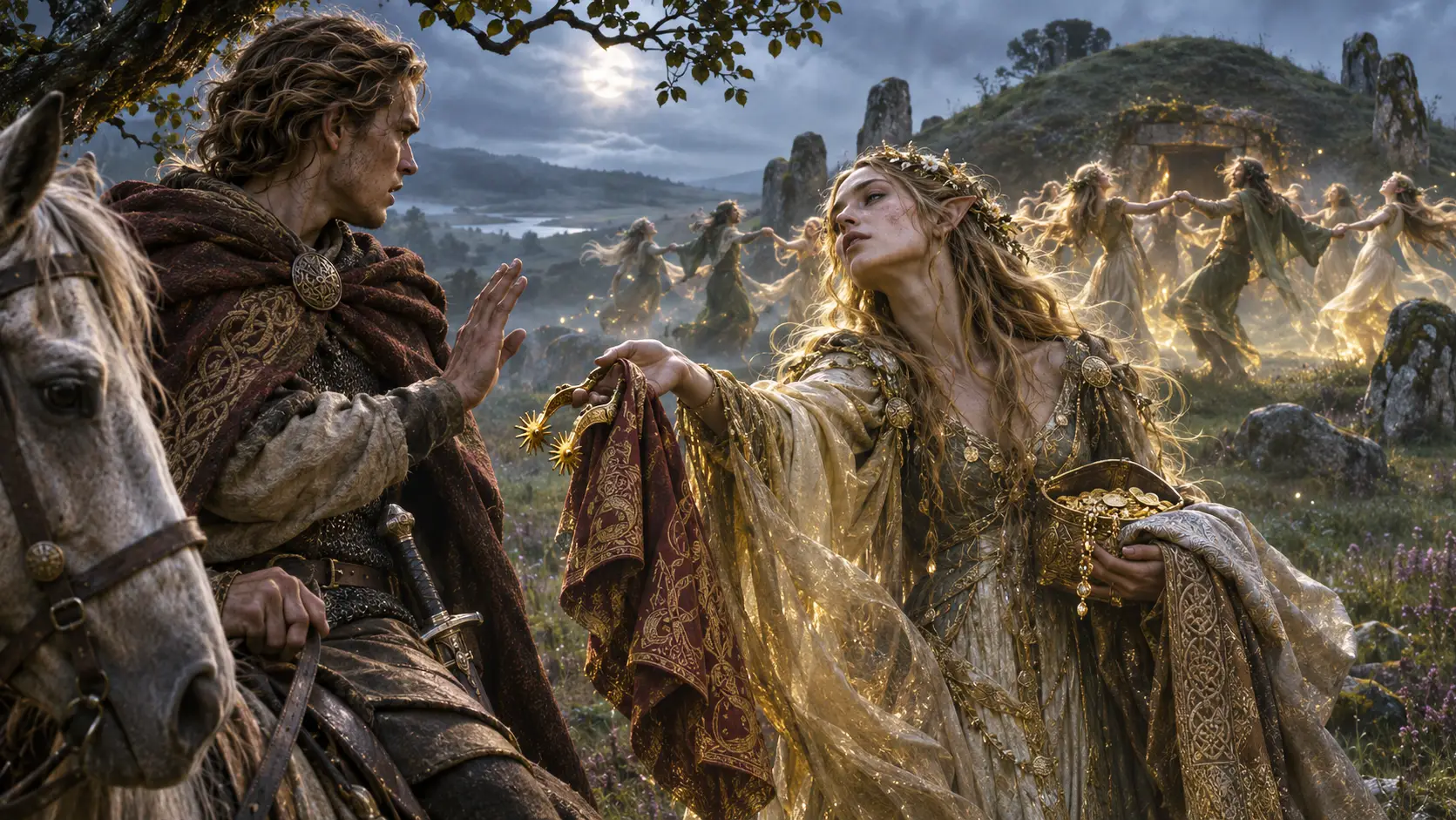
Oluf refuses because his wedding is scheduled for the following morning. Angered by his rejection, the elf maiden strikes him beneath his heart, inflicting terrible pain. She places him upon his horse and sends him home to face the consequences of their encounter.
When his bride arrives the following morning, Oluf’s mother conceals his condition. The bride eventually discovers his lifeless body beneath a scarlet cloak. Overcome by grief, she dies shortly afterward, followed by Oluf’s mother, transforming the anticipated wedding into a devastating family tragedy.
Thomas the Rhymer and the Queen of Elfland
The Scottish ballad of Thomas the Rhymer tells of Thomas encountering a beautiful woman near the Eildon Tree. Riding a magnificent horse decorated with silver bells, the mysterious lady appears so extraordinary that Thomas initially mistakes her for the Queen of Heaven.
She reveals herself as the Queen of Elfland and challenges Thomas to kiss her. Accepting her invitation, he becomes bound to accompany her for seven years. Together, they travel beyond familiar landscapes until the ordinary world disappears behind them, entering unfamiliar territory.
“I am but the queen of fair Elfland, That am hither come to visit thee.”
The English and Scottish Popular Ballads, Thomas Rymer, version 37C, stanza 4, collected by Francis James Child, Volume I, 1882-1883.
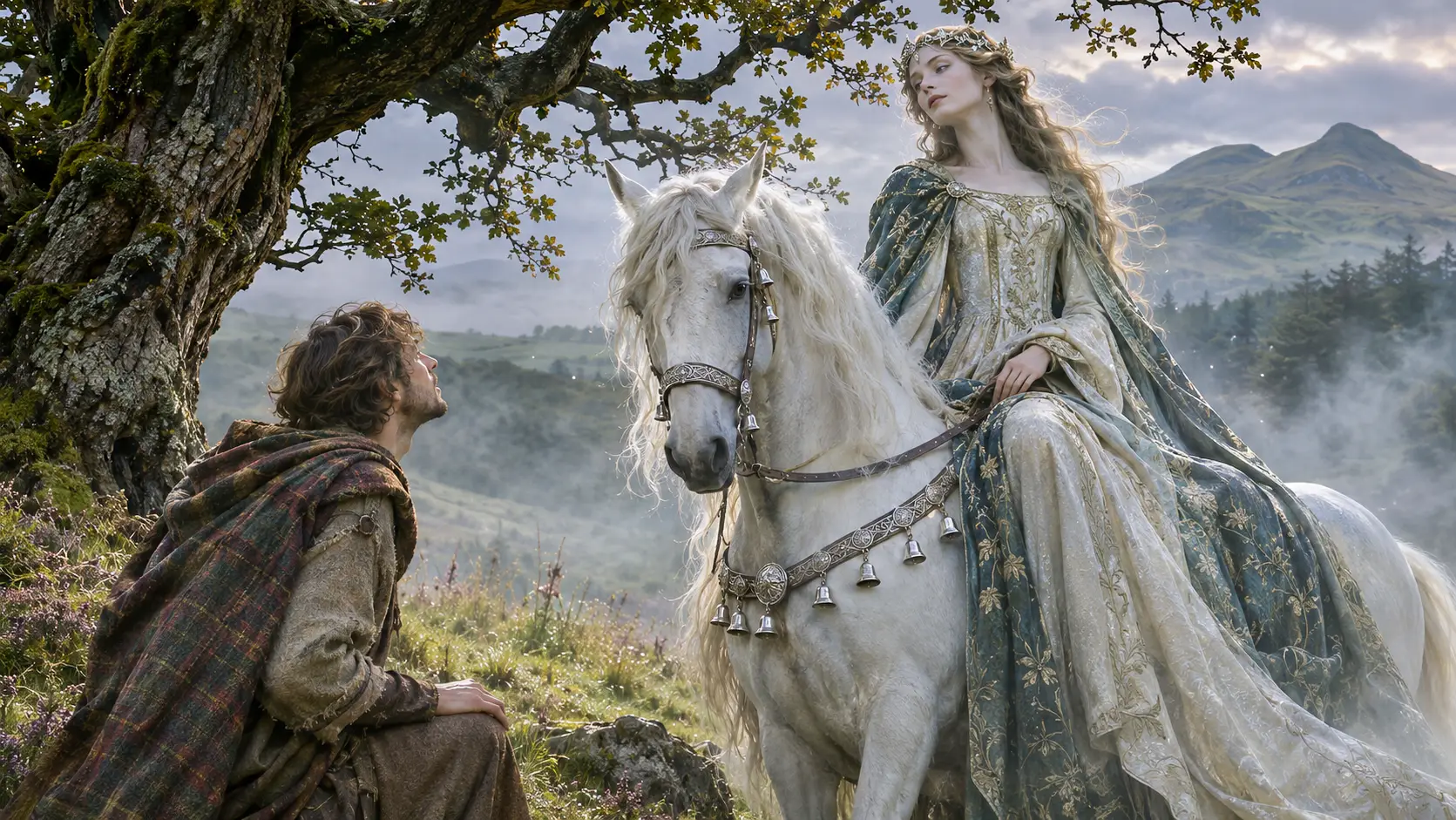
During their journey, the queen reveals three separate roads representing righteousness, wickedness and Elfland. She warns Thomas against speaking within her supernatural kingdom, explaining that breaking this restriction would prevent him from ever returning to his homeland and the people he knows.
The queen eventually gives Thomas an apple that grants him the inability to speak falsely. Although he initially protests against this unusual gift, he cannot reject her decision. The ballad concludes with Thomas remaining absent from the human world for seven years.
Cultural Impact
Elves became important subjects in Northern European traditional ballads, where supernatural encounters provided dramatic frameworks for exploring temptation, forbidden relationships and human vulnerability. These songs preserved regional beliefs through musical storytelling, allowing supernatural traditions to survive beyond their original religious and historical contexts.
During the nineteenth century, Romantic artists rediscovered elves as subjects through which they could express the mysterious qualities of nature. August Malmström’s 1866 painting Dancing Fairies (Älvalek) portrays ethereal figures moving across a mist-covered meadow, connecting Swedish folklore with atmospheric landscape painting.
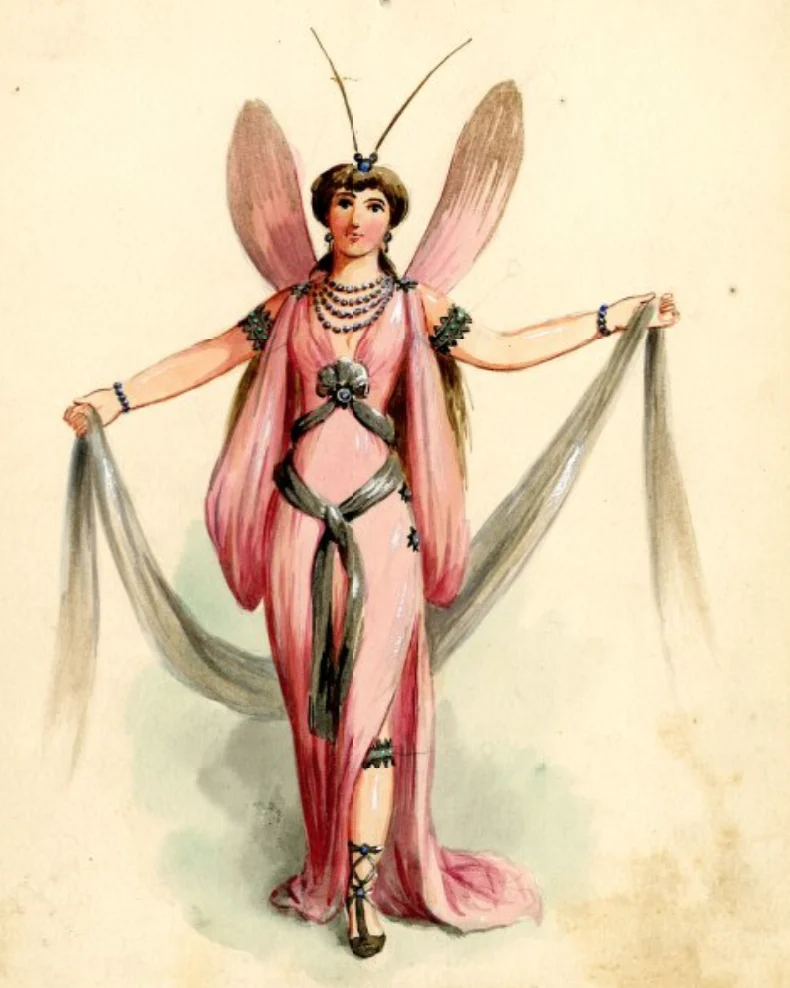
In Denmark, legends surrounding Elverhøj, or the Elf Hill, became part of the country’s cultural heritage. These traditions remain prominent in regional storytelling and cultural preservation, particularly around Stevns, where local institutions continue documenting supernatural narratives associated with the surrounding landscape.
Similar Beasts
Fairy
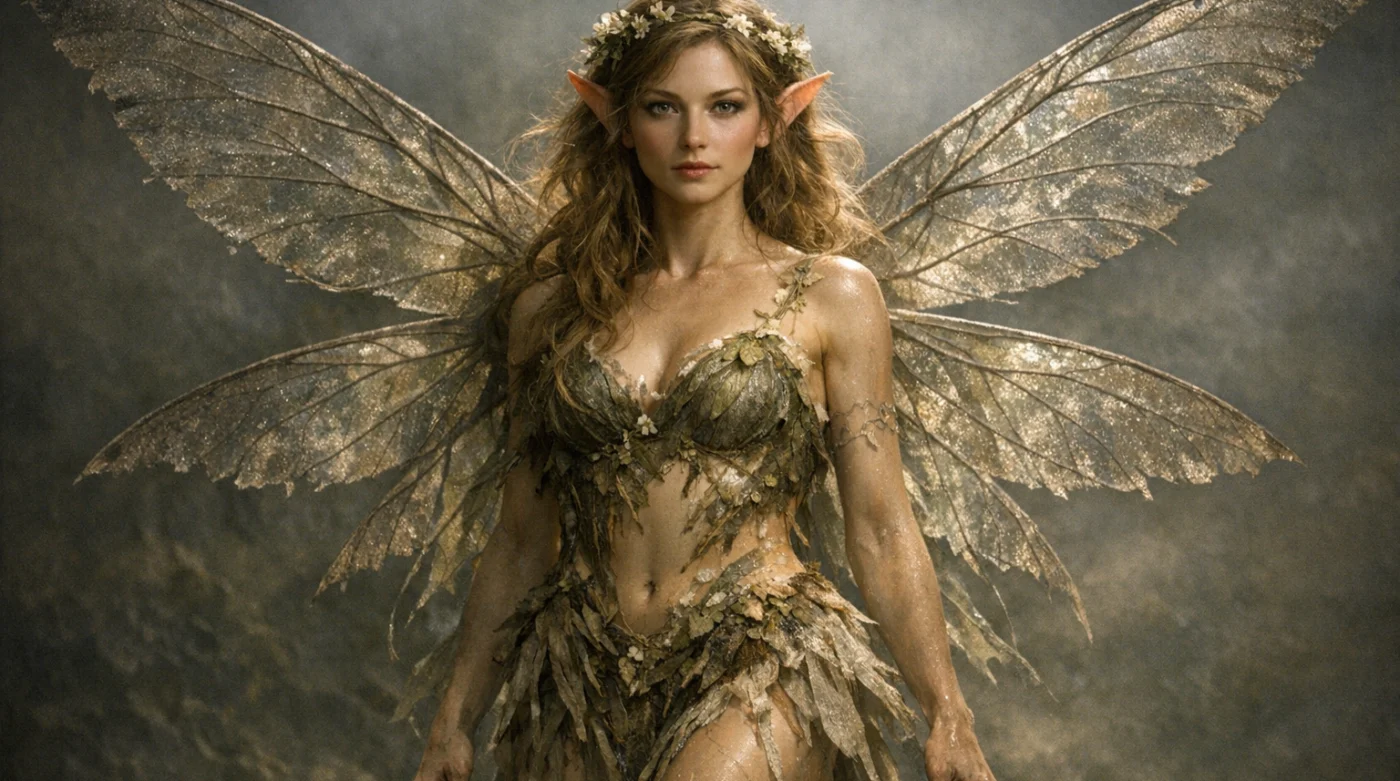
Fairies are supernatural beings prominent in European folklore, particularly British and Irish traditions. Their enchanted communities, concealed dwellings, unpredictable behavior and interactions with humans closely resemble elves, although fairy traditions encompass a broader range of beings.
Dwarf
Dwarves in Norse mythology are supernatural beings associated with craftsmanship, underground environments and extraordinary knowledge. Their uncertain relationship with certain categories of elves in medieval Scandinavian texts reveals overlapping mythological classifications rather than an identical supernatural identity.
Nymph
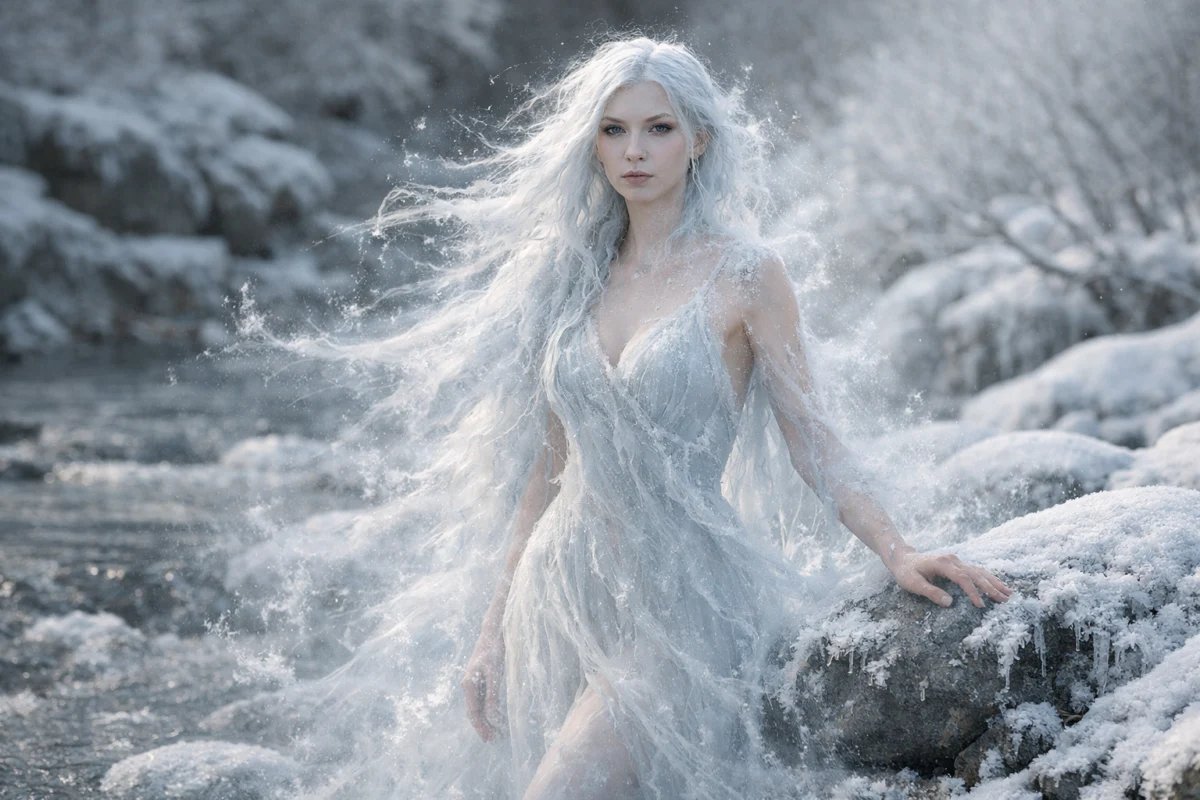
Nymphs are female nature spirits from Greek mythology associated with forests, mountains, rivers and springs. Their beauty, supernatural existence and intimate relationship with natural environments resemble certain Scandinavian elf traditions, particularly those involving female woodland inhabitants.
Kobold
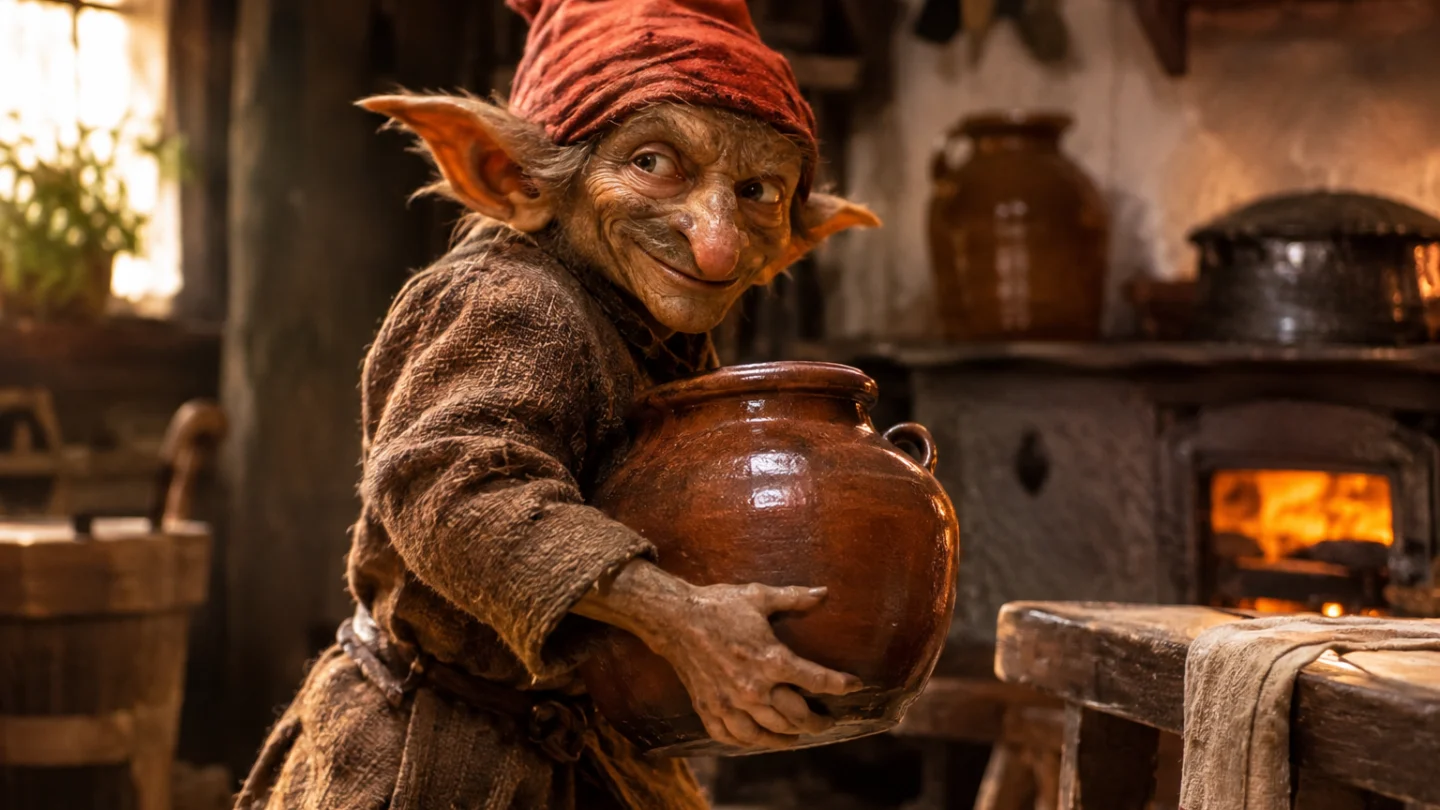
Kobolds are supernatural spirits from German folklore associated particularly with households. Like certain European elves, they may assist humans or cause disturbances, reflecting beliefs in invisible beings whose behavior influences the everyday lives of nearby communities.
Read more about Kobolds
Religion/Ritual
Historical Norse sources preserve evidence of a religious practice called álfablót, meaning sacrifice to the elves. The Icelandic poet Sigvatr Þórðarson describes encountering this ceremony during his travels toward Sweden around 1019-1020 CE, documenting its existence during Scandinavia’s gradual conversion to Christianity.
In the account preserved within Heimskringla, a woman refuses Sigvatr entry to a farmhouse because an elf sacrifice is taking place. The episode suggests that some ceremonies occurred within domestic settings, although the surviving evidence does not establish their complete ritual structure.
Later Icelandic folklore presents elves within a Christian cultural framework. Some legends describe supernatural churches located inside rocks, where humans reportedly hear bells, hymns or religious services. These narratives demonstrate how older supernatural traditions could coexist with the religious beliefs of subsequent generations.
Scientific or Rational Explanations
Scholars have examined elf beliefs as historical explanations for experiences that communities struggled to understand. Medieval English medical literature associates elves with illness, although researcher Alaric Hall challenges the widespread assumption that Anglo-Saxon people consistently attributed such conditions to arrows fired by elves.
Natural phenomena also contributed to the interpretation of supernatural experiences. In Swedish traditions, drifting ground mist became associated with dancing elves. This connection illustrates how recognizable atmospheric conditions acquired mythological significance without establishing that mist originally inspired the broader Germanic belief in elves.
Icelandic folklorist Einar Ólafur Sveinsson proposed that isolation, loneliness and dissatisfaction with rural living conditions contributed to stories about hidden supernatural communities. Recent geographical folklore research continues examining these relationships, although social and psychological interpretations cannot fully explain the historical origins of elves.
Modern Cultural References
The Lord of the Rings, J. R. R. Tolkien, Allen & Unwin, 1954-1955
Tolkien developed elves into an ancient, sophisticated people possessing distinctive languages, histories and cultures, establishing one of the most influential interpretations of elves in modern fantasy literature.
Source: https://www.tolkienestate.com/writing/the-lord-of-the-rings/
The Silmarillion, J. R. R. Tolkien, edited by Christopher Tolkien, Allen & Unwin, 1977
This mythological history of Middle-earth explores the awakening of the elves, their relationships with divine powers, their kingdoms and their struggles against the forces of Morgoth.
Source: https://www.tolkienestate.com/selected-further-reading/
Dungeons & Dragons, Wizards of the Coast, Player’s Handbook, 2024
Elves appear as a playable species with magical ancestry, extended lifespans and distinct lineages, including high elves, wood elves and drow, within the game’s elaborate fantasy mythology.
Source: https://www.dndbeyond.com/species/1751437-elf
Harry Potter and the Chamber of Secrets, J. K. Rowling, Bloomsbury, 1998
The introduction of Dobby presents house-elves as magical beings bound to serve wizarding households, exploring themes of servitude, personal loyalty, freedom and the abuse of supernatural creatures.
Source: https://www.harrypotter.com/fact-file/characters-and-pets/dobby
Elf, directed by Jon Favreau, New Line Cinema, 2003
This Christmas comedy follows a human raised among Santa Claus’s elves, presenting these supernatural beings as a cheerful community associated with toy manufacturing and festive traditions.
Source: https://tv.apple.com/us/movie/elf/umc.cmc.8or4j9cdl1py7vfj4pk52lmf
The Elder Scrolls Online, ZeniMax Online Studios and Bethesda Softworks, 2014
The game presents multiple elven peoples, including the Altmer and Bosmer, whose distinct cultural identities and political affiliations form important elements of the fictional continent of Tamriel.
Source: https://help.elderscrollsonline.com/app/answers/detail/a_id/6156/~/what-are-the-races-of-the-aldmeri-dominion
The Witcher, created by Lauren Schmidt Hissrich, Netflix, 2019
Elves appear as a displaced supernatural population struggling against persecution, with the elven sorceress Francesca Findabair seeking to protect her people and restore their lost homeland.
Source: https://www.netflix.com/tudum/articles/witcher-bible-guide-continent-creatures
Elves (Nisser), created by Stefan Jaworski, Netflix, 2021
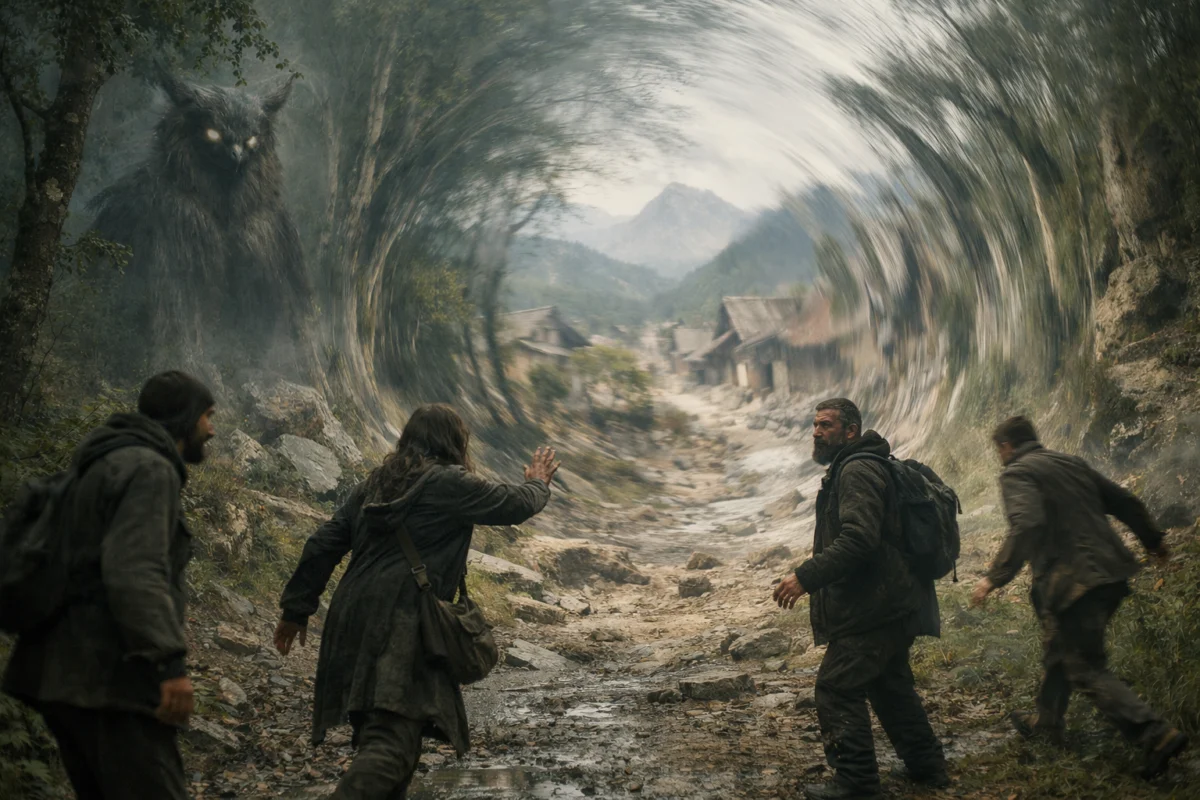
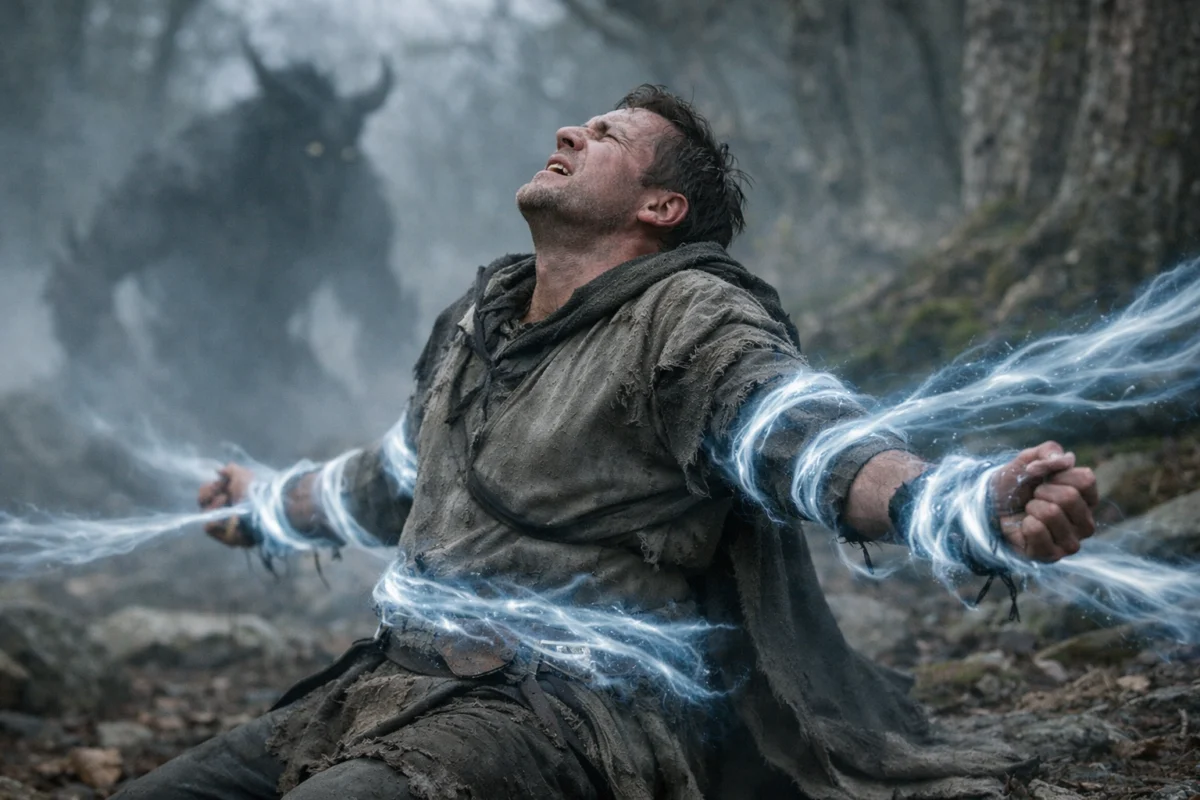
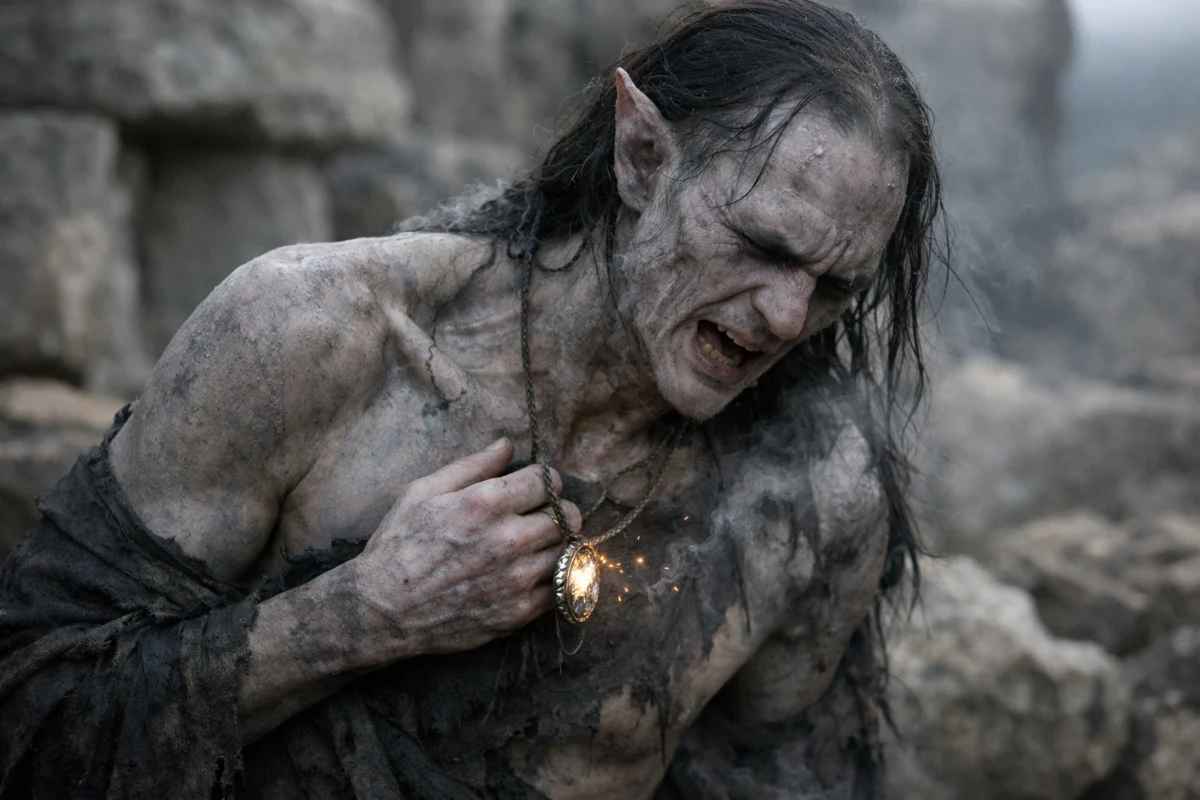
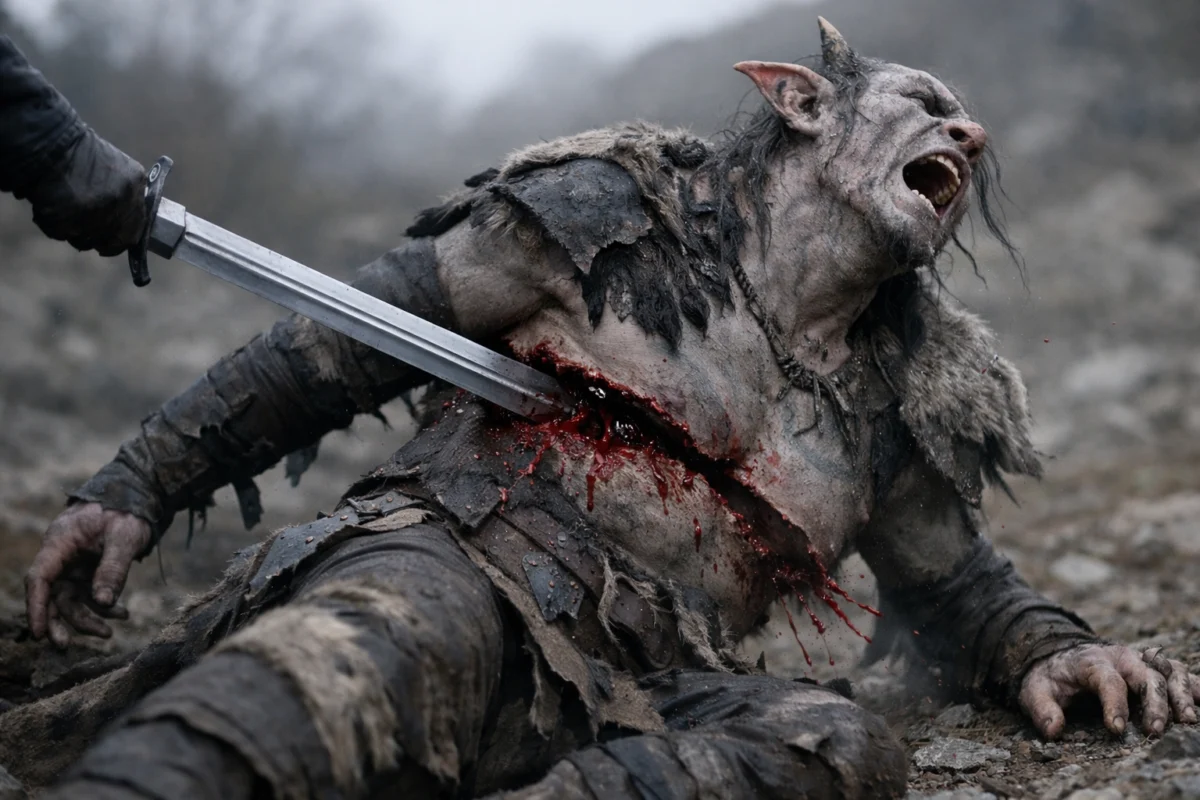
This Danish horror series reimagines elves as dangerous forest creatures inhabiting an isolated island, where a family’s Christmas vacation disrupts the fragile relationship between humans and supernatural inhabitants.
Source: https://www.netflix.com/title/81152779
Conclusion
The enduring significance of elves lies in their ability to embody the mysterious relationship between humanity and an unseen world. Their traditions reveal cultural attitudes toward beauty, danger, nature and supernatural power while resisting any single definition of their identity or purpose.
Across centuries of storytelling, elves have undergone remarkable transformations without losing their distinctive otherworldly character. Their adaptability demonstrates how mythology continually responds to changing cultural environments, preserving ancient supernatural ideas while allowing successive generations to develop entirely new interpretations of familiar beings.
Further Reading
Beowulf, anonymous, translated by Francis Barton Gummere, 1910
An early literary source documenting elves within Anglo-Saxon culture, particularly their association with supernatural populations interpreted through the Christian narrative surrounding Cain and his descendants.
Source: https://etc.usf.edu/lit2go/89/beowulf/1511/chapter-1/
The Prose Edda, Snorri Sturluson, translated by Arthur Gilchrist Brodeur, 1916
A fundamental medieval source describing light elves, dark elves, Álfheimr and the supernatural ancestry of certain Norns within the broader framework of Scandinavian mythology.
Source: https://en.wikisource.org/wiki/The_Prose_Edda_(1916_translation_by_Arthur_Gilchrist_Brodeur)/Gylfaginning
The Poetic Edda, anonymous, translated by Henry Adams Bellows, 1923
A collection of Old Norse mythological poems containing important references to elves, their relationship with divine beings, their supernatural realm and their distinctive vocabulary.
Source: https://sacred-texts.com/book/the-poetic-edda
Heimskringla, Snorri Sturluson, Saga of Olaf Haraldson, translated by Samuel Laing, 1844
Preserves the account of Sigvatr Þórðarson’s encounter with an elf sacrifice during his journey toward Sweden, providing valuable historical evidence of religious practices involving elves.
Source: https://en.wikisource.org/wiki/Heimskringla/Saga_of_Olaf_Haraldson/Part_III
Danish Ballads, translated by E. M. Smith-Dampier, Cambridge University Press, 1920
A collection of traditional Danish ballads containing The Elfin Shaft, an English translation of the tragic Elveskud narrative featuring Sir Oluf and the elf king’s daughter.
Source: https://www.gutenberg.org/cache/epub/74284/pg74284-images.html
The English and Scottish Popular Ballads, Francis James Child, Volume I, 1882-1883
Preserves multiple traditional versions of Thomas the Rhymer, documenting his supernatural encounter with the Queen of Elfland and his subsequent journey beyond the human world.
Source: https://sacred-texts.com/book/the-english-and-scottish-popular-ballads/37-thomas-rymer
Elves in Anglo-Saxon England: Matters of Belief, Health, Gender and Identity, Alaric Hall, Boydell Press, 2007
A major academic investigation of early Germanic elf beliefs, examining linguistic evidence, supernatural illness, gender associations and relationships between Anglo-Saxon and medieval Scandinavian traditions.
Source: https://www.cambridge.org/core/books/elves-in-anglosaxon-england/EB41426EF8DEA4089CA792867E16F2FB
Patterns in Icelandic Elf Hills, Matthias Egeler, Dagrún Ósk Jónsdóttir and Jón Jónsson, Folklore, 2024
A peer-reviewed investigation into Icelandic elf dwellings, exploring recurring geographical characteristics, supernatural traditions and the relationships between local communities and their surrounding physical landscapes.
Source: https://www.tandfonline.com/doi/full/10.1080/0015587X.2024.2359778
Folklore and Etymology: Imps and Elves, Anatoly Liberman, Oxford University Press, 2021
Examines the linguistic origins of words associated with elves and other supernatural beings, discussing historical Germanic terminology and uncertainties surrounding their deeper etymological development.
Source: https://blog.oup.com/2021/03/folklore-and-etymology-imps-and-elves-or-covid-19-and-backpain/
Dancing Fairies (Älvalek), August Malmström, Nationalmuseum, 1866
The museum’s catalogue documents a significant Swedish painting depicting dancing elves, explaining its relationship with atmospheric natural phenomena, Romantic artistic traditions and Scandinavian supernatural folklore.
Source: https://collection.nationalmuseum.se/en/collection/item/18226/
Stevns Folklore Museum, Denmark
A cultural institution dedicated to preserving regional Danish folklore, including legends about Elverhøj, supernatural kings and elf communities traditionally associated with the landscape of Stevns.
Source: https://www.folkloremuseum.dk/en/
Encounters of Humans and Hidden Powers in Sacrosanct Places, Bryndís Björgvinsdóttir, Georgetown Journal of International Affairs, 2020
Examines Icelandic elf beliefs from cultural and environmental perspectives, discussing how traditional supernatural narratives continue influencing human relationships with landscapes, construction projects and natural environments.
Source: https://gjia.georgetown.edu/society-culture/encounters-of-humans-and-hidden-powers-in-sacrosanct-places-part-ii-the-urgent-environmental-implications-of-traditional-icelandic-elf-beliefs/