Introduction
Trolls belong primarily to Norse and wider Nordic literature and folklore. Rather than identifying one stable species, the word has covered a changing range of supernatural beings whose characteristics depend upon period, region, and narrative setting.
Medieval Icelandic usage is especially broad. A troll might be a wilderness being, a person associated with harmful magic, a revenant, a magically altered animal, or an otherwise undefined monster. Context and behavior often mattered more than anatomy.
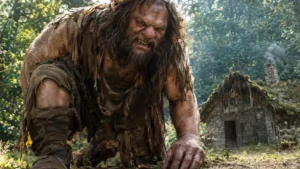
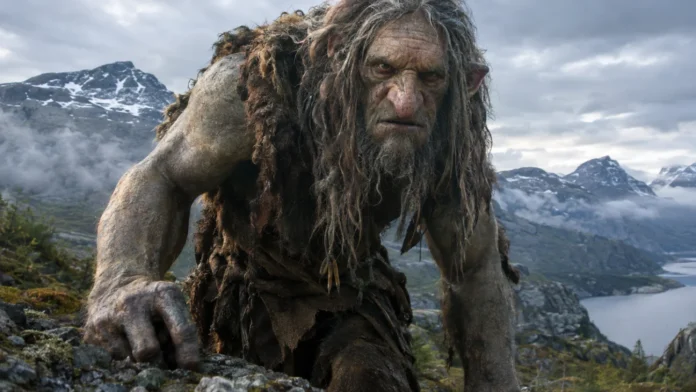
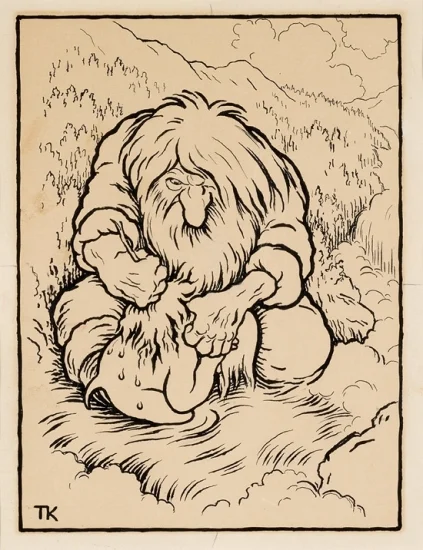
Later Nordic folklore increasingly placed trolls in mountains, forests, passes, and rocky landscapes. Collected tales and illustrations frequently made them enormous, ugly, powerful, or grotesque, producing the familiar ogre-like figure now associated with the name.
These later traits should not be projected onto every medieval example. Even petrification by sunlight, among the best-known supposed weaknesses, belongs to particular regional narratives rather than a single rule governing all trolls. Their importance lies partly in this capacity for change.
History/Origin
Troll traditions developed within the Old Norse and wider Nordic cultural world. They are securely documented in medieval literature by the early thirteenth century, but their precise beginning cannot be dated. The medieval evidence already uses the term flexibly, suggesting an established range of supernatural ideas rather than the sudden appearance of one clearly defined creature.
The Prose Edda, composed in the early thirteenth century and preserved through medieval manuscripts, provides a secure early written witness. Its Skáldskaparmál section includes an encounter between Bragi and a troll-woman in a forest late in the evening. She challenges him, asks who is passing, and exchanges identifying verses with him. The episode supplies no bodily description and does not define trolls as a biological race.
An earlier oral background is probable because the encounter assumes familiarity with the category rather than introducing it. This supports an approximate formation before its thirteenth-century literary recording, but does not establish how much earlier the tradition began or what its earliest form looked like.
Across medieval Icelandic writing, the word could encompass figures that modern classifications would separate. Humans reputed to practice magic, ghosts or revenants, uncanny animals, and wilderness monsters could fall within its semantic range. No single medieval origin story therefore accounts for every being called a troll.
Post-medieval oral traditions preserved and reshaped this varied inheritance. During the nineteenth century, Norwegian collections by Peter Christen Asbjørnsen and Jørgen Moe brought circulating tales to wider print audiences. Collecting and illustration helped popularize large, fantastic trolls, but those publications document continuing tradition rather than its original beginning.
Regional records also preserve substantially different interpretations. An Icelandic legend printed in Jón Árnason’s 1862 collection presents a dangerous troll-woman encountered on a mountain pass. Tricked into looking east as dawn approaches, she becomes stone. This version connects supernatural danger with a particular landscape and makes sunrise petrification central to its outcome, without establishing a universal troll weakness.
Swedish folk belief also included trolls who resembled ordinary people and maintained households, performed domestic work, or kept livestock. They could interact helpfully with humans as well as threaten them. Swedish-language narratives collected in Finland from the 1850s through 1925 likewise preserve encounters involving abduction, conflict, and occasional assistance. These domestic and social portrayals differ meaningfully from the Icelandic petrification episode, while belonging to the same broader Nordic troll tradition.
Name Meaning
The English form preserves a documented Scandinavian name. Old Norse texts use trǫll, while related Nordic forms include Icelandic tröll and Danish trold. These spellings belong to connected linguistic traditions, although their recorded meanings vary considerably by context.
The deeper origin of the word remains uncertain. The historical Danish dictionary connects trold with Old Norse and other Scandinavian forms but explicitly treats its ultimate derivation as unresolved. Popular explanations that assign it one neat original meaning therefore exceed the available evidence.
In medieval usage, the name did not necessarily mean a huge humanoid monster. It could mark a being or person as uncanny, dangerous, magical, undead, or associated with spaces beyond ordinary society. Its semantic breadth is central to understanding the tradition.
The form trollkona, conventionally rendered as “troll-woman,” identifies a female figure rather than a separate supernatural species. Its appearance in the Bragi episode and later Icelandic narratives shows that gendered trolls were recognized, but it does not establish a uniform female type.
Appearance
No canonical medieval body plan can be reconstructed for trolls. The category was broad enough to include humanlike figures, animals affected by magic, revenant-like beings, and monsters whose exact nature remains unstated. A single standard portrait would misrepresent this evidence.
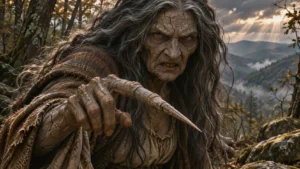
The troll-woman encountered by Bragi offers a revealing example. Although she speaks and exchanges verses with him, the medieval account supplies no physical description. Nothing in that scene confirms enormous size, distorted features, multiple heads, or the later appearance of a fairy-tale ogre.
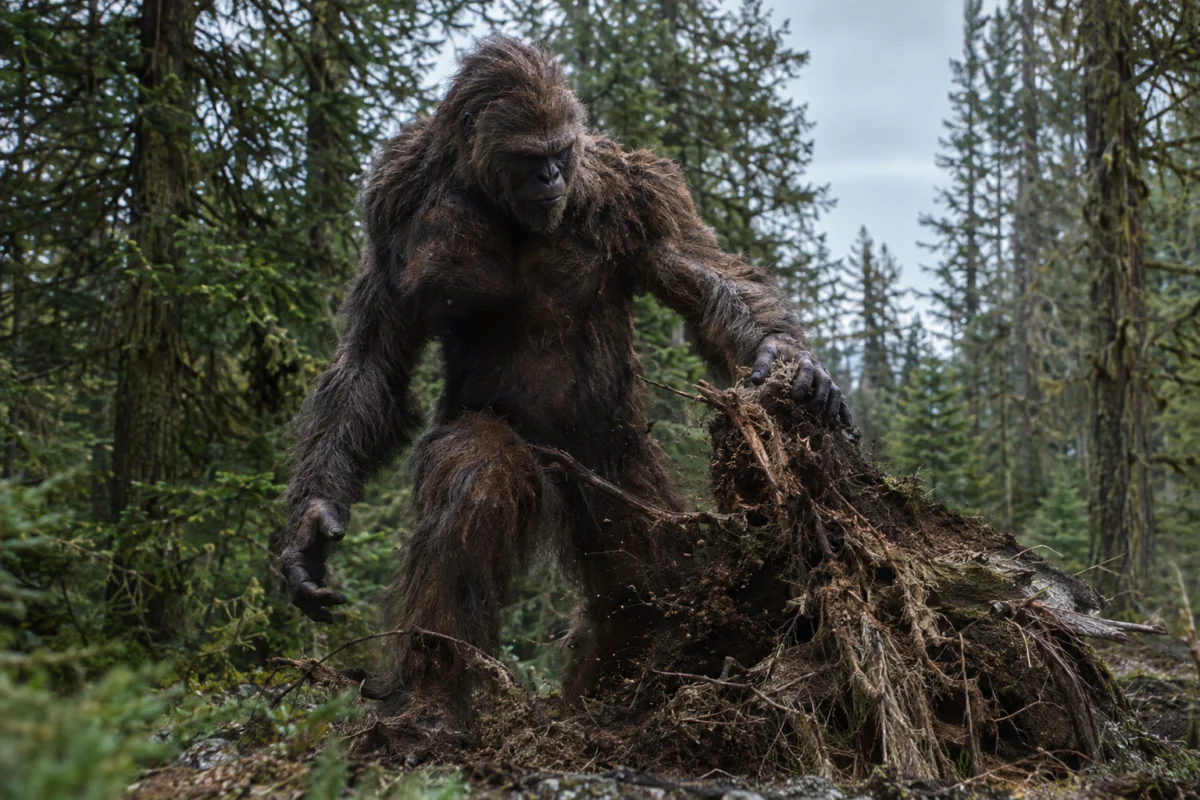
Many later Nordic tales give trolls a humanlike form, sometimes with unusual size or strength. They may inhabit forests, mountains, remote passes, or rocky places, where their threatening presence reinforces the distance between settled communities and dangerous wilderness.
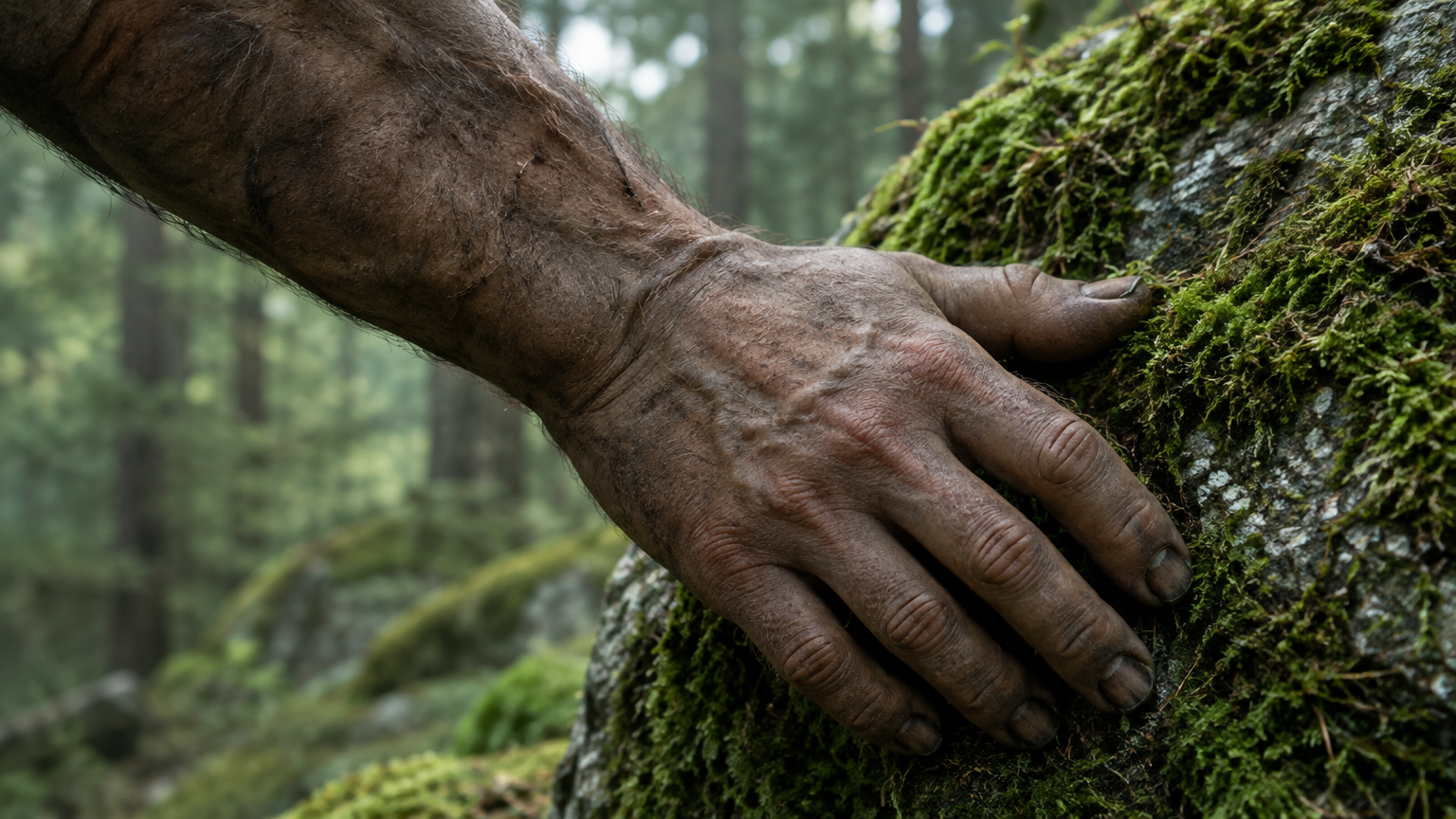
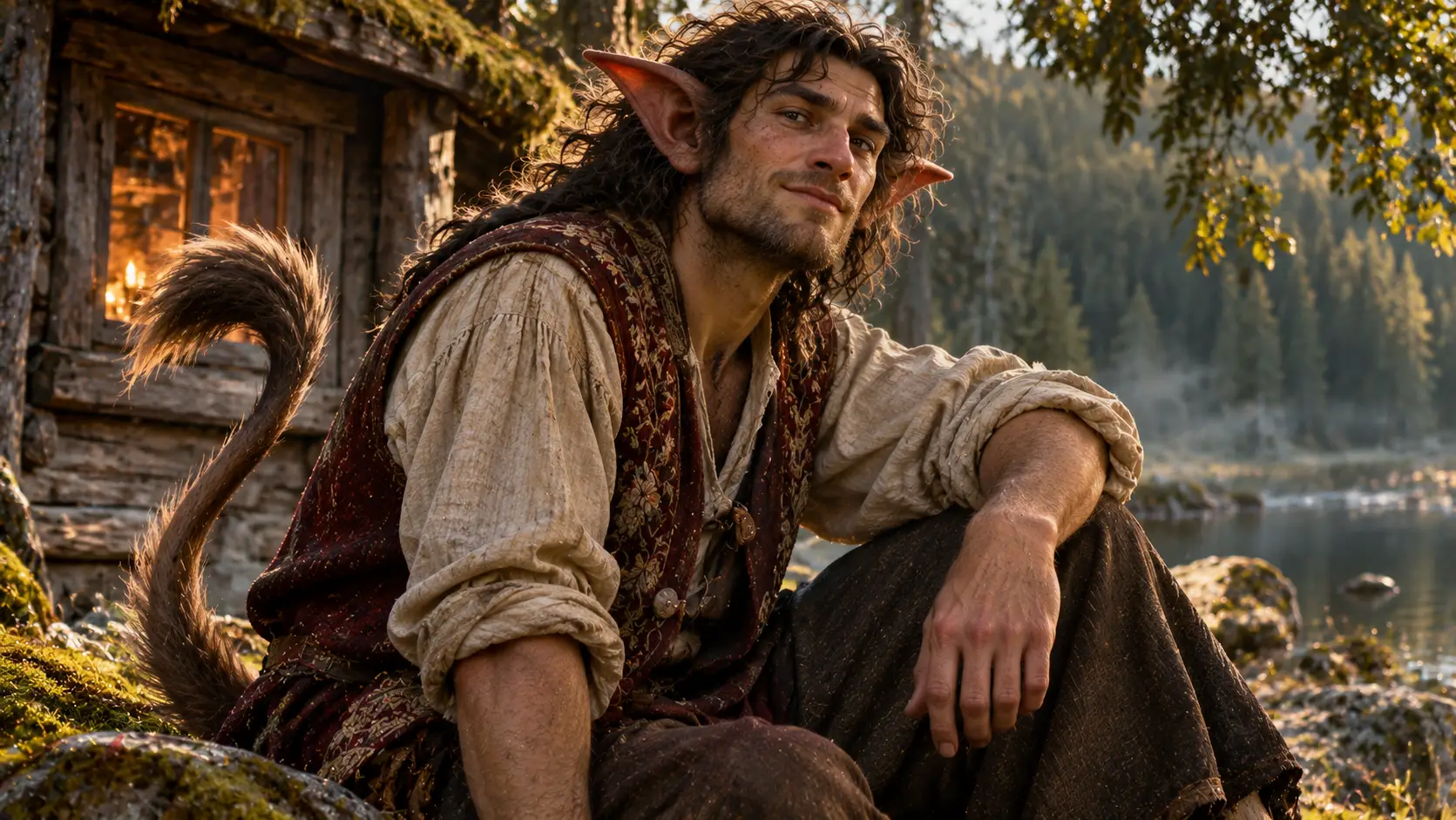
In Swedish folk belief, however, trolls could resemble ordinary people rather than obvious monsters. Some appeared beautiful or finely dressed, with a tail or unusual ears revealing their supernatural identity. These accounts make outward familiarity as important as physical strangeness: a troll need not be enormous or grotesque to stand apart from humanity.
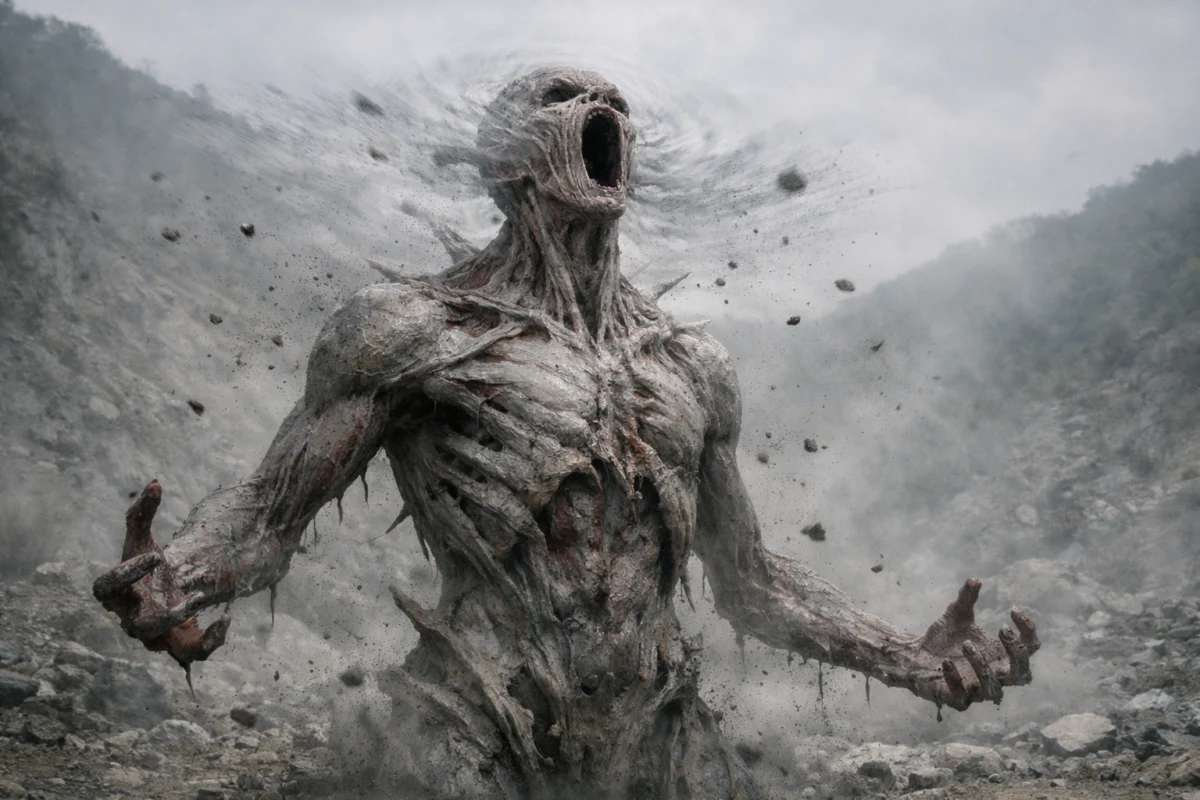
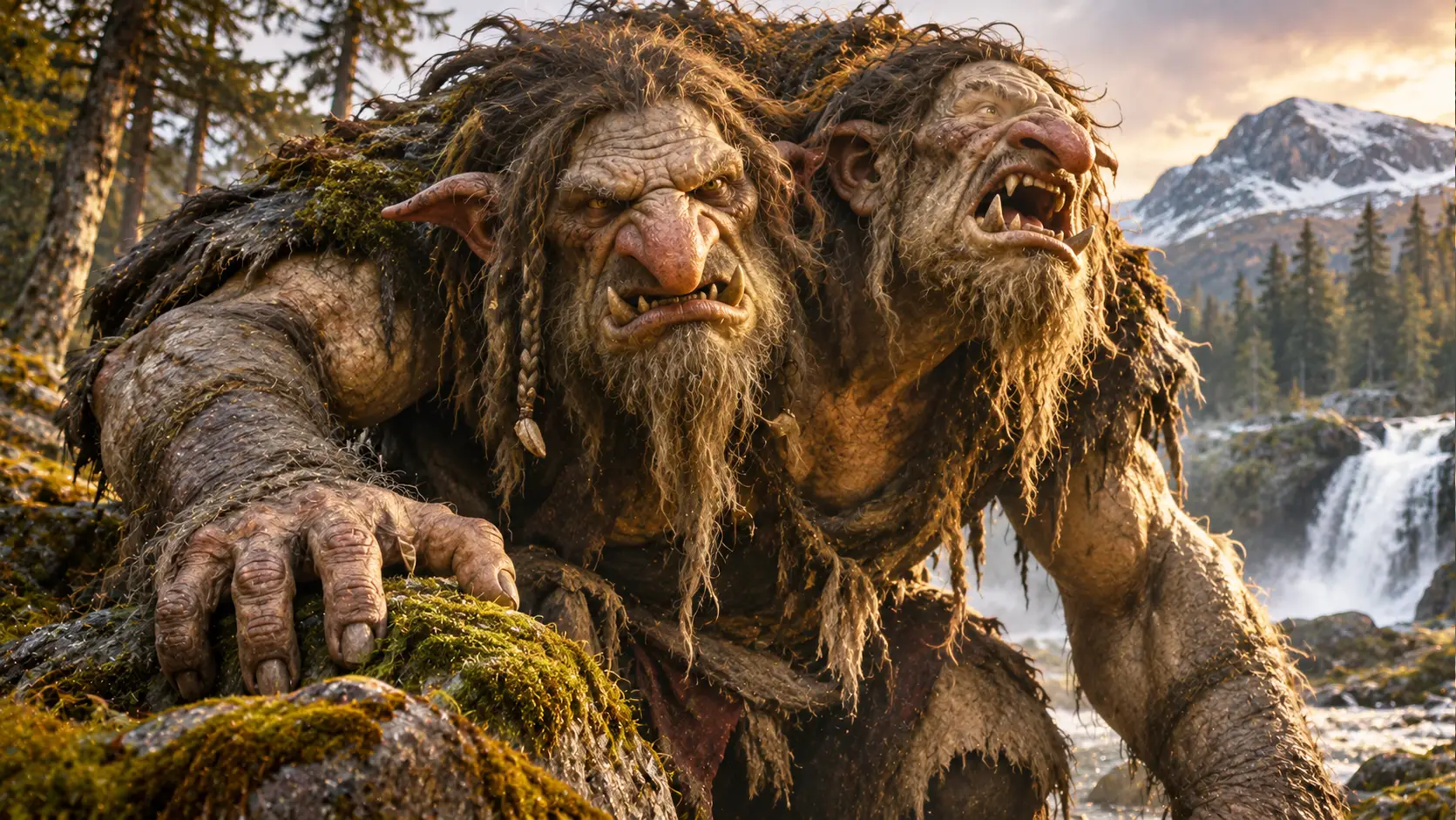
Nineteenth-century collecting and illustration helped popularize a more recognizable monster image. Large, ugly, and fantastic bodies became increasingly familiar, while particular tales and representations included multiple heads or other exaggerated features. Such details belong to individual narratives and artistic conventions, not to every regional account.
Stone is another important visual element, but it arises through narrative transformation rather than anatomy. In one Icelandic legend, a troll-woman caught by the first rays of dawn becomes stone. Petrification belongs to that local tale and is not a universal sunlight vulnerability.
Later troll appearances therefore range from almost indistinguishable human neighbors to towering, distorted wilderness beings. Forest, mountain, and rock settings remain important folkloric associations, but neither those surroundings nor the familiar ogre-like body captures the full variety of medieval and later traditions.
Background Story
Troll tradition grew from a cultural vocabulary for beings and conditions lying outside ordinary human order. Remote landscapes, supernatural power, dangerous encounters, magic, and death could all contribute to the classification. The category remained useful precisely because its boundaries were loose.
In the medieval Bragi encounter, a troll-woman challenges the traveler, who answers her in verse.In medieval Icelandic literature, the word often operates through context. A figure becomes troll-like through uncanny conduct, hostile magic, wilderness association, or a troubling relationship with death. This helps explain why entities with very different bodies and narrative roles could share the designation.
The Bragi encounter illustrates that early ambiguity. A traveler enters a forest late in the evening, meets a troll-woman, and answers her challenge through verse. The narrative establishes an unsettling meeting at the edge of normal society without explaining her origins or physical nature.
Later legends developed more concrete dangers and weaknesses. In an Icelandic account printed in Jón Árnason’s 1862 collection, two riders meet a troll-woman on a mountain pass. Ólafur directs her attention eastward as dawn approaches, and the first light turns her to stone.
This episode joins clever human survival to the landscape. The rider succeeds through deception rather than force, while petrification converts supernatural danger into a permanent natural feature. Yet the outcome belongs to this recorded regional version and cannot define every troll narrative.
By the nineteenth century, collectors and artists increasingly organized diverse materials into recognizable folklore figures. Their work did not invent trolls, but it selected, elaborated, and visualized certain forms. The resulting ogre-like inhabitant of mountains and forests became more stable than its medieval predecessors.
Famous Folklore Stories
Troll traditions survive in medieval literature, collected legends, and orally transmitted folktales rather than through one authoritative narrative cycle. The following headings are descriptive labels for documented episodes, not authenticated traditional titles. Their differences show how widely the category could vary across time and region.
Bragi and the Troll-Woman
In an episode preserved in the Prose Edda, Bragi travels through a forest late in the evening when a troll-woman challenges him. She asks who is passing, and the encounter develops into an exchange of verses through which both figures identify themselves.
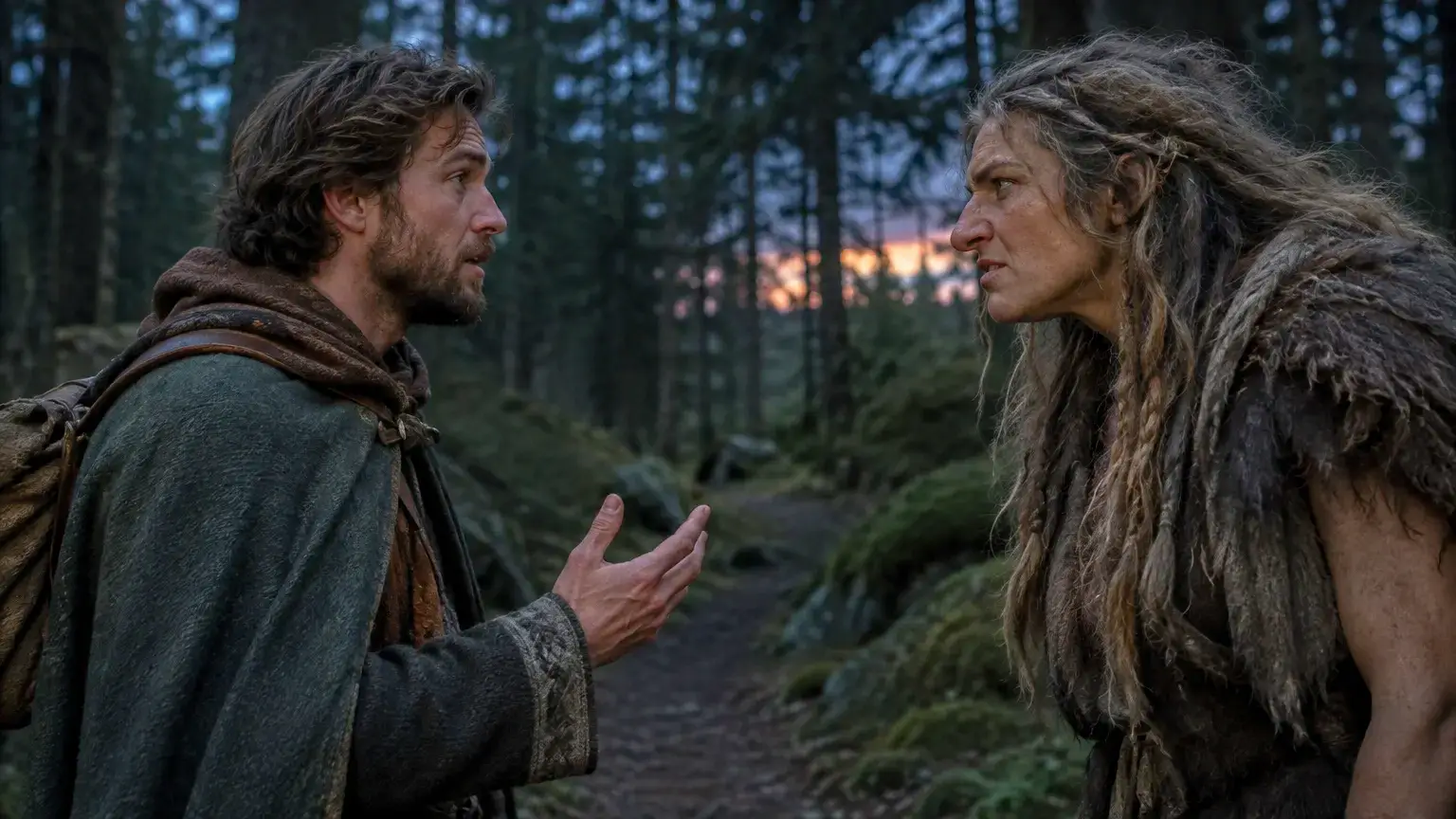
The scene offers no physical description of the troll-woman and does not present her as a lumbering ogre. Her identity emerges through setting, speech, and poetic confrontation. As a medieval literary witness, the episode demonstrates how little a troll required a standardized body or behavior.
The Troll-Woman Turned to Stone
An Icelandic legend printed by Jón Árnason in 1862 follows two riders crossing the mountain pass of Kerlingarskarð. A troll-woman addresses Ólafur in verse, but he distracts her by claiming that a man on a white horse is approaching from the east.
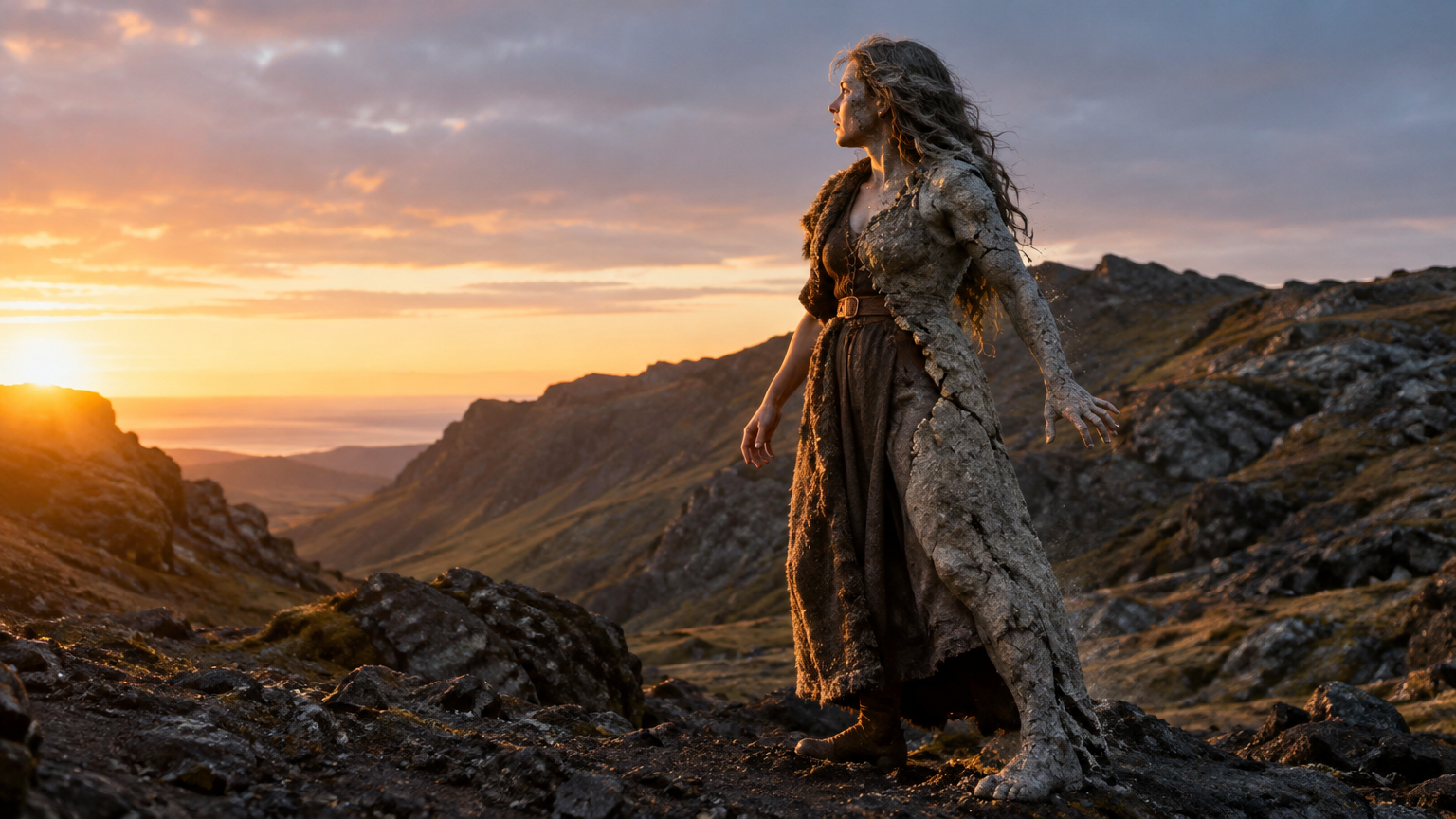
When she turns eastward, the first light of dawn appears and transforms her into stone. This ending supports sunrise petrification in a specific Icelandic tradition, not as a universal troll weakness. It also combines verbal cleverness, dangerous travel, and a landscape feature within one compact encounter.
The Giant Pair and the Faroe Islands
A related Faroese legend tells how Iceland sent a giant and his wife to move the Faroe Islands. The woman attempted to fasten a rope around an island, splitting away part of its outer head, but the couple remained unable to complete their task.
Sunrise caught them before they could depart, turning both into sea rocks identified with the pair. The figures are giants rather than explicitly named trolls in this account. Its importance lies in the shared Nordic pattern of supernatural beings becoming stone and explaining conspicuous formations.
Cultural Impact
Troll narratives preserved knowledge about particular mountains, rocks, forests, and travel routes. Place-linked legends could present extraordinary terrain as evidence of an earlier supernatural encounter, while folktales circulated more freely as entertainment. Folklore archives preserve both forms without treating them as one fixed mythology.
Nineteenth-century Norwegian collecting gave troll stories a wider print audience. The work of Peter Christen Asbjørnsen and Jørgen Moe documented tales already in circulation, while later illustrators increasingly represented trolls as enormous, ugly, and fantastic. Those images became influential without defining every earlier tradition.
Archived Swedish-language material from Finland records a broader social world than the modern monster stereotype suggests. Trolls might inhabit forests, hills, rocks, or underground places, maintain households and livestock, abduct people, quarrel with neighbors, or occasionally assist humans under particular circumstances.
Henrik Ibsen used troll society for satire and moral contrast in Peer Gynt. Peer enters the Dovre troll kingdom, is offered the ruler’s daughter, and is pressured to accept troll customs and reject the daylight world. His refusal turns the encounter toward danger.
Stage and ballet adaptations have retained this troll kingdom as a major theatrical setting. The beings therefore function not merely as monsters, but as representatives of enclosed identity, temptation, self-deception, and resistance to the human world. These literary meanings belong to adaptation rather than universal folk belief.
Similar Beasts
Jötunn
Jötnar are powerful beings of Norse mythology, frequently connected with wilderness, conflict, ancient ancestry, and forces standing beyond the ordered communities of gods and humans.
Medieval usage sometimes overlaps jötunn with troll, especially around threatening wilderness figures, but the words remain distinct and cannot always be exchanged safely.
Draugr
A draugr is a Norse revenant whose dead body remains active, guarding property, attacking intruders, or haunting places connected with burial, grievance, and unresolved conflict.
Some medieval beings called trolls also resemble revenants, creating limited overlap, but draugar possess a more specifically undead identity and separate narrative history.
Ogre
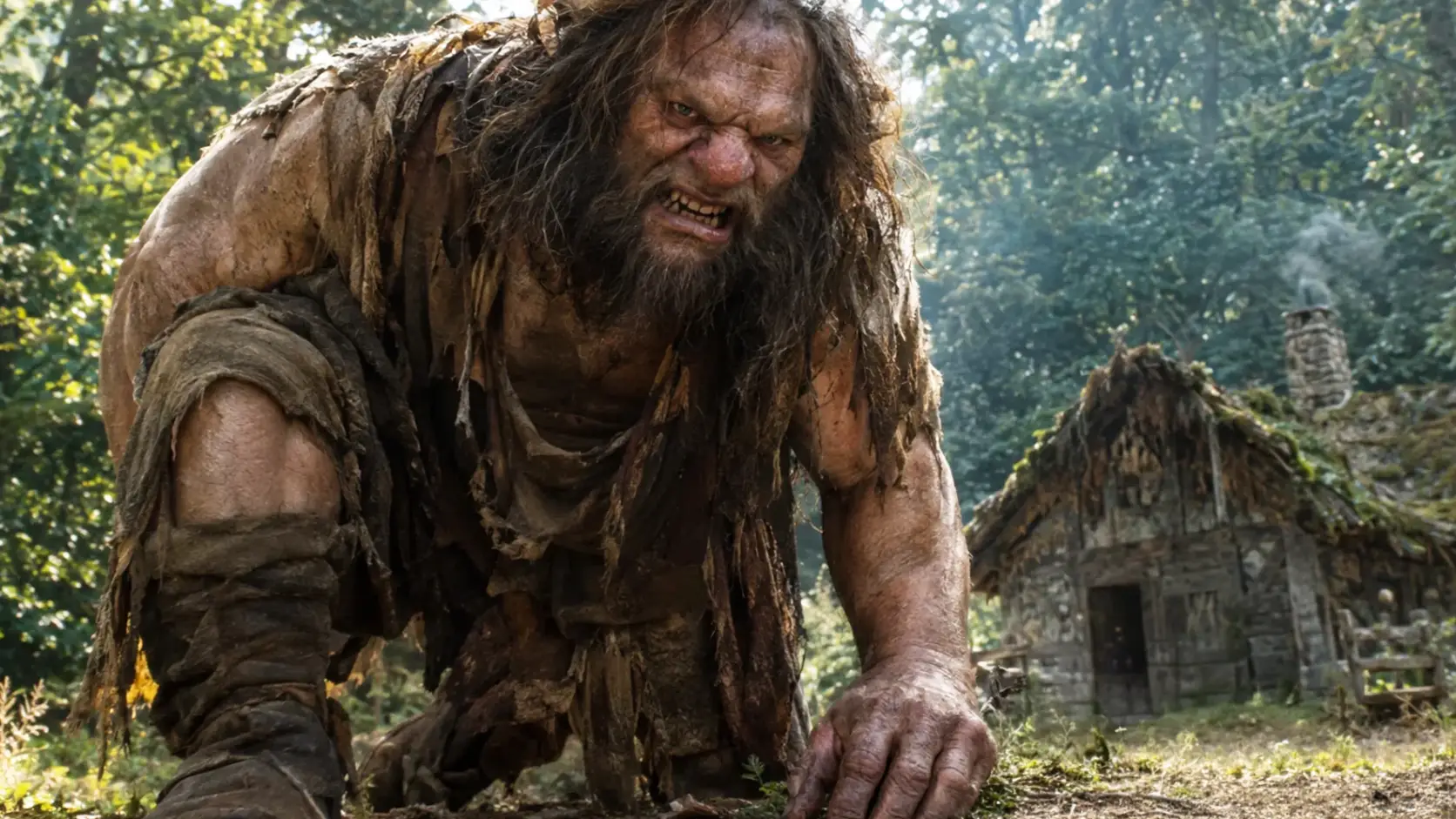
The Ogre is a large, frightening, often human-eating humanoid best known from French-language folktales and later European literature, where physical strength commonly accompanies brutality.
Its familiar size and ugliness resemble later illustrated trolls, although ogres belong to a different tradition and lack the troll category’s medieval breadth.
Religion/Ritual
The surviving evidence does not establish a unified troll cult, priesthood, or ritual system across the Nordic world. Medieval references sometimes connect the word with magic or sorcery, but these associations concern particular figures and accusations rather than organized worship directed toward a supernatural species.
One collected Icelandic legend describes an ogress occupying a canyon near a community. The church was moved closer to the place, and its bells were rung at Christmas. The ogress then fled, making Christian sacred sound the means of driving a threatening being from the local landscape.
Church relocation, Christmas observance, and bell-ringing give this episode its particular religious setting. The story dramatizes Christian authority extending into dangerous space, but it does not establish a universal bell ritual against trolls.
In Swedish folk belief, making the sign of the cross, using steel, or employing sharp implements could provide protection against trolls. Swedish traditions also portrayed trolls as afraid of thunder and told of Thor pursuing them. These beliefs belong to the regional repertoire of protections and supernatural threats, not to a single ceremony practiced throughout the Nordic world.
Other collected traditions likewise portray trolls as hostile toward Christianity or uncomfortable near churches and sacred sounds. Together, these narratives show how Christian symbols and older supernatural motifs shaped encounters with trolls, while preserving differences between local stories and protective customs.
Scientific or Rational Explanations
No zoological or archaeological evidence establishes trolls as biological creatures. The surviving record consists of literature, oral tradition, collected testimony, place legends, and visual representation. These sources are valuable for cultural history, but they do not function as physical documentation of an unknown humanoid species.
Troll legends and related Nordic giant stories often account for conspicuous landscape features. A humanlike rock, an isolated sea stack, or a fractured headland becomes connected with a supernatural being caught by sunrise or frustrated while attempting an immense task. The Icelandic troll-woman petrified at dawn is one documented example.
This narrative function is called etiological: a story accounts for why a place looks as it does. Such legends connect terrain, danger, and local identity without requiring an encounter with an unknown animal. Their connection to visible landmarks does not, by itself, establish how the stories originated.
Darkness, severe weather, uncertain distances, and ambiguous shapes are possible factors in how travelers might have interpreted remote forests, mountain passes, caves, and rocky coastlines. Ordinary formations or sounds might seem uncanny under such conditions. This remains a possible interpretation, however, not a demonstrated origin of troll traditions or an established cause of particular recorded encounters.
The breadth of the medieval word helps account for apparently contradictory descriptions. A troll could be an uncanny wilderness figure, a person associated with magic, a revenant, or a magically altered animal without belonging to one biological species. Combining these references into a single anatomy imposes consistency that the earlier evidence lacks.
Oral transmission also allowed variation as narrators adapted plots and communities maintained legends about recognizable places. Nineteenth-century collectors preserved particular versions at particular moments, not complete transcripts of an unchanged ancient belief system.
Finally, Christian stories about bells, churches, and fleeing ogresses can be read as narratives of religious and social change. In this interpretation, sacred sound and communal institutions symbolically bring threatening landscapes under human authority. That reading concerns the stories’ cultural function rather than establishing their events as historically literal.
The Evolution of the Modern Troll
The twentieth century marked a fundamental transformation in the cultural identity of the troll. Although its origins lie in Nordic mythology and Scandinavian folklore, much of its internationally recognizable appearance, personality, and supernatural abilities developed through modern illustration, fantasy literature, and role-playing games.
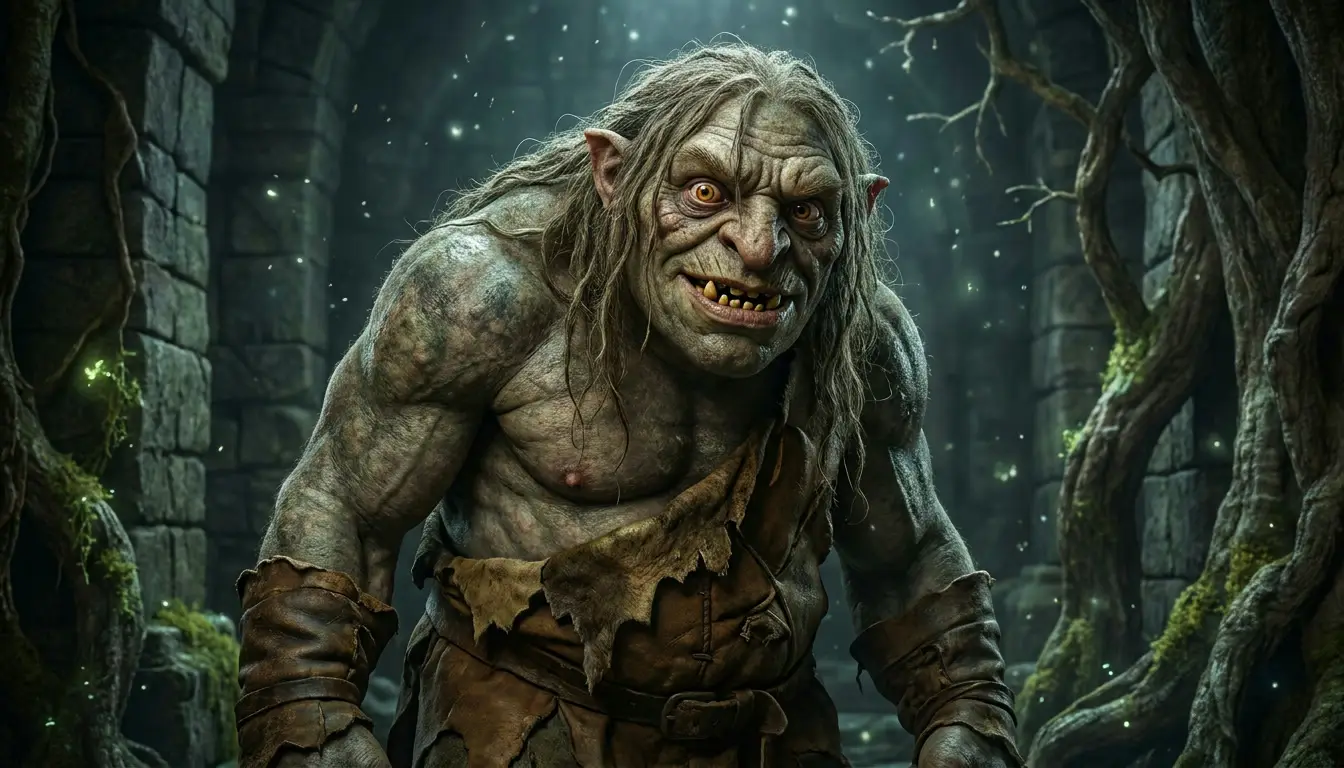
Traditional trolls were not a uniform species. They could be gigantic or human-sized, intelligent or foolish, monstrous or deceptively human. Twentieth-century creators selected particular characteristics from these traditions, introduced new attributes, and established several distinct interpretations that continue to influence popular culture.
John Bauer and the Visual Identity of Trolls (1907-1915)
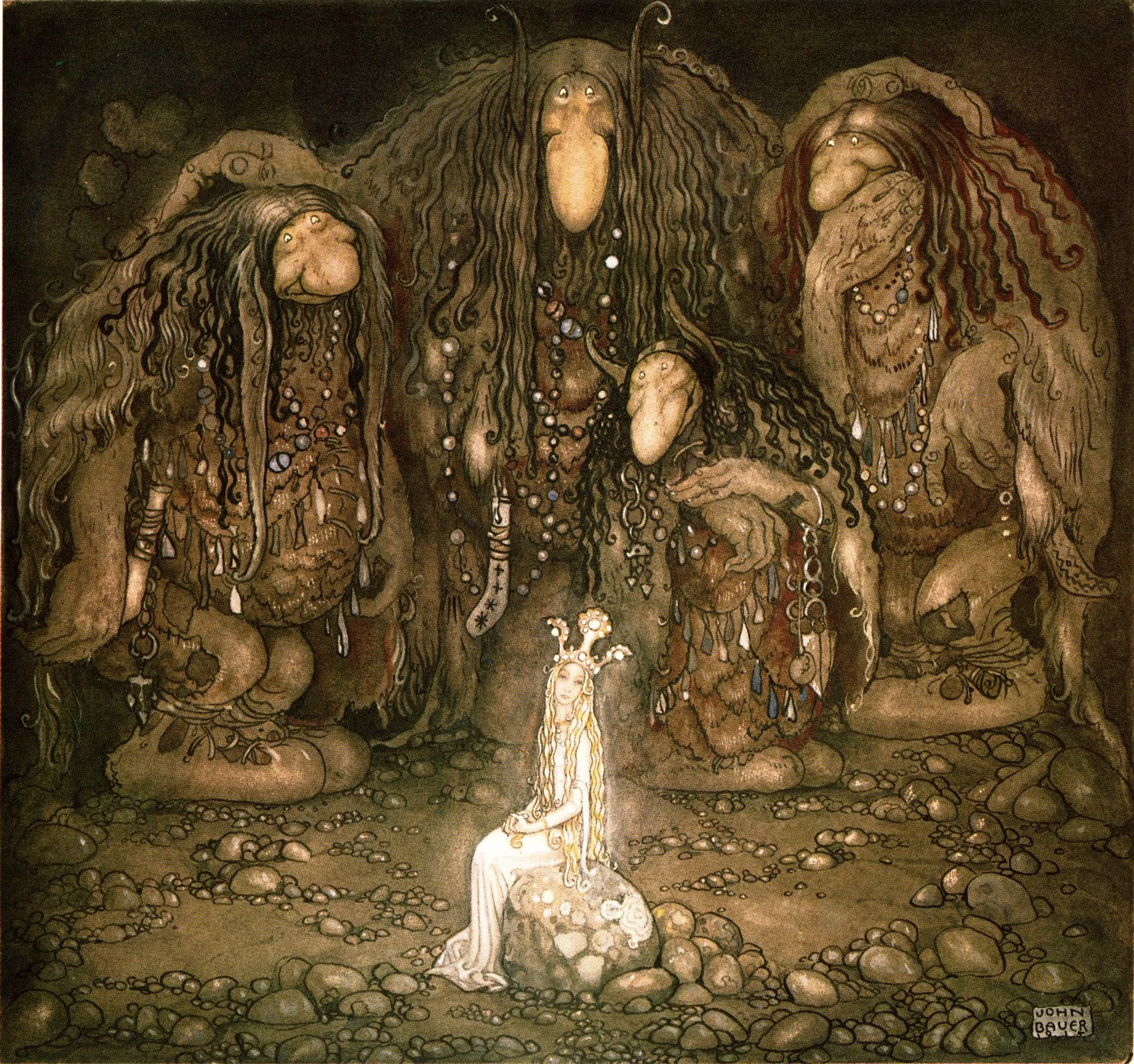
Swedish illustrator John Bauer helped establish one of the most recognizable visual interpretations of Scandinavian trolls through his illustrations for Among Gnomes and Trolls (Bland tomtar och troll).
His trolls frequently featured enormous noses, exaggerated facial characteristics, bulky bodies, and earthy appearances that blended naturally with their woodland surroundings. Although sometimes frightening, they could also appear curious, sympathetic, or surprisingly human.
Bauer’s illustrations helped give the traditional troll a recognizable visual identity without entirely abandoning the complexity of Scandinavian folklore. His work remains an important example of the transition from oral tradition to modern fantasy illustration.
J.R.R. Tolkien and the Trolls of Middle-earth (1937-1955)
J.R.R. Tolkien played a central role in establishing trolls as recurring inhabitants of modern fantasy worlds.
In The Hobbit (1937), Bilbo Baggins and his companions encounter three trolls named William, Bert, and Tom. These enormous, argumentative creatures intend to eat their captives but are tricked by Gandalf into remaining outdoors until sunrise turns them into stone.
Tolkien retained familiar folkloric elements, including cannibalism, enormous size, vulnerability to daylight, and the ability of clever protagonists to outwit physically superior opponents.
In The Lord of the Rings (1954–1955), trolls became more diverse and militarized. Tolkien introduced different varieties, including cave-trolls and the formidable Olog-hai, which could withstand sunlight while sustained by Sauron’s will.
This development helped establish the troll as a distinct category of fantasy creature with recognizable physical characteristics, different varieties, and defined supernatural limitations.
Tove Jansson and the Friendly Troll (1945-1970)
Finnish author and illustrator Tove Jansson developed an entirely different interpretation through her Moomin stories, beginning with The Moomins and the Great Flood in 1945.
Rather than portraying trolls as dangerous monsters, Jansson created gentle, rounded, emotionally complex characters living within a community of family and friends.
Moomintroll became an internationally recognized literary character, particularly following the introduction of the Moomin comic strip in London’s Evening News in 1954.
The Moomins demonstrated that the troll could become an approachable and sympathetic character without losing its connection to the imaginative world of Nordic folklore.
Poul Anderson and the Regenerating Troll (1953-1961)
American fantasy author Poul Anderson introduced another influential interpretation in Three Hearts and Three Lions, originally serialized in 1953 and expanded into a novel in 1961.
Anderson’s troll possesses an extraordinary ability to regenerate damaged body parts. Even severed limbs remain dangerously active, making conventional physical attacks insufficient to defeat it. Fire ultimately provides the means of overcoming its regenerative capabilities.
This interpretation represents a significant development in modern troll mythology. Rather than relying principally on enormous strength or vulnerability to sunlight, Anderson’s creature presents the threat of seemingly unstoppable physical regeneration.
His portrayal became a direct inspiration for the trolls later introduced into Dungeons & Dragons.
Dungeons & Dragons and the Standardization of the Troll (1974-1990s)
The tabletop role-playing game Dungeons & Dragons, first published in 1974, transformed the troll into a systematically defined fantasy monster.
Drawing particularly upon Poul Anderson’s interpretation, the game established trolls as dangerous humanoid creatures capable of rapidly regenerating injuries. Their lanky bodies, elongated limbs, powerful claws, and resistance to conventional attacks distinguished them from other giant-like monsters.
Regeneration became their defining gameplay mechanic, while fire and, in various editions, acid provided effective countermeasures.
The 1977 Monster Manual further established the troll within a structured bestiary. Subsequent publications expanded the concept through additional troll varieties, each possessing different characteristics and abilities.
Through Dungeons & Dragons, the troll became more than a literary antagonist. It became a recognizable fantasy monster with established combat abilities, physical characteristics, weaknesses, and subtypes.
Warcraft and the Troll as a Civilization (1995)
The release of Warcraft II: Tides of Darkness in 1995 introduced another influential transformation.
Its forest trolls appeared as axe-throwing warriors allied with the Orcish Horde. Rather than functioning exclusively as solitary monsters encountered by adventurers, they participated in organized military forces within a larger fantasy world.
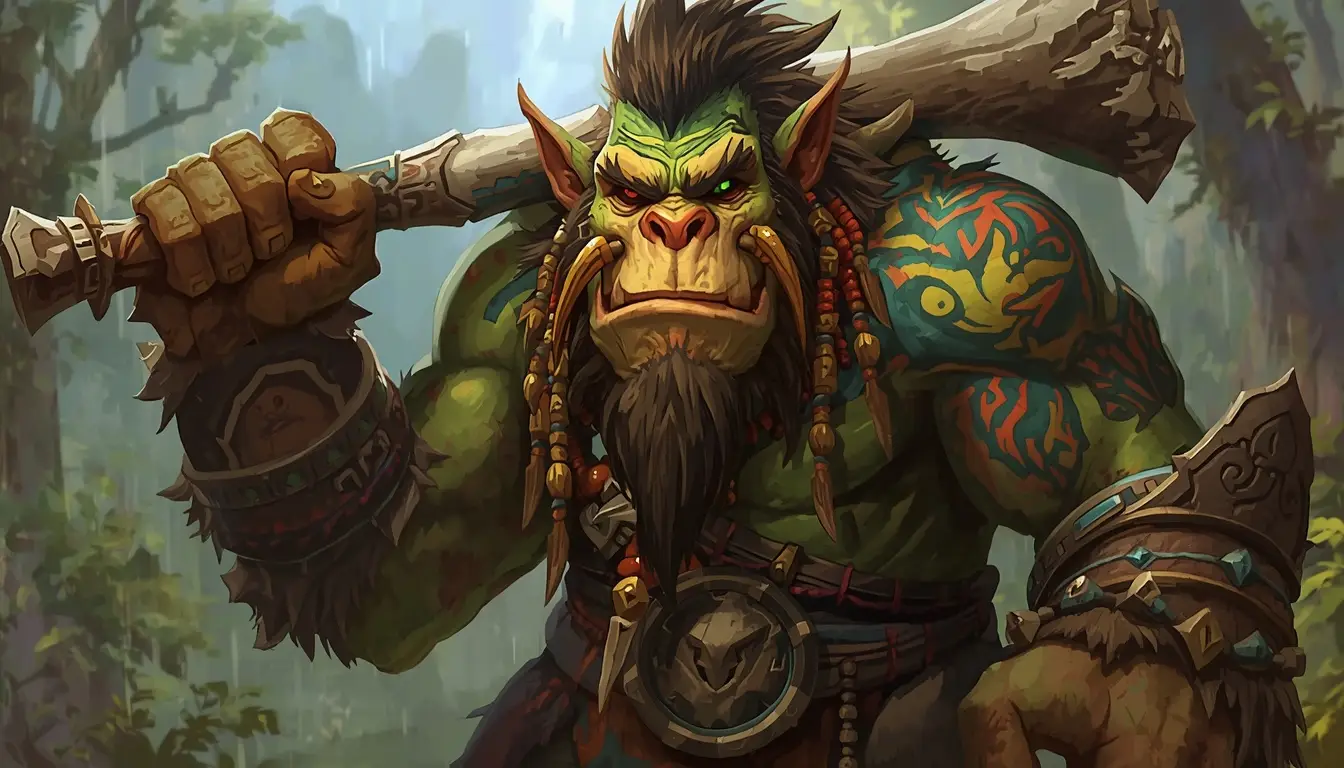
The Warcraft franchise subsequently expanded this interpretation into distinct troll societies, tribes, religious traditions, and political histories.
This development helped establish an alternative fantasy archetype in which trolls could exist as organized peoples possessing their own cultures and identities.
Harry Potter and the Return of the Brutish Troll (1997)
J.K. Rowling introduced trolls to another generation of readers through Harry Potter and the Philosopher’s Stone (1997).
The mountain troll encountered at Hogwarts is enormous, physically powerful, and exceptionally unintelligent. Its confrontation with Harry, Ron, and Hermione follows the familiar narrative pattern in which smaller protagonists overcome a much stronger creature through ingenuity.
Rowling’s interpretation reinforced the recognizable image of the troll as a brutish giant while introducing it to the expanding audience of modern children’s fantasy literature.
From Folklore to Fantasy Archetype
By the end of the twentieth century, the troll had developed into several recognizable cultural archetypes: the stone-turning giant of Tolkien, the regenerating monster of Anderson and Dungeons & Dragons, the friendly creature of Jansson’s Moomin stories, and the organized fantasy people represented by Warcraft.
These interpretations did not replace the original Scandinavian traditions, but they fundamentally changed how international audiences understood trolls.
Many characteristics now considered typical of trolls are consequently products of twentieth-century fantasy rather than universal features of their ancient mythology. The modern troll is the result of centuries of folklore combined with literary reinvention, visual imagination, and the systematic world-building of modern fantasy games.
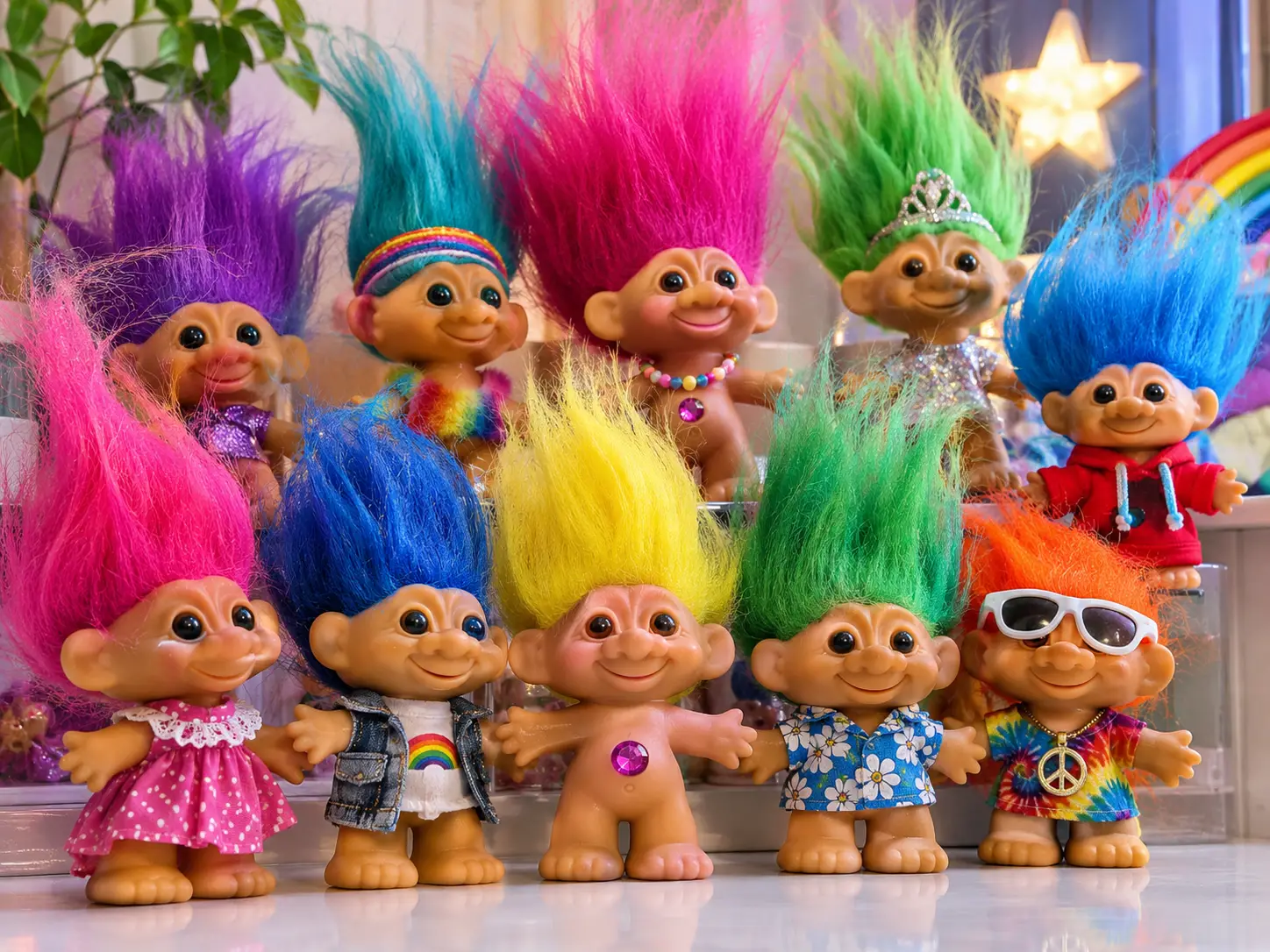
Good Luck Trolls – Troll Dolls (1959, Collectible Toys)
Created by Danish woodcarver Thomas Dam, these small, colorful-haired dolls became international toy sensations during the 1960s and 1990s, transforming Scandinavian folklore into playful collectibles and inspiring DreamWorks’ Trolls franchise.
Source: The Strong National Museum of Play
Troll 2, film (2025)
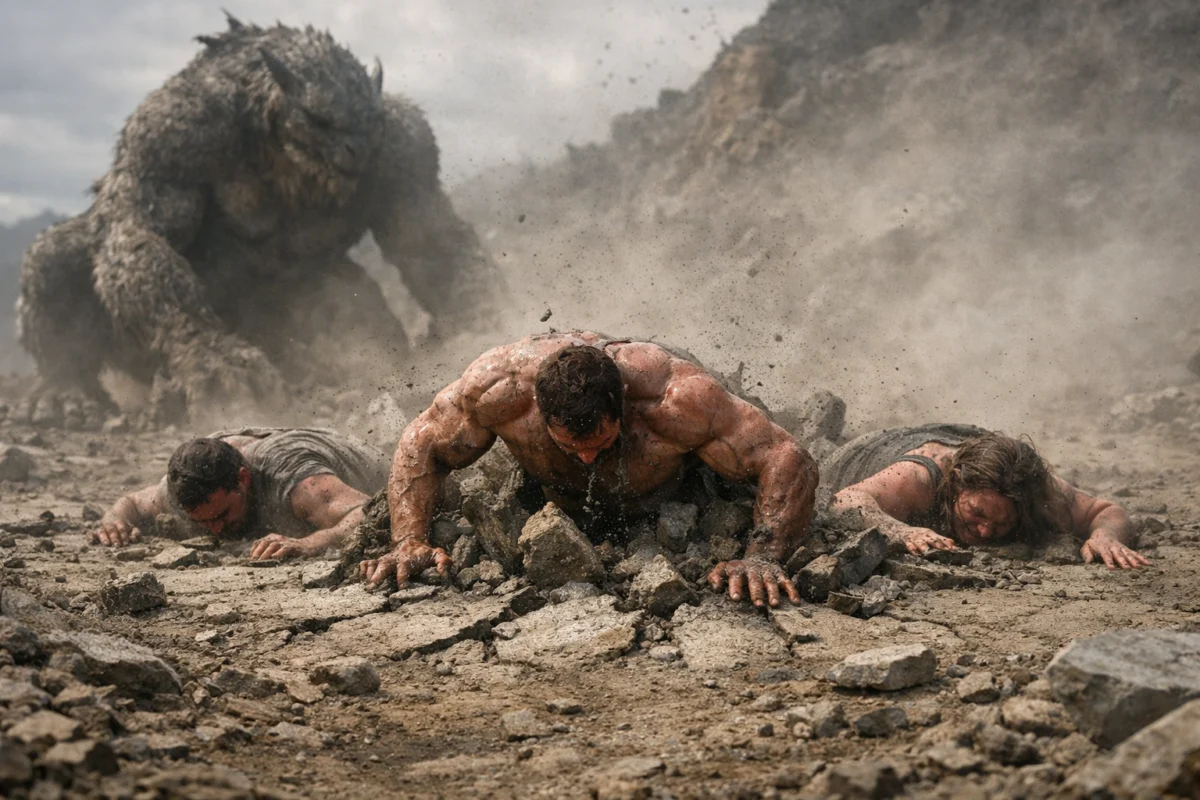
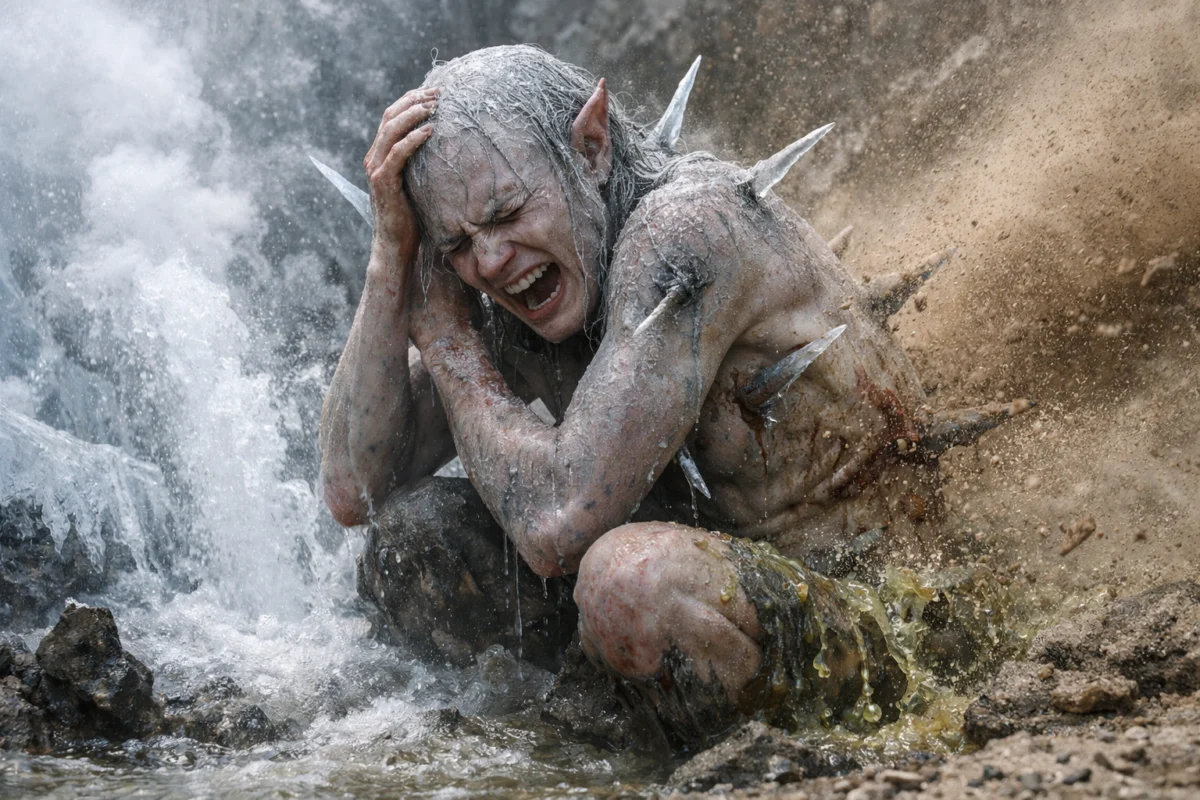
Roar Uthaug’s released sequel follows efforts to stop a destructive new troll. Its creature connects modern disaster cinema with Norway’s landscape-centered troll traditions.
(about.netflix.com)
Hilda and the Troll, comic (2015)
Luke Pearson’s graphic story follows Hilda as she encounters and sketches a mountain troll. The creature belongs to the magical wilderness surrounding her home.
(penguinrandomhouse.com)
Troll: A Love Story, novel (2000)
Johanna Sinisalo’s novel centers on Mikael sheltering a young troll named Pessi. It reimagines the Nordic being as a living wild creature within contemporary society.
(ahlbackagency.com)
Peer Gynt, ballet (1989)
John Neumeier’s ballet includes a troll-world sequence in which Peer encounters the Green One. The adaptation translates Ibsen’s troll kingdom into modern dance theater.
(johnneumeier.org)
Peer Gynt, ballet (2016)
Edward Clug’s ballet sends Peer into a troll kingdom where its chief offers him a daughter. The production preserves trolls as an unsettling alternative society.
(opera.lv)
Conclusion
The troll is best understood not as one unchanging monster but as a flexible Nordic supernatural category. Medieval Icelandic texts apply the term across beings connected with wilderness, magic, death, and otherness, without establishing a standard anatomy. Regional folklore later supplied more recognizable patterns, including mountain or forest dwellers, great strength, dangerous encounters, and, in certain narratives, petrification at dawn. None of these later features should be treated as a universal ancient definition.
This flexibility explains the troll’s unusual durability across legend, literature, illustration, and performance. It can represent untamed landscape, hostile supernatural power, social difference, or an uncanny community existing beside humanity. Modern novels, comics, films, and ballets continue selecting different parts of that inheritance rather than reproducing a single canonical creature. The most accurate interpretation therefore preserves variation, distinguishes medieval usage from collected folklore, and recognizes the familiar ogre-like figure as one influential stage in a much broader history.
Further Reading
Horror in the Medieval North: The Troll, The Palgrave Handbook to Horror Literature, 2018
Ármann Jakobsson examines troll references in medieval Icelandic literature, including the Bragi episode. The study is especially useful for understanding why the term did not identify one fixed species.
(researchgate.net)
Scandinavian Folk Belief and Legend, University of Minnesota Press, 1988
Reimund Kvideland and Henning K. Sehmsdorf organize translated Scandinavian belief legends with details about collectors and localities. Included narratives document Icelandic and Faroese stone-transformation motifs.
(rodnovery.ru)
Trold, Ordbog over det danske Sprog, 1948
This historical Danish dictionary entry records spellings, meanings, textual examples, and related Scandinavian forms. It is important because it identifies the word’s deeper etymological origin as uncertain.
(ordnet.dk)
Folktales and Legends, University of Oslo Norwegian Folklore Archives
The archive explains its collections of Norwegian folktales and place-linked legends, including searchable records. It helps readers distinguish oral wonder tales from legends presented within communities as true accounts.
(hf.uio.no)
Swedish Trolls in the Swedish Oral Tradition in Finland, Doria and Åbo Akademi University
This specialist study draws on archived narratives collected from the 1850s through 1925. It explores troll settings, conflicts, abductions, assistance to humans, and responses to Christianity.
(doria.fi)
Troll, Swedish Institute for Language and Folklore
This official folklore account contrasts belief-tradition trolls with simplified storybook monsters. It describes humanlike domestic behavior, underground or wilderness homes, livestock keeping, and varied interactions with people.
(isof.se)
The intersection of medieval studies and Indigenous studies: A Norse-Saami case study, postmedieval / Springer Nature (2023)
A specialist scholarly corrective for a medieval-text chapter: it shows that *troll* in saga sources can refer to magical power, and cautions against assuming that the label establishes Saami identity. It discusses Geirríðr in *Eyrbyggja saga* and Hrafnhildr in *Ketils saga hœngs*.
(link.springer.com)
Peer Gynt, Act II, Scene 6 (original play text in English translation), Logos Virtual Library (1867)
Primary-text evidence for a named troll character and plot event: the Old Man of the Dovre-Trolls negotiates with Peer over marriage to his daughter, demands that Peer accept troll customs and avoid the daylight world, and explains the trolls’ motto. This enriches an early literary reception chapter; the scene’s action comes from Ibsen’s play text, not an illustration.
(logoslibrary.org)
Trolls: An Unnatural History – John Lindow (2014)
Academic examination of the troll’s historical and cultural transformation, tracing its development from Nordic mythology through folklore, children’s literature, modern fantasy, and contemporary commercial culture.
Source: University of Chicago Press
Study of a Troll — John Bauer, Nationalmuseum
Museum collection documenting Bauer’s influential troll illustrations for Among Gnomes and Trolls, providing historical context for the development of recognizable Scandinavian fantasy imagery.
Source: Nationalmuseum
The Hobbit – J.R.R. Tolkien, Publisher’s Teaching Guide
The publisher’s chapter-by-chapter guide documents Bilbo’s encounter with the three trolls and Gandalf’s successful deception, which leaves the creatures exposed to the approaching sunrise.
Source: Penguin Random House
Trolls – The Encyclopedia of Arda
A specialist Tolkien reference documenting the different troll varieties within Middle-earth, including their geographical distribution, physical characteristics, sunlight vulnerability, and the exceptional abilities of the Olog-hai.
Source: The Encyclopedia of Arda
The Moomins Take on the World – Tove Jansson
The author’s official biographical resource traces the creation and international development of the Moomin characters, beginning with their first published literary appearance in 1945.
Source: Tove Jansson
How to Play a Troll Like a Relentless Survivor – Dungeons & Dragons (2019)
An official Dungeons & Dragons publication explicitly identifies Poul Anderson’s Three Hearts and Three Lions as the literary inspiration for the game’s regenerative troll.
Source: D&D Beyond
New Trolls in Mordenkainen’s Tome of Foes – Dungeons & Dragons (2018)
Official commentary by game designer Jeremy Crawford discusses the historical development of Dungeons & Dragons trolls, their literary inspiration, regenerative abilities, and numerous subsequent variations.
Source: D&D Beyond
Warcraft II: Troll Axe Throwers – Blizzard Entertainment
Blizzard’s original strategy documentation describes troll military units within the Orcish Horde, illustrating the transformation of trolls into organized participants in fantasy warfare.
Source: Blizzard Entertainment
Guide to Trolls – Harry Potter Official Website
The official franchise reference examines Rowling’s portrayal of trolls, their physical characteristics, limited intelligence, different varieties, and relationship to earlier mythological and folkloric traditions.
Source: Harry Potter