Introduction
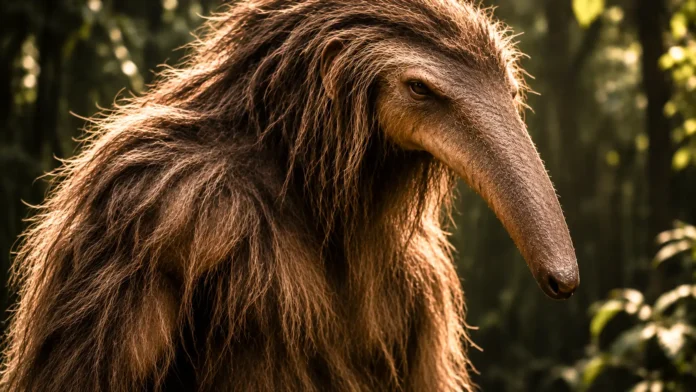
Capelobo, also called Cupelobo or Cupélobo, is a dangerous forest monster in Brazilian folklore, associated especially with Maranhão and Pará. Its best-documented early appearance combines a hairy human-shaped body with the head of a giant anteater and strangely rounded feet or tracks.
A detailed account published in 1931 places the creature in the Pindaré region of Maranhão. There, a Timbira hunter reportedly heard its formidable cries, concealed himself among palms, and escaped detection as it approached and continued through the woods.
This human-bodied, anteater-headed form provides a clear starting point, but it is not the only recorded version. Later folklore scholarship preserves an animal-like creature with tapir feet and dog ears, alongside a separate belief connecting Capelobo with transformation in extreme old age.
These differences are central to understanding the figure. Capelobo belongs to a regional body of monster traditions rather than a single standardized mythology. Its stories bring together dangerous encounters in the forest, unfamiliar combinations of animal anatomy, and uncertainty about the boundary between human and beast.
History/Origin
The earliest detailed encounter considered here appeared in S. Fróes Abreu’s Na Terra das Palmeiras, published in 1931. It locates Cupélobo belief in the forests of Maranhão, particularly around the Pindaré, and preserves testimony about a hunter’s frightening experience.
The narrative reached print through an informant rather than through Abreu’s own encounter. That distinction establishes its value as recorded folklore: it documents a story circulating about the creature, not an independently observed animal or proof of the events described.
The hunter is identified as Timbira and is searching for game when the encounter begins. This gives the account a specific human and geographical setting, although it does not establish when the tradition began or demonstrate that all Timbira communities shared it.
Luís da Câmara Cascudo’s Geografia dos Mitos Brasileiros, published in 1947, subsequently placed Capelobo within a broader treatment of Brazilian mythic beings. His synthesis compared it with the werewolf while preserving versions that differ substantially from the earlier Pindaré description.
One version connects becoming Capelobo with exceptional old age among some Indigenous people. Another presents an animal-like being with mixed anatomical features. These are separate reported traditions, not successive stages of a documented life cycle, and neither establishes a universal Indigenous belief.
The Museu Nacional dos Povos Indígenas research catalog also connects Capelobo with Cascudo’s book. This institutional record helps trace the figure’s bibliographic history, but it is not another independent encounter account. The surviving documentation establishes regional circulation more securely than a single point of origin.
Name Meaning
Capelobo, Cupelobo, and Cupélobo are recorded forms of the creature’s name. The spelling Cupélobo appears in the early Pindaré account, while Capelobo is used in later folklore discussion and cataloging. These forms identify the same subject without establishing how the word originated.
The name’s etymology remains uncertain. There is no securely demonstrated translation in the evidence considered here, and the creature’s appearance cannot supply one. An anteater-like head, a forest setting, or comparison with a werewolf does not by itself explain the name’s linguistic history.
A 2020 discussion in Colecionador de Sacis examines and questions Cascudo’s proposed derivation. Its importance is the disagreement it records: an explanation repeated in folklore commentary need not amount to an established historical etymology. The alternative interpretation discussed there is likewise speculative.
The useful distinction is therefore between a documented name and an unresolved meaning. The recorded spellings can be used confidently, but assigning the word to a particular language or translating its components would require stronger linguistic evidence than these accounts provide.
Appearance
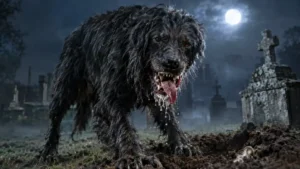
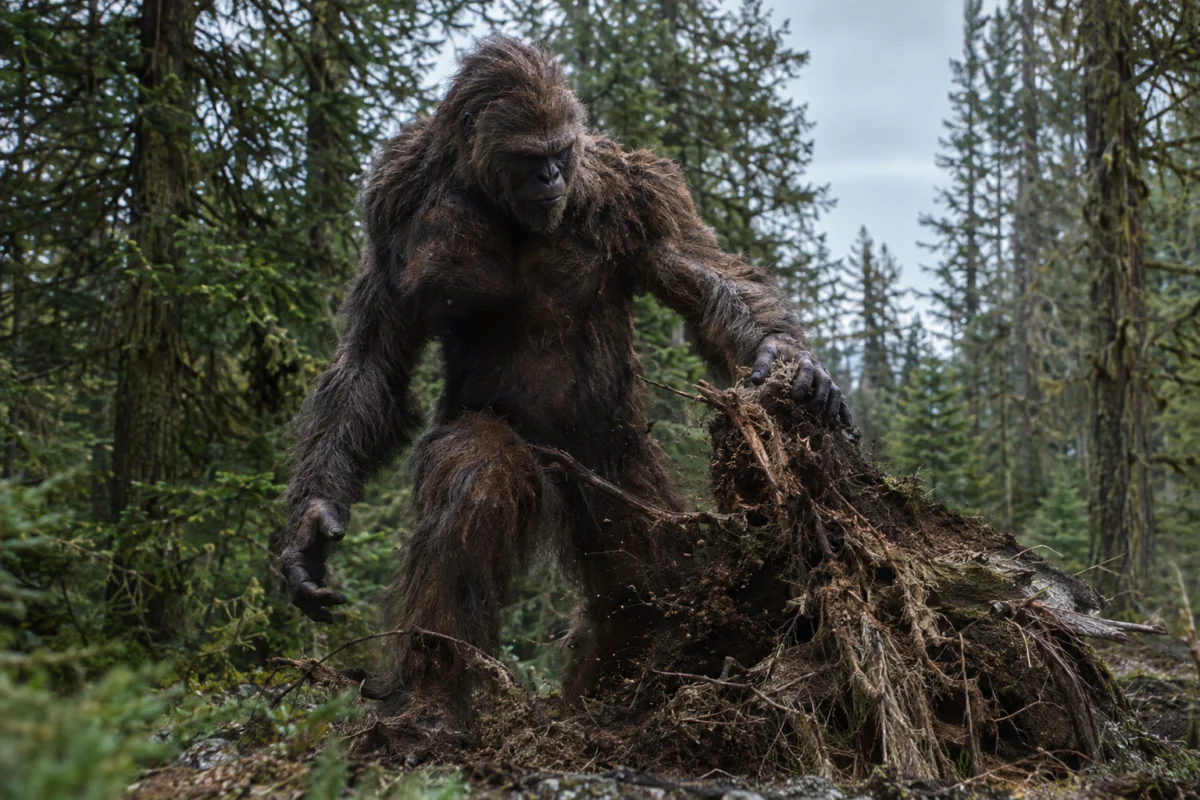
In the 1931 Pindaré description, Capelobo has the body of a man covered with long hair. Its head resembles that of a giant anteater. The combination is specifically humanoid in its body plan, rather than simply an unusually large or aggressive forest animal.
The giant-anteater comparison gives this version its most distinctive facial feature: an elongated head and snout. The associated description of attacks makes the snout important to the creature’s threatening character, although the hunter in the reported encounter never experiences such an attack.
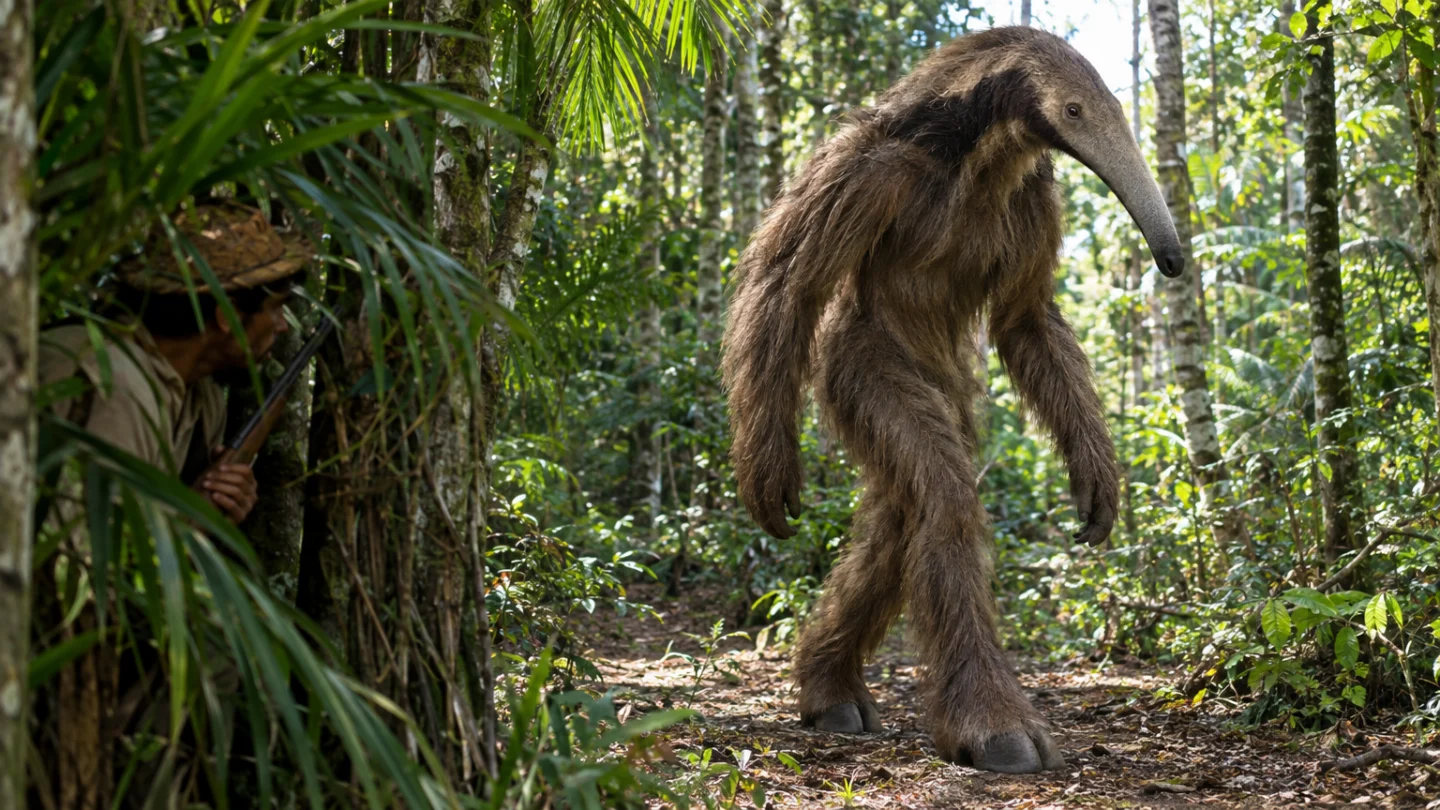
Its foot or hoof is compared with the bottom of a bottle. This supports a rounded, bottle-bottom-like feature or impression. The wording does not provide a complete anatomical explanation, so it should not be expanded into an elaborate account of joints, toes, or movement.
Cascudo’s later synthesis records a markedly different animal-like form, compared with a mixture of pachyderm and feline. That version has tapir feet and dog ears. These details belong to the alternative description, not automatically to the anteater-headed humanoid of the Pindaré narrative.
The difference is more substantial than a change in coloring or size: the accounts organize the creature’s body differently. A representative depiction can follow the detailed 1931 form, but adding dog ears and tapir anatomy would combine descriptions that the surviving accounts keep distinct.
Background Story
Capelobo’s background lies in regional encounter traditions rather than a continuous biography. The early Pindaré account begins with an ordinary activity, hunting, and introduces danger through cries heard in the forest. The creature enters an already inhabited and familiar working landscape.
Sound shapes the encounter before the monster’s appearance becomes important. As the cries grow nearer, the hunter seeks shelter among palms and remains motionless. The episode turns on concealment and the possibility of being noticed, rather than a fight between hunter and beast.
The same account separately explains that Capelobo embraces a human victim, pierces the skull, and uses its snout to suck out the brain. This is a description of its supposed manner of attack, not the fate of the hunter, who escapes unharmed.
These details connect the creature’s mixed anatomy with its narrative role. Its human-shaped body can seize a person, while its nonhuman snout becomes an instrument of predation. That relationship is visible within the recorded description without requiring an invented explanation for how Capelobo acquired its form.
The old-age transformation version gives the figure a different background, locating monstrosity at an extreme of human life rather than solely outside humanity. Cascudo’s werewolf comparison highlights that human-animal boundary, but it does not establish a shared origin or justify importing European werewolf rules into Capelobo tradition.
Famous Folklore Stories
A Timbira hunter’s encounter
The most concrete early narrative is an encounter account published in S. Fróes Abreu’s Na Terra das Palmeiras in 1931. It concerns a Timbira hunter in the Pindaré woods of Maranhão. This descriptive heading is not an authenticated traditional tale title.
While searching for game, the hunter heard cries growing increasingly intense. Frightened, he sought shelter among a group of palms and remained motionless. The Cupélobo approached, giving formidable cries at intervals, but failed to notice the man concealed nearby.
The creature continued on its way, leaving the hunter unharmed. He subsequently returned to his village and related the experience. The documented sequence ends with escape and testimony, not combat: the hunter neither wounds the monster nor witnesses an attack on another person.
The deadly embrace and vulnerable navel
A separate passage accompanying the encounter explains what people believed could happen if the Cupélobo caught someone. The monster would embrace its victim, pierce the skull, insert the tip of its snout into the opening, and suck out the brain.
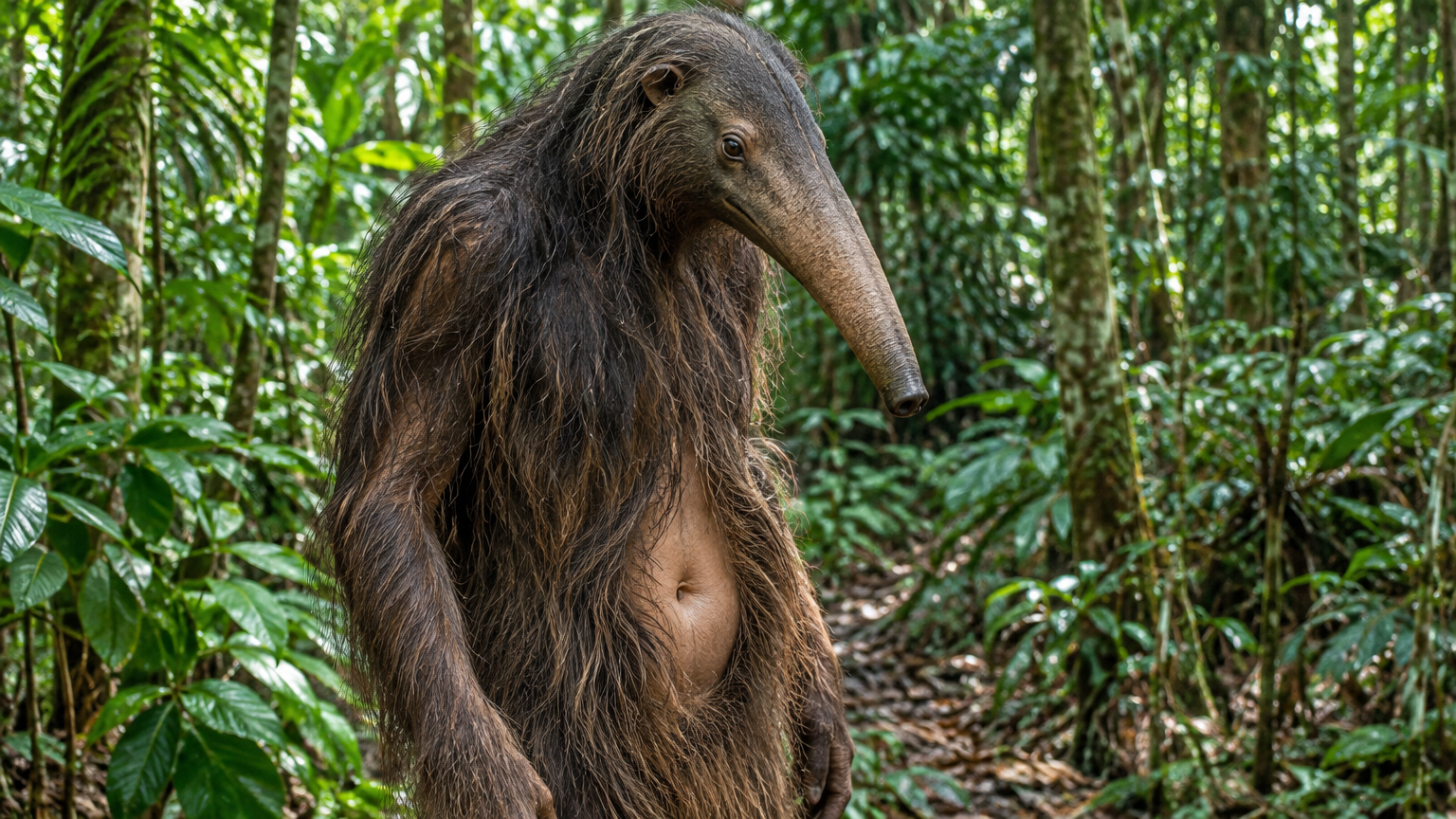
This is a description of an attributed attack pattern, not a second fully narrated encounter with an identified victim. Keeping that distinction preserves the account’s structure: the hunter survives an approach, while the accompanying explanation establishes the danger he was believed to have escaped.
The same account identifies the navel as a vulnerable point. This supplies a defensive motif rather than a documented victory story. No verified episode here describes a hunter exploiting that weakness, and the detail should not be expanded into an invented monster-slaying adventure.
Cultural Impact
Capelobo’s passage into national folklore scholarship is visible in Câmara Cascudo’s Geografia dos Mitos Brasileiros, published in 1947. Its inclusion placed regional accounts alongside other Brazilian monster traditions while preserving differences between an animal-like creature and a being associated with human transformation.
A distinct theatrical reinterpretation appears in a 1949 report titled “Nas selvas do Brasil,” discussing Felícitas’s folklore ballets. In its synopsis, Brazil-nut gatherers capture the voracious Cupelobo, described there as a frightening monkey. The captive subsequently transforms into a beautiful white woman.
That transformation belongs to the documented ballet synopsis. It is not the ending of the Pindaré hunter’s encounter, nor evidence that the older monster was normally understood as a woman under enchantment. The performance illustrates adaptation rather than a single, unchanged regional narrative.
Visual art offered another reinterpretation in Walmor Corrêa’s 2005 Capelobo work. The creature appears as a dissected hybrid, bringing a folkloric body into the visual language of anatomical examination. A 2016 ANPAP study discusses its mixture of human, capybara, and wolf elements.
Those artistic choices differ from the anteater-headed humanoid of the 1931 account. Their significance lies in making an imagined being available for apparently scientific inspection. The artwork reworks the uncertainty between familiar animal parts and an impossible whole, rather than supplying evidence for historical anatomy.
Institutional preservation also matters. The Museu Nacional dos Povos Indígenas research catalog associates the Capelobo subject with Cascudo’s book. This documents the creature’s place in a bibliographic collection, but does not constitute another independently collected encounter or establish how widely the belief was shared.
Similar Beasts
Lobisomem
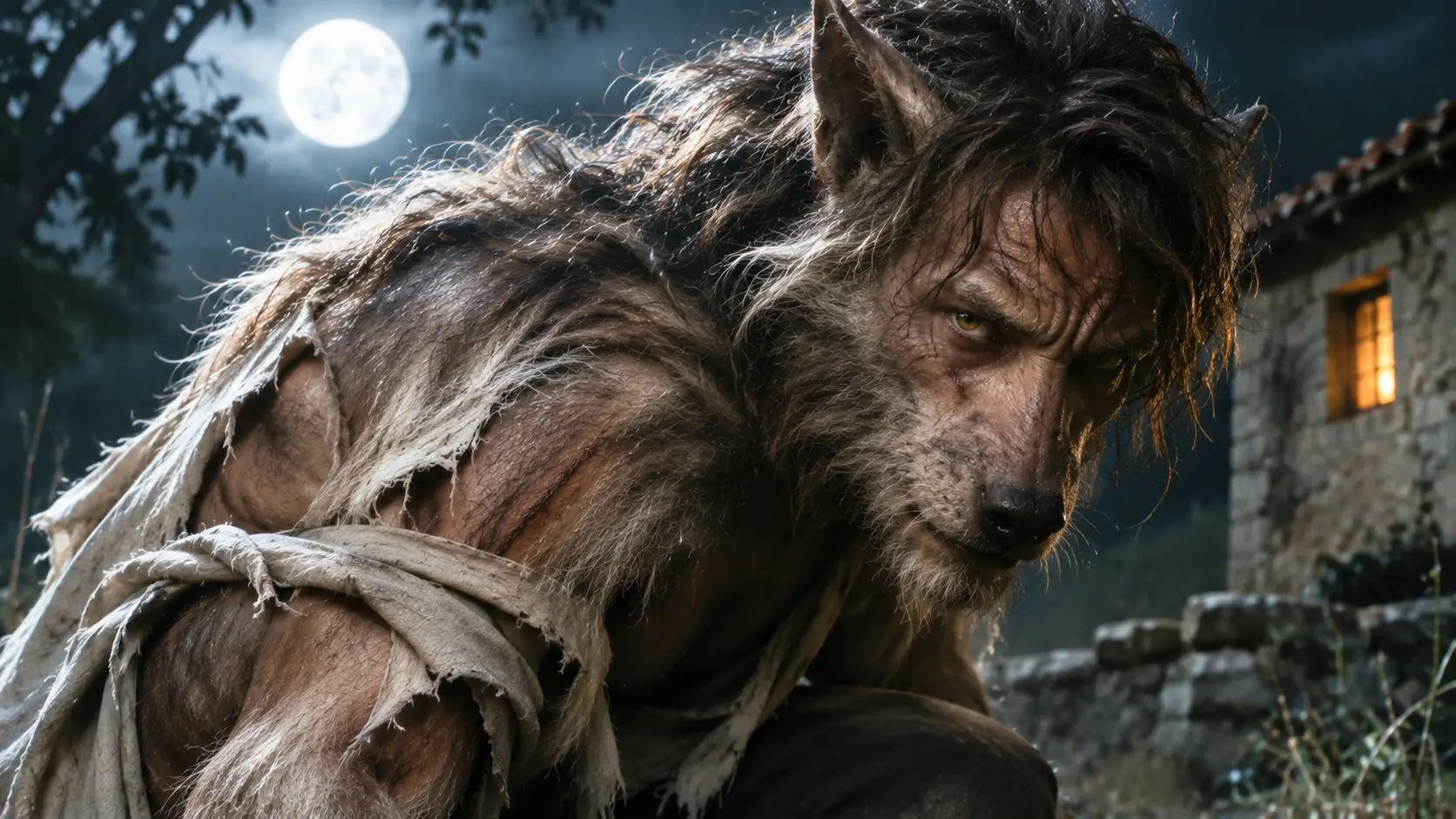
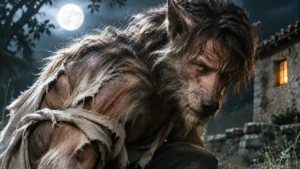
The lobisomem is a human shapeshifter in Portuguese folklore, compelled by fate or enchantment to assume animal form and wander at night. Brazilian traditions also preserve the figure.
Cascudo explicitly compares Capelobo with the werewolf. The strongest connection concerns human transformation, not an identical body, shared name, or proven common origin.
Mapinguari

Mapinguari is another monster of Brazilian forest traditions. It appears alongside Capelobo in Cascudo’s treatment of mythic beings, although the two remain separately named and discussed creatures.
The comparison concerns their forest setting and threatening narrative role. Their proximity in folklore scholarship does not make Mapinguari an alternative name for Capelobo.
Tapuiauara
Tapuiauara is a separately named Brazilian folkloric being used as a comparison for an animal-like Capelobo variant. The comparison belongs to Cascudo’s synthesis rather than Abreu’s hunter narrative.
That Capelobo version has tapir-like feet and dog ears. The resemblance should remain attached to this variant, not redefine the earlier anteater-headed humanoid account.
Boto Cor-de-Rosa

Boto Cor-de-Rosa belongs to Amazonian folklore surrounding the pink river dolphin. Its best-known supernatural characteristic is transformation into human form, often in the role of a seducer.
The parallel is human-animal transformation, relevant to some Capelobo accounts. Aquatic seduction and a dangerous forest encounter nevertheless represent substantially different settings and narrative roles.
Read more about Boto Cor-de-Rosa
Scientific or Rational Explanations
The strongest starting point is the distinction between documented folklore and demonstrated zoology. The 1931 narrative records local testimony relayed to a collector. It establishes that a Cupélobo encounter was reported, but does not independently establish the existence of the creature described.
The reported anatomy combines recognizable features in an unfamiliar arrangement: a human-shaped body, long hair, an anteater-like head, and bottle-bottom-like feet or tracks. These comparisons show how familiar forms describe something extraordinary. They do not identify a particular real animal behind the account.
A later zoogeographic study places Cascudo’s Capelobo material within the Hiléia province and examines its combination of animal forms. This supports reading the monster in relation to regional fauna, but does not demonstrate that one species, mistaken sighting, or environmental event produced the tradition.
The encounter also has a clear narrative structure: an approaching sound creates danger, concealment prevents discovery, and the survivor returns to tell others. This is an observation about the published account’s organization, not proof that the hunter fabricated it or experienced a particular psychological condition.
The cries cannot be confidently assigned to an animal from the surviving description alone. No recording or independently documented observation accompanies the passage. Explaining them as a specific bird or mammal would therefore go beyond the evidence, even if such an identification initially appeared plausible.
Finally, the werewolf comparison offers a folkloric framework, not a settled origin theory. Human transformation, composite anatomy, and dangerous forest encounters can be compared across stories without assuming direct borrowing. The surviving variants are better preserved separately than forced into one biological or historical explanation.
Modern Cultural References
A Parlous Battle – the Kalobo (Capelobo) appears in The Elephant and Macaw Banner story, novel
In this story from The Elephant and Macaw Banner series, the Kalobo – identified as the Brazilian creature also known as the Capelobo – is one of the creatures appearing in the series. The author describes commissioning artwork of the creature for the stories.
Source
Obscurium – Capelobo as an enemy encountered in the game, video game
In Obscurium, a Brazilian folklore-horror deckbuilder, the Capelobo appears as an enemy encounter in the game’s northern region.
Source
Melô de Infitético – Capelobo appears in Criola Beat’s music video as a folklore figure and metaphor, music
In Criola Beat’s 2025 music video “Melô de Infitético,” the Capelobo legend serves as a metaphor for urban oppression and negative forces.
Source
The Elephant and Macaw Banner: A Parlous Battle (2011, Fantasy Fiction)
Christopher Kastensmidt features Capelobo under the name Kalobo in his historical fantasy series. The story introduces the Brazilian creature to international readers through an encounter with the series’ adventurers.
Source: Fox Spirit Books
Encontros Folclóricos de Benito Folgaça (2015, Young Adult Novel)
Written by Alexandre de Castro Gomes, this novel follows Benito through Brazil as he encounters frightening folkloric beings, including Capelobo, Corpo Seco, Pisadeira, and Cabeça de Cuia.
Source: Editora do Brasil
Folklóricas No. 2: Capelobo (2017, Comic Book)
Written by Alex Mir and illustrated by Rafael Oliveira, the comic follows two young Indigenous investigators examining a mysterious murder attributed to Capelobo, combining supernatural horror with criminal investigation.
Source: Universo HQ
Lendas: Chiaroscuro Studios Yearbook (2018, Illustrated Art Book)
This illustrated collection presents Brazilian folkloric creatures through contemporary comic book artists. Júlio Brilha contributes a visual interpretation of Capelobo, bringing the legendary monster into modern Brazilian fantasy art.
Source: Livraria da Travessa
Quebra-Pau: Folclore Brasileiro (2020, Tabletop Card Game)
Developed by Zoyo Games and illustrated by Thomas Destro, this card game includes Capelobo among 36 Brazilian folkloric characters competing through supernatural abilities and distinctive character attributes.
Source: PoçosCom
Bestiário Tropical: Capelobo (2021, Tabletop Role-Playing Game)
Grimório Tropical adapts Capelobo into a monster compatible with Dungeons & Dragons Fifth Edition, introducing supernatural curses, predatory behavior, combat mechanics, and vulnerabilities inspired by Brazilian folklore.
Source: Grimório Tropical
A Maldição do Capelobo: O Guardião do Cemitério São João Batista (2026, Horror Novel)
François Silva Ramos reimagines Capelobo within a supernatural horror story set in Uberaba during the 1980s, connecting the legendary creature with mysterious events surrounding a historic cemetery.
Source: François Silva Ramos – UICLAP
Obscurium (Announced 2026, Upcoming Video Game)
Developed by Wild Pepper Games, this tactical deckbuilding game incorporates Capelobo among supernatural adversaries drawn from Brazilian folklore, combining ritualistic combat, horror narratives, and Brazilian woodcut-inspired artwork.
Source: Indústria de Jogos
Conclusion
Capelobo belongs to the regional folklore of northern Brazil, especially Maranhão and Pará, but its surviving descriptions do not define a single, unchanging creature. The 1931 Pindaré account provides a particularly clear narrative image: a hairy, human-shaped monster with a giant anteater’s head and unusual rounded tracks. Later collections preserve different animal features and transformation beliefs. Keeping these versions distinct respects the tradition’s complexity and prevents a composite modern illustration from being mistaken for a description shared by every account.
The creature’s symbolic force lies in the uneasy boundary between human and animal, and between familiar woodland activities and threatening encounters. The hunter’s escape, the monster’s dangerous embrace, and the reported transformations offer different expressions of that uncertainty rather than chapters in one continuous biography. Its documentation also requires restraint: a collected encounter is not zoological proof, a regional belief is not universal Indigenous doctrine, and a proposed name derivation is not established linguistic history. Those distinctions make Capelobo more intelligible without diminishing its folkloric significance.
Further Reading
Na Terra das Palmeiras, S. Fróes Abreu, 1931
This book records a reported Cupélobo encounter involving a Timbira hunter in the Pindaré woods. It supplies essential narrative detail, physical characteristics, and separately described attack motifs.
(pt.scribd.com)
Geografia dos Mitos Brasileiros, Luís da Câmara Cascudo, 1947
This folklore synthesis places Capelobo among Brazilian monster traditions and preserves differing descriptions. It is useful for distinguishing transformation beliefs and animal-like variants from Abreu’s earlier narrative.
(portalbiblioteca.ufra.edu.br)
Capelobo subject record, Museu Nacional dos Povos Indígenas / FUNAI research catalog
This institutional catalog entry connects the Capelobo subject with Cascudo’s folklore study. It provides a bibliographic reference point rather than an independent encounter narrative or ethnographic account.
(pesquisa.museudoindio.gov.br)
Qual a origem do nome “Capelobo”?, Colecionador de Sacis, 2020
This specialist folklore article examines Cascudo’s proposed derivation and discusses an alternative interpretation. It helps readers understand why the creature’s name should not receive a definitive translation.
(colecionadordesacis.com.br)
Fant asmas animais: uma leitura do estranhamente familiar homem-besta, ANPAP, 2016
This academic conference paper discusses human-animal imagery, including Walmor Corrêa’s treatment of Capelobo. It helps distinguish artistic reinterpretation of the creature from descriptions preserved in folklore collections.
(anpap.org.br)
“Nas selvas do Brasil”, Hemeroteca Digital Brasileira, Fundação Biblioteca Nacional, 1949
This period report discusses Felícitas’s folklore ballets and a Cupelobo adaptation featuring capture and transformation. It documents a performance interpretation, not a universally attested traditional narrative.
(hemeroteca-pdf.bn.gov.br)