
Introduction: Twelve terrors from Slavic folklore
A river could conceal a deadly captor. A forest might hide a one-eyed cannibal. Even sleep offered little safety from beings believed to steal the breath of the living.
Across Slavic folklore, supernatural dangers appeared in familiar places. Some threatened travelers and farmers, while others returned from the dead or invaded the safety of the home.
Our twelve encounters begin with the vodyanoy, ala, vampire or upir, and werewolf: beings associated with drowning, devastating storms, returning corpses, and terrifying transformation.
Next come the rusalka, leshy, zmora, and One-Eyed Likho, whose stories turn fields, forests, bedrooms, and lonely cottages into places of supernatural danger.
Drekavac, Zmey Gorynych, poludnitsa, and strzyga complete the collection, bringing terrifying cries, dragon attacks, deadly noon-hour encounters, and fears surrounding the restless dead.
These beings do not belong to one uniform Slavic mythology. Their stories come from distinct regional traditions, and not every feared spirit was understood as malicious in every account.
What unites them is the danger their stories describe, revealing what communities feared in the landscapes and circumstances of everyday life.
Vodyanoy: The river’s dangerous keeper

Period of time: Recorded in nineteenth-century folklore and literature; these records do not establish when belief began.
Cultural presence: Russian vodyanoy traditions; related Czech vodník traditions have their own distinctive stories.
Neither represents a uniform, pan-Slavic creature.
Appearance: Variable. The site profile depicts a greenish, mossy, frog-like water being; other traditions describe a humanlike male.
Abilities and skills: Drowning people and exercising power within his waters.
Weaknesses: No single vulnerability applies consistently across regional accounts.
In Russian folklore, the vodyanoy haunts rivers, ponds, and millwaters, threatening people whose livelihoods require approaching him.
Stories connecting him with millers make an everyday workplace a dangerous boundary: harnessing water never means fully mastering it.
Czech traditions give the related vodník different narrative details. In Karel Jaromír Erben’s 1853 ballad The Water Goblin, a captive woman’s divided loyalties end in her child’s death, turning waterside danger into a tragedy of family separation.
Trivia Drop
- The Russian name connects the being directly with water.
- Czech vodník tales sometimes place drowned people’s souls inside covered cups.
- His association with mills links supernatural fear to hazardous working water.
- Erben’s poem is a literary treatment, not a transcript of universal belief.
Ala (Hala): The storm demon that devours the harvest
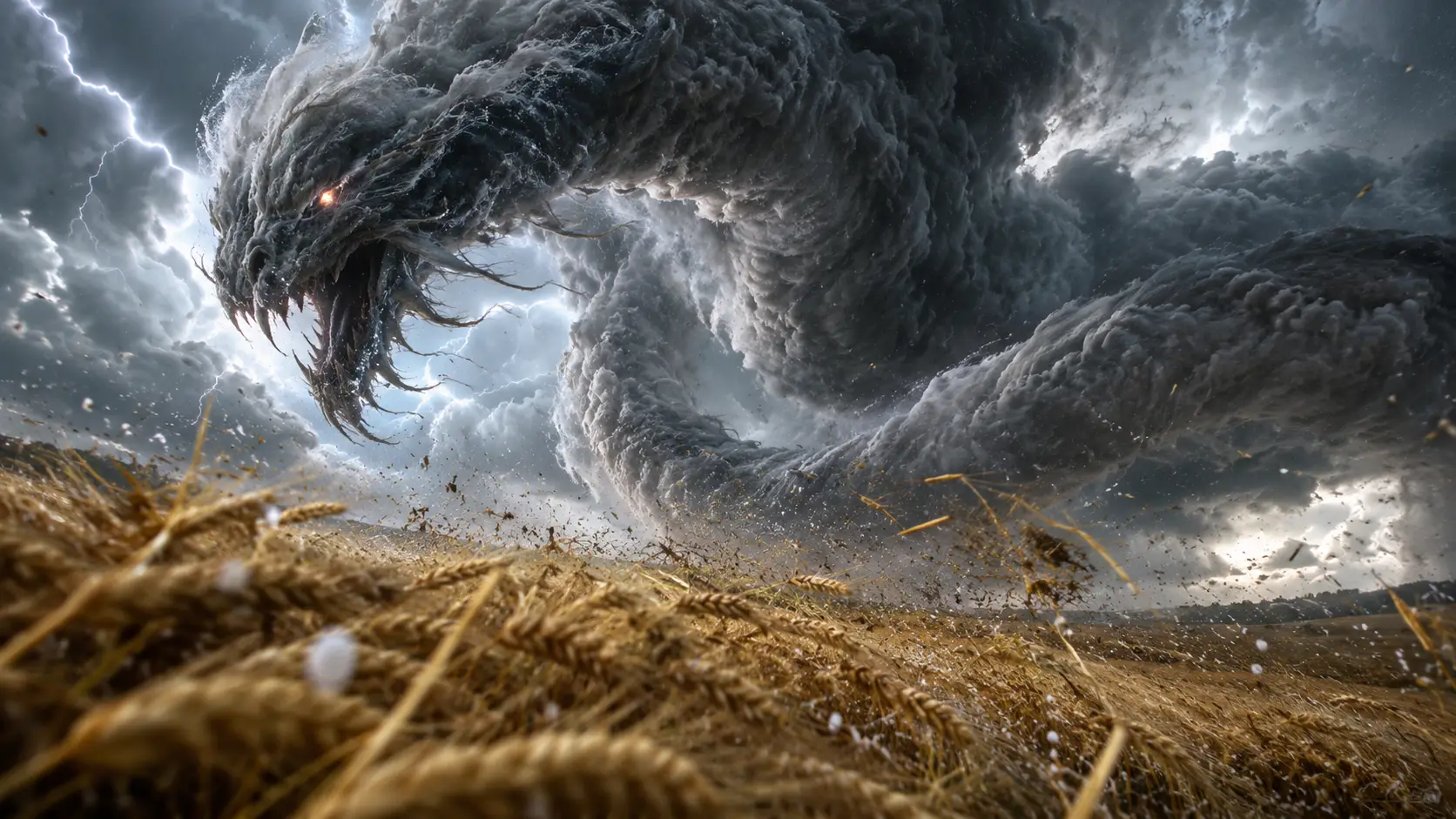
Period of time: Documented in South Slavic ethnographic traditions, especially from the nineteenth and twentieth centuries; these records do not establish an exact origin.
Cultural presence: Serbian, Bulgarian, and Macedonian folklore, with regional differences in names, appearance, and behavior.
Appearance: A monstrous serpent, winged creature, dark whirlwind, or enormous storm cloud. Some accounts describe a terrifying appetite and an immense body.
Abilities and skills: Summoning destructive hailstorms, devastating fields, stealing crops, and, in some traditions, attacking the Sun and Moon.
Weaknesses: Protective dragons, powerful birds, and ritual attempts to turn storms away appear in regional traditions.
No single weakness applies to every account.
For farmers in the Balkans, a black cloud approaching the fields could mean more than an approaching storm. In some South Slavic traditions, an ala was moving through the sky, carrying the destruction of an entire harvest.
The creature was associated with hail, violent winds, and supernatural hunger. A ruined field could be explained as the work of an ala that had consumed its fertility or carried away its crops.
Some Serbian accounts describe battles between the ala and a protective zmaj, a dragon defending the village. Thunder and lightning became signs of an extraordinary struggle taking place above the fields.
The ala’s appetite could extend beyond the earthly world. In certain traditions, eclipses were explained as attempts by these monsters to devour the Sun or Moon.
Unlike the many-headed Zmey Gorynych of Russian heroic tales, the ala’s most characteristic threat was environmental. Its arrival could endanger the food on which an entire community depended.
Trivia Drop
- The ala or hala could appear as a whirlwind, storm cloud, or monstrous serpent rather than one fixed dragon-like creature.
- Some South Slavic stories describe dragons battling these demons to protect crops.
- Regional traditions connected the ala’s supernatural hunger with eclipses.
- A destructive hailstorm threatened an entire farming community, making the ala a collective danger rather than merely a monster attacking one traveler.
Vampire: Upir and the restless dead

Period of time: Prominent eighteenth-century reports; these document beliefs already circulating, not the creature’s beginning.
Cultural presence: Serbian vampir and East Slavic upir/upyr traditions, with substantial local differences.
Appearance: Often a swollen, seemingly undecayed corpse, sometimes showing blood around its mouth.
Abilities: Returning from burial to attack the living, drink blood, or bring fatal illness, depending on the account.
Countermeasures: Staking and burning suspected corpses; no universal catalogue of weaknesses applies.
In Kisiljevo, Serbia, villagers blamed Petar Blagojević for deaths after his burial in 1725. His reported return made bereavement terrifying: yesterday’s neighbour became today’s suspected killer.
Russian upyr traditions likewise concern dangerous returning dead, without matching every Serbian detail. Bram Stoker’s Dracula later recast such fears around an aristocratic predator rather than a village corpse.
Trivia Drop
- Related names do not guarantee identical beliefs across Slavic languages.
- Blood-feeding matters, but some accounts emphasize suffocation or wasting illness.
- Apparent freshness in graves could be interpreted as evidence of supernatural activity.
- Instant destruction by sunlight is not a universal traditional rule.
Strzyga: The feared double-being
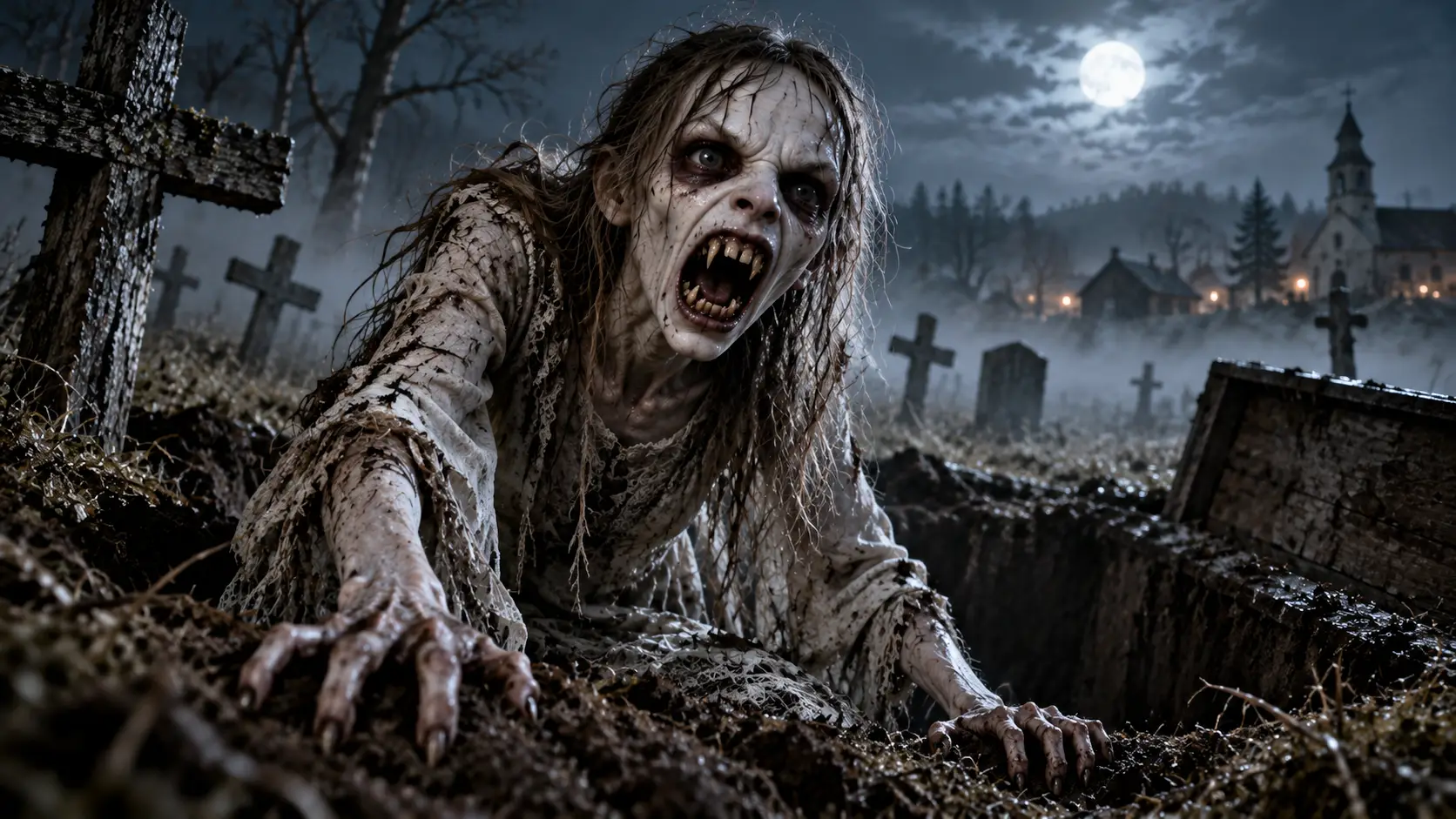
Period of time: Recorded in nineteenth-century Polish folklore; these records do not establish an ancient origin.
Cultural Presence: Polish traditions, including Silesian accounts.
Appearance: Humanlike, sometimes identified during life by unusual teeth.
Abilities: Returning after death, attacking the living, and, in some accounts, drinking blood.
Weaknesses: Some traditions prescribe decapitation or face-down burial to prevent return. Such measures vary locally and are not universal rules.
In some Polish accounts, two souls inhabit one body: death releases one while the other remains dangerously active. Teeth present at birth could mark someone as suspect.
Andrzej Sapkowski’s story “The Witcher” instead makes Princess Adda a cursed striga whom Geralt can restore. His vigil until dawn belongs to literary fantasy, not a universal folk remedy
Trivia Drop
- The male form, strzygoń, also appears in Polish traditions; this danger was not exclusively female.
- Some versions describe two hearts alongside, or instead of, two souls.
- Suspicions could attach to living people before any supposed return from the grave.
- Related names elsewhere do not guarantee identical beliefs, appearances, or protections.
Werewolf: The human who becomes a wolf
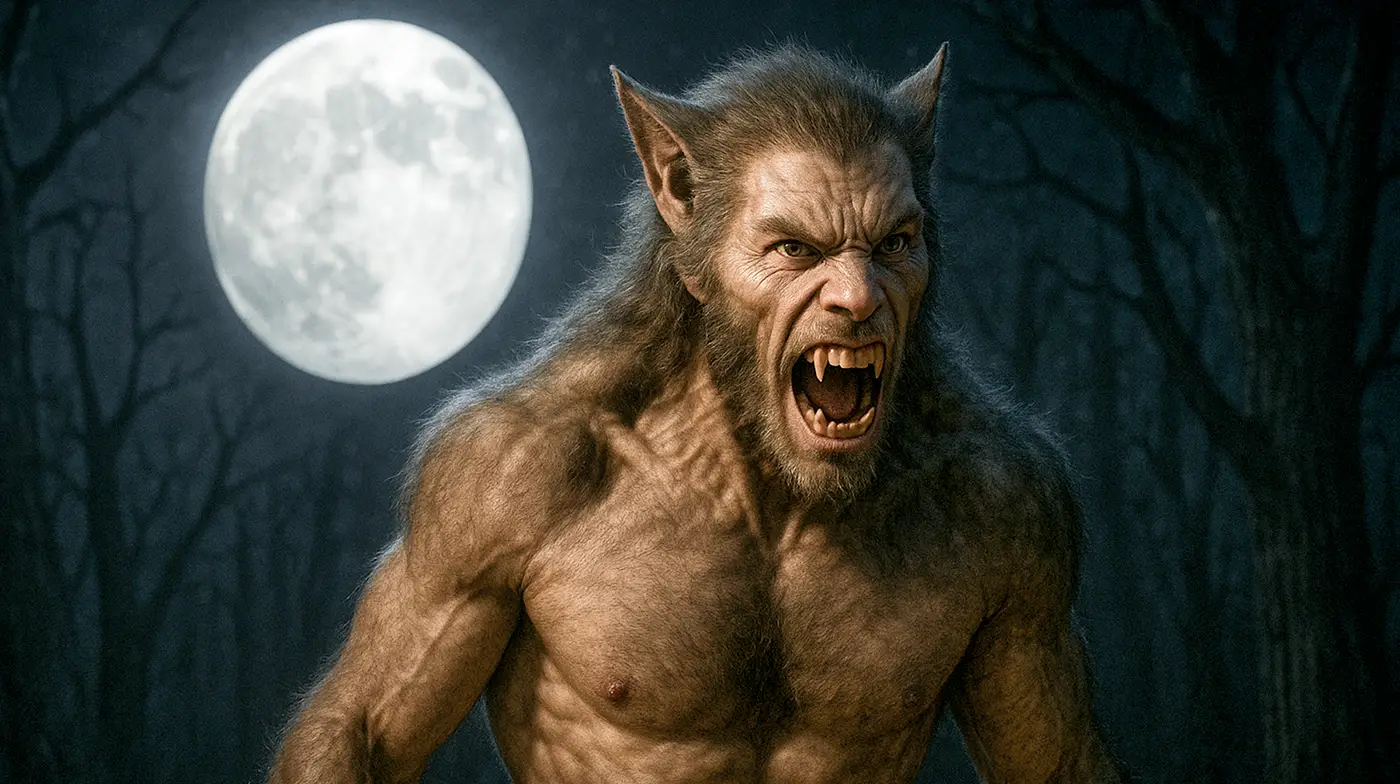
Period of timw: Medieval literary references & later folklore collections document changing traditions, not a single identifiable beginning.
Cultural presence: East Slavic volkolak, Polish wilkołak, and South Slavic related names, whose meanings sometimes overlap with beliefs about vampires.
Appearance: Usually a wolf rather than cinema’s upright wolf-man.
Abilities and skills: Human-to-wolf transformation, sometimes retaining human understanding; speed and danger belong to particular narratives.
Weaknesses: Release from enchantment varies between tales. Neither silver bullets nor compulsory full-moon transformations should be treated as universal Slavic rules.
In The Tale of Igor’s Campaign, Prince Vseslav races through the night as a wolf. This poetic medieval portrait makes transformation uncanny, not a standardized monster biography.
Polish wilkołak tales can portray a cursed sufferer, while East Slavic stories include wedding parties transformed through sorcery. Here, terror means losing human fellowship as well as human shape.
Trivia Drop
- Transformation may be imposed by a sorcerer rather than transmitted through a bite.
- A wolf’s body does not always erase the person’s mind.
- Serbian vukodlak can denote a vampire, complicating straightforward translation as “werewolf.”
- Medieval poetic imagery and later collected folktales represent different kinds of evidence.
Rusalka: The water spirit with many stories
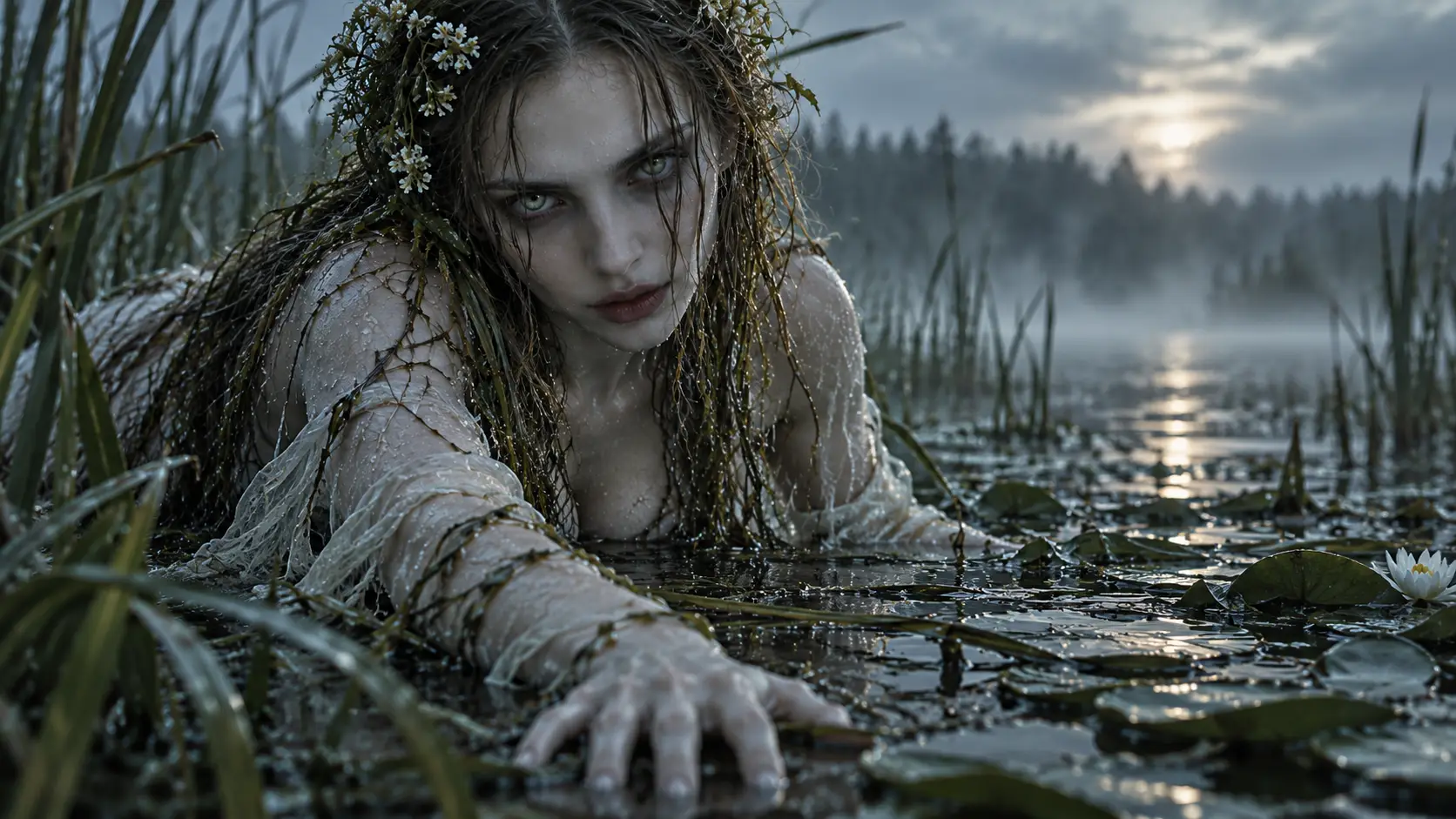
Period of time: Extensively recorded in nineteenth- and early twentieth-century folklore; these collections do not establish when the beliefs began.
Cultural presence: Especially Russian, Ukrainian, and Belarusian traditions.
Appearance: Often female and long-haired, but neither invariably beautiful nor equipped with a fish’s tail.
Abilities and skills: Enticing, drowning, or fatally tickling people in some accounts.
Weaknesses: Wormwood provides protection in certain local traditions, not a universal defense.
In Ukrainian and Belarusian traditions, rusalki may haunt rye fields and woodland during Rusalna Week, associated with the Trinity season. Their seasonal presence makes growing crops and familiar paths dangerous.
Some Russian accounts describe young female spirits threatening people beside water. Other East Slavic traditions connect rusalki with unbaptized children or women who died prematurely, making interrupted lives, rather than seduction alone, central to their menace.
Trivia Drop
- Loose hair is a recurring feature, but appearance varies locally.
- Not every rusalka is explained as a drowned woman.
- Some communities ceremonially escorted rusalki away, restoring safer boundaries for everyday life.
- The familiar mermaid image obscures their associations with fields, forests, and seasonal danger.
Leshy: The forest’s shifting guide
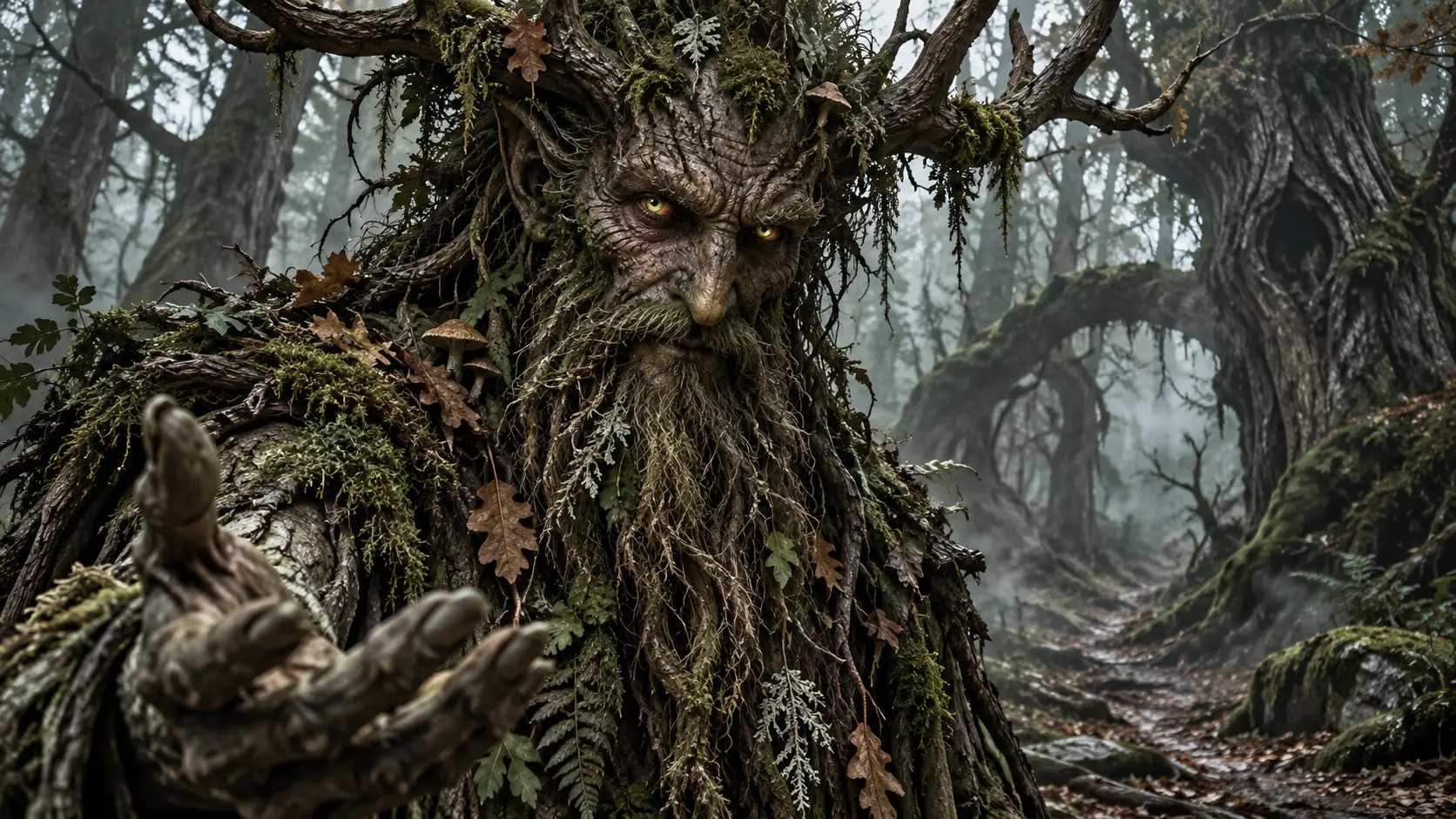
Period of time: Extensively recorded in nineteenth-century folklore collections; the age of individual beliefs remains uncertain.
Cultural presence: Especially Russian forest traditions, with related Belarusian lesavik traditions.
Appearance: Variable, including a humanlike woodland master whose height changes.
Abilities and skills: Shapeshifting, imitating familiar voices, and confusing travellers.
Countermeasures: Some Russian accounts recommend reversing clothing; no universal weakness applies.
In Russian traditions discussed by Alexander Afanasyev in Poetic Views of the Slavs on Nature, the leshy makes familiar woodland treacherous. A borrowed voice can lure someone away from safety.
Belarusian lesavik traditions likewise describe a woodland master, sometimes shaggy or overgrown-looking. These related figures express a practical anxiety: entering the forest means leaving human authority behind.
Trivia Drop
- The name leshy derives from the Russian word for forest, les.
- Changing stature makes the spirit difficult to recognize, rather than giving him one dependable appearance.
- Some northern Russian pastoral traditions describe agreements with forest powers to safeguard grazing livestock, revealing protection alongside danger.
- Turning clothing inside out belongs to particular escape traditions, not a universally effective monster-fighting rule.
- He is a forest spirit, not simply a predatory animal; getting lost can matter more than being attacked.
Zmora: The nightmare that steals your breath
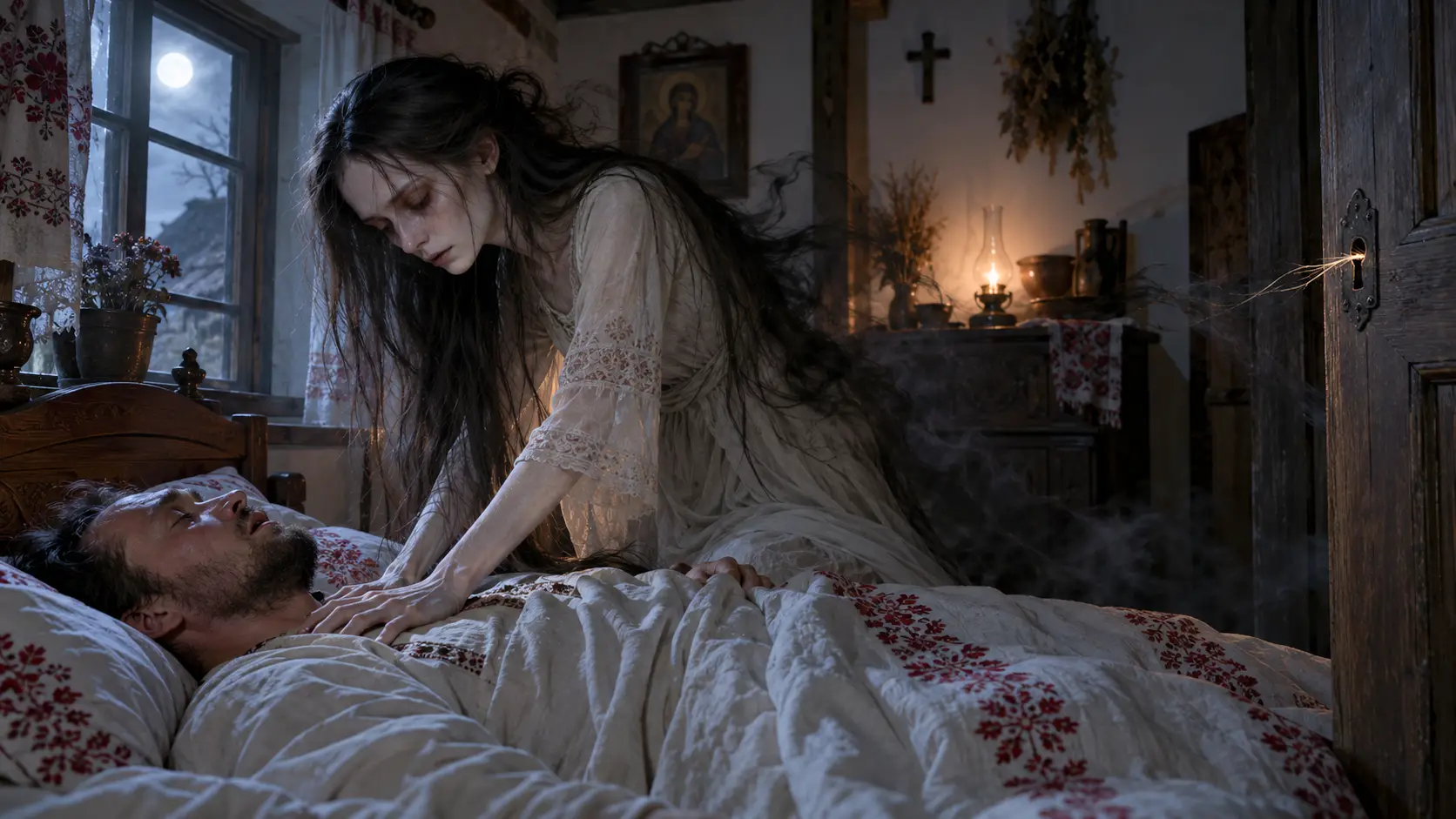
Period of time: Extensively documented in nineteenth- and twentieth-century Polish folklore collections; its beliefs cannot be assigned one secure beginning.
Cultural presence: Polish folk traditions, including regional names such as mara and mora.
Related nightmare beings appear elsewhere in Europe.
Appearance: Often invisible, but also described as a pale woman, wandering soul, animal, or small object capable of slipping into a room.
Abilities and skills: Pressing upon sleeping victims, causing suffocation, draining vitality, and sometimes feeding upon blood.
Weaknesses: Regional accounts describe protective household measures and methods of trapping or identifying the attacker.
No universally effective defense is recorded.
Imagine waking in darkness, unable to move. Something presses against your chest, forcing the breath from your body.
You can feel its weight, but cannot see what is holding you down.
Polish folklore gave this terrifying nocturnal experience a name: the zmora.
In some accounts, the zmora was a wandering soul. In others, it was a living person whose spirit left the body at night, sometimes without the person’s knowledge.
A remarkable recorded story tells of a woman who notices a piece of straw entering her room through the keyhole. Suspecting a zmora, she catches and ties it in place.
By morning, the strange visitor is revealed as a neighboring woman, caught by her hair where the straw had been secured.
Such stories made nighttime danger particularly unsettling. The supernatural attacker might not be a stranger from the wilderness, but someone living nearby.
Modern medicine recognizes sleep paralysis as a possible explanation for some experiences of immobility and pressure during sleep. The folklore, however, gave those sensations a frightening supernatural identity.
Trivia Drop
- Some Polish accounts describe a zmora as the wandering soul of a living person rather than a returning corpse.
- Its form could be human, animal, invisible, or even something as small as a straw.
- Nightmares involving pressure on the chest and an inability to move were associated with its attacks.
- Zmora traditions sometimes overlap with beliefs about vampires and strzygi, but they are not identical creatures.
One-Eyed Likho: The monster waiting for those who seek evil
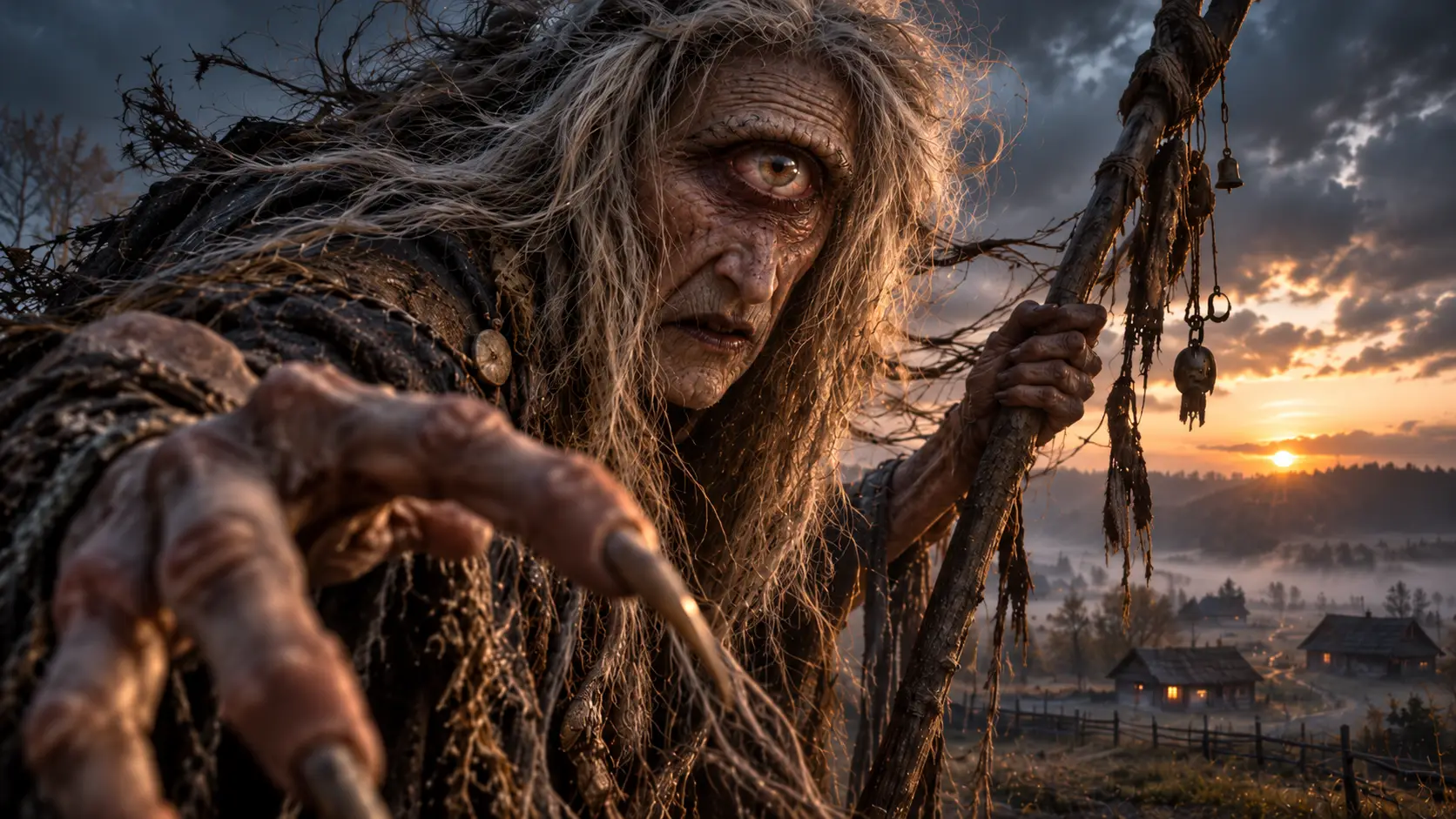
Period of time: Recorded in nineteenth-century Russian folktale collections, including Alexander Afanasyev’s material and W. R. S. Ralston’s 1873 English translation.
Cultural presence: Russian folktales concerning Likho, a personification of evil or misfortune. Related linguistic and folkloric ideas occur in neighboring Slavic traditions.
Appearance: In the best-known tale, a tall, gaunt, crooked woman with a single eye.
Abilities and skills: Killing and devouring humans, trapping victims, and bringing disastrous misfortune to those who encounter her.
Weaknesses: In one collected story, she is blinded through a blacksmith’s trick. Escaping her requires cunning, and even a successful escape may carry a terrible cost.
In the Russian folktale One-Eyed Likho, a blacksmith decides to search for evil. Having never encountered it himself, he cannot understand why everyone fears it.
A tailor joins him. Their journey takes them through a dark forest to an isolated cottage, where they meet a tall, crooked woman with only one eye.
The stranger is Likho, the terrible being they have been seeking.
She kills the tailor, cooks him, and eats him.
The blacksmith survives by offering to forge her a second eye.
He convinces her that the procedure requires her to be bound, then drives a heated metal tool into her remaining eye.
Blinded and furious, Likho guards the doorway.
The blacksmith eventually disguises himself beneath a sheepskin and escapes among her sheep.
But his ordeal is not finished. In the forest, he finds a golden-handled hatchet embedded in a tree.
When he grasps it, his hand becomes stuck.Likho approaches once more. Unable to free himself, the blacksmith cuts off his own hand and flees.
The tale gives a physical form to misfortune. The blacksmith finds the evil he wanted to see, but survives only after losing his companion and part of his own body.
Trivia Drop
- The Russian word likho is associated with evil, adversity, or misfortune.
- The best-known tale depicts Likho as a one-eyed female monster, not a universally standardized species.
- Its story resembles the wider folktale pattern of escaping a one-eyed giant through trickery.
- The warning not to awaken trouble while it is quiet reflects the same idea: seeking evil can bring suffering that was otherwise avoidable.
Read More about One-Eyes Likho
Drekavac: The terrifying scream of the restless dead
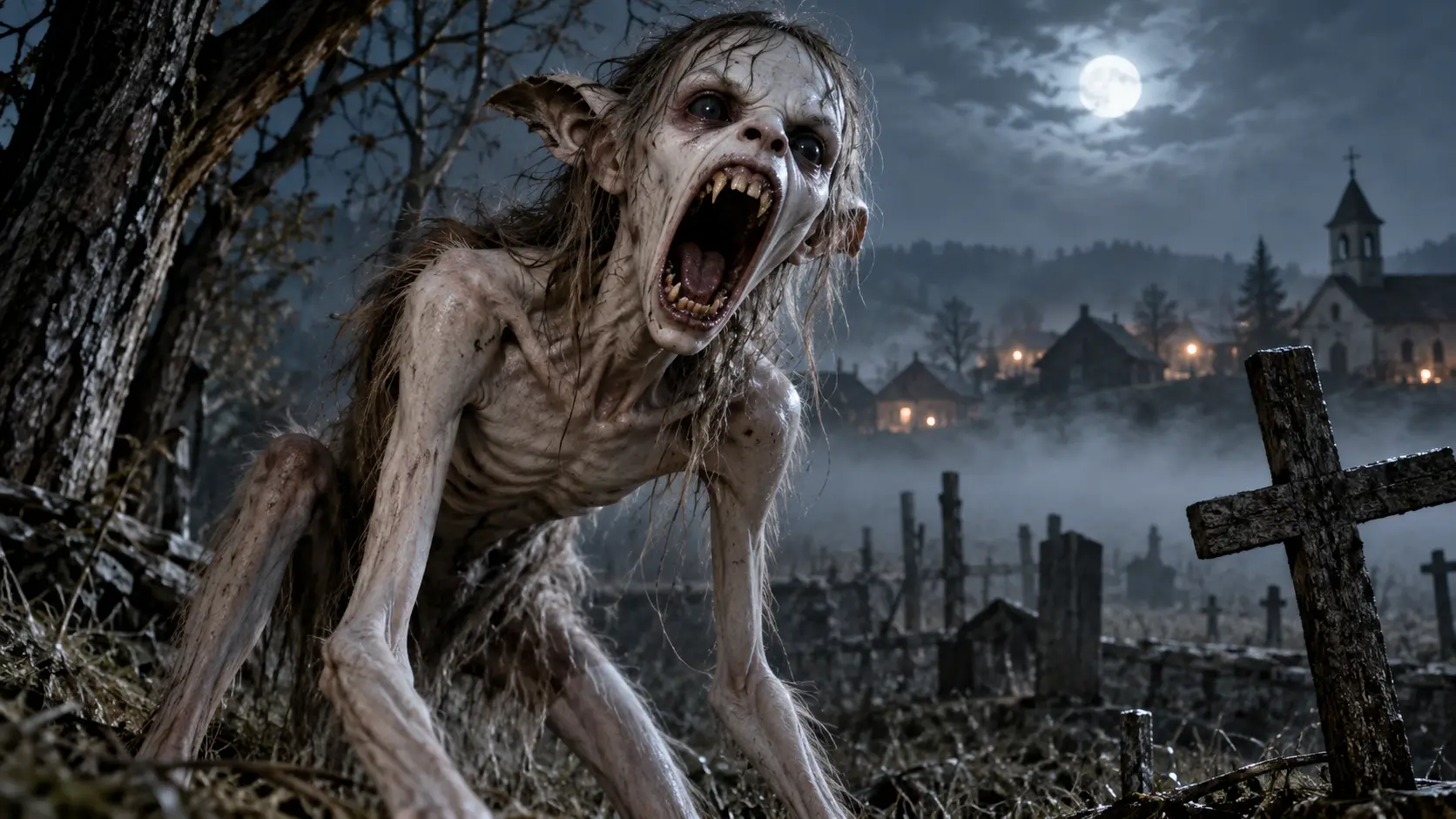
Period of time: Recorded in South Slavic belief traditions and later ethnographic accounts, with contemporary reports demonstrating that the stories continue to circulate.
Cultural presence: Particularly Serbian and neighboring Bosnian, Croatian, and other South Slavic traditions; beliefs differ between local communities.
Appearance: Uncertain and variable. Descriptions include a ghostly child, a strange animal-like creature, or an unseen presence recognized by its scream.
Abilities and skills: Producing terrifying cries, haunting lonely places, and, in some accounts, announcing death, misfortune, or disease.
Weaknesses: No universal vulnerability is established.
Some traditions associate the restless spirit’s release with Christian rites, while other accounts emphasize avoiding the encounter.
A scream rises from the darkness beyond a village. It resembles a child’s cry, but something about it sounds terribly wrong.
In South Slavic folklore, such a sound could be attributed to the drekavac, a supernatural being whose name is associated with screaming or screeching.
Unlike monsters known through elaborate physical descriptions, the drekavac is often identified first through sound. Its uncertain form makes the encounter more disturbing: people might hear it without knowing what waits beyond the light.
Some traditions describe a restless soul, including that of a child who died without baptism. Others associate the creature with the dead returning to haunt familiar places.
The scream could be interpreted as an omen. Depending on the local account, it might announce a death or another approaching calamity.
The creature’s meaning was not always simple malice. Stories involving an unbaptized child could express grief and anxiety about death, religious rites, and a soul unable to find peace.
Modern folklore research also records how unexplained animal cries and reports of strange encounters continue to renew the drekavac legend.
Trivia Drop
- The name drekavac is connected with screaming or screeching.
- Its appearance varies so widely that the terrifying cry is often more recognizable than the body.
- Some accounts associate it with restless children or other dead people.
- Contemporary sightings and stories belong to the legend’s continuing cultural history, not independent proof that the creature exists.
Zmey Gorynych: The many-headed dragon
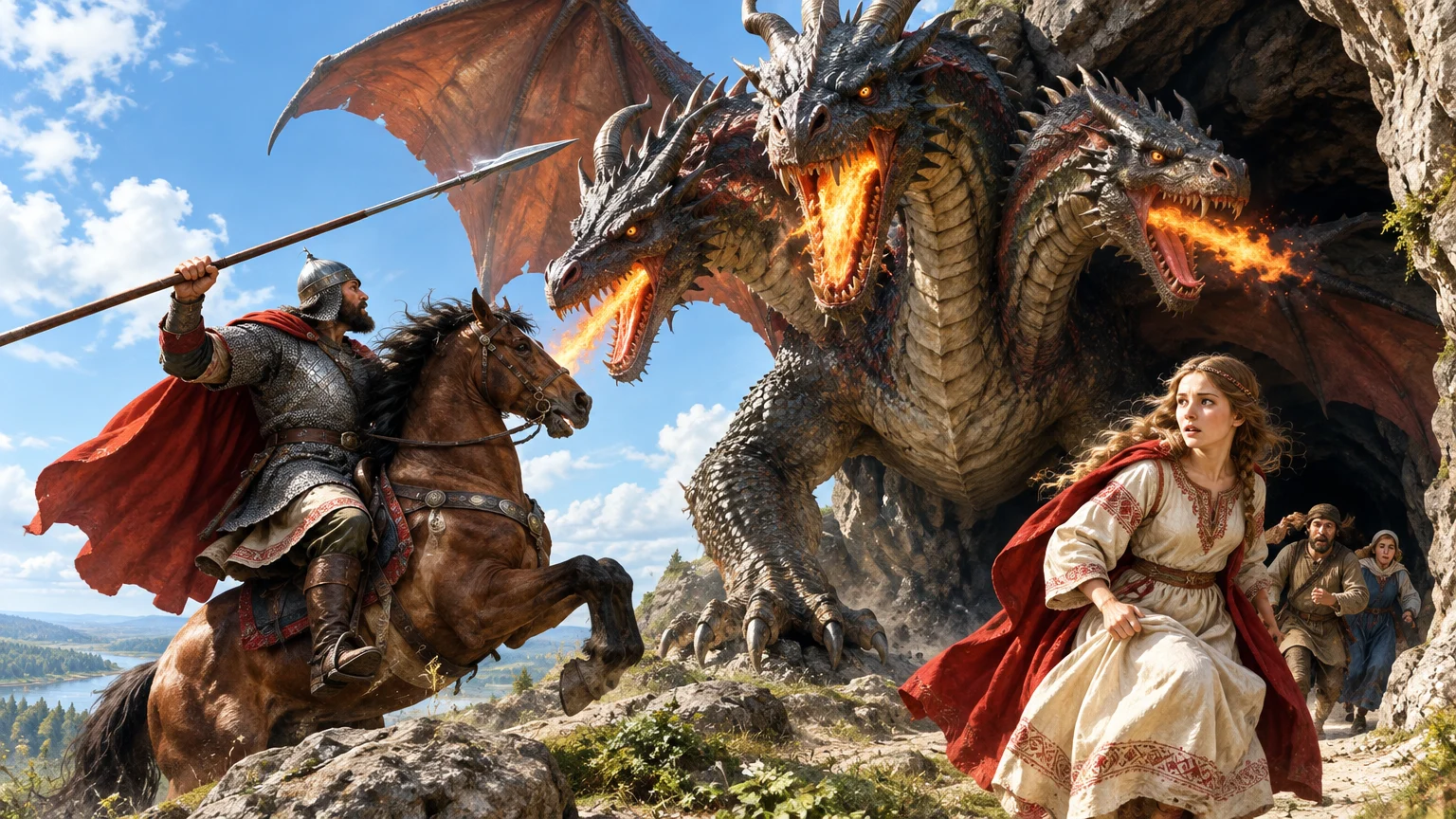
Period of time:Eighteenth- and nineteenth-century recordings preserve older storytelling, not a securely dated origin.
Cultural presence: Russian heroic songs, or byliny, and folktales.
Appearance and abilities: A many-headed, flying, fire-breathing dragon, often three-headed in familiar portrayals. It can speak and bargain; details differ between versions.
Weaknesses: Vulnerable to heroic weapons, but no universal weakness applies.
In versions of Dobrynya and the Dragon, an initial encounter ends in a pact. The dragon breaks it by abducting Zabava, Prince Vladimir’s niece.
Dobrynya’s renewed battle frees Zabava and other captives, making victory an act of rescue. This Russian epic enemy should not define every Slavic dragon tradition.
Trivia Drop
- Zmey belongs to the Russian vocabulary of serpents and dragons, rather than naming only this particular monster.
- Dobrynya Nikitich, a bogatyr or epic champion, is the dragon’s celebrated opponent; their conflict tests courage and responsibility.
- The broken agreement makes the dragon dangerous through treachery as well as overwhelming physical force.
- Head counts and combat details vary across tellings; three heads are recognizable, not an obligatory feature of every version.
- South Slavic zmaj traditions can include protective figures, so related names do not guarantee identical characters or moral roles.
Poludnitsa: The noon-hour threat
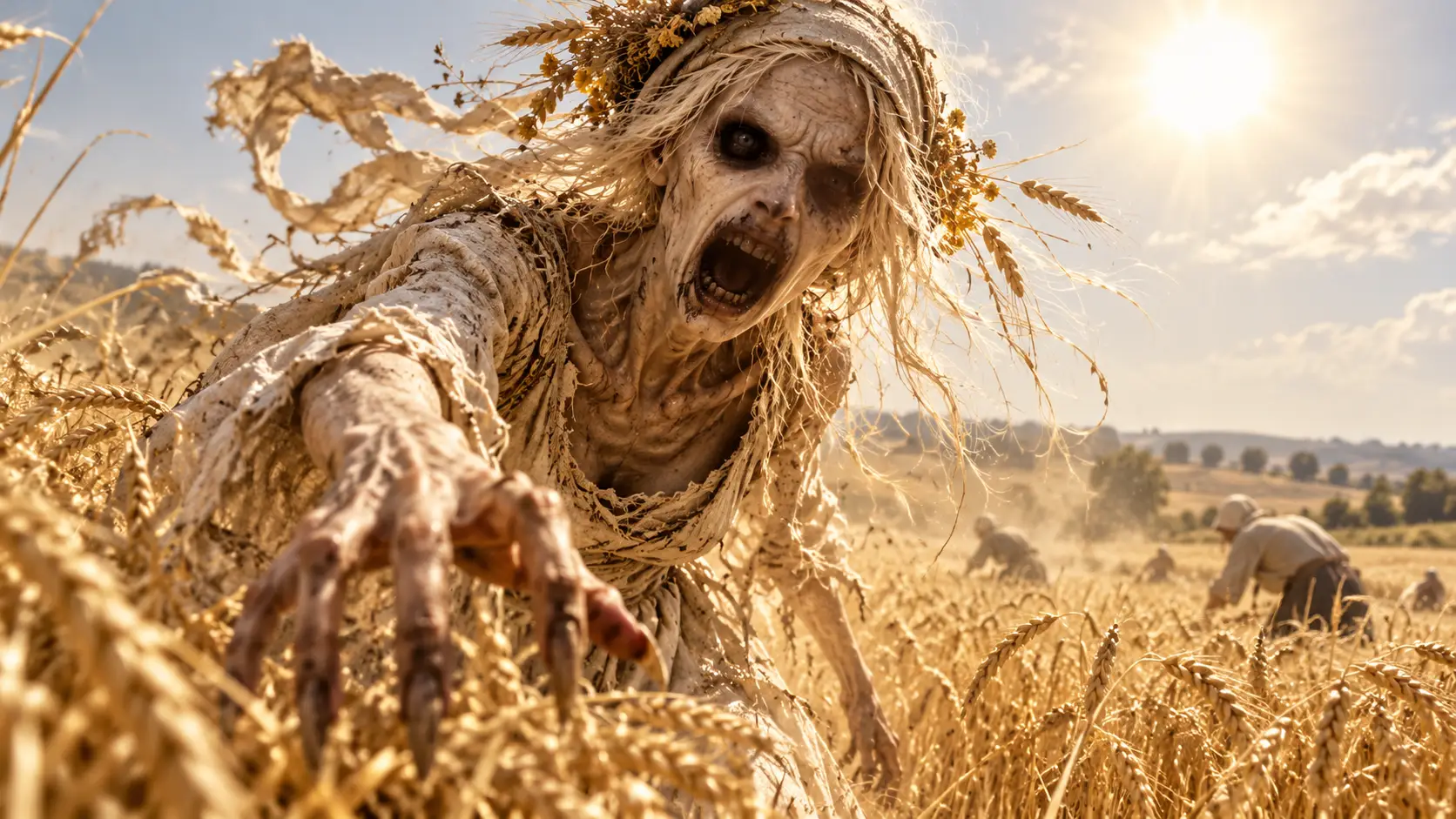
Period of time: Nineteenth-century folklore collections record regional traditions; their beginnings cannot be securely dated.
Cultural presence: Russian poludnitsa, Polish południca, Czech polednice, and Sorbian připołdnica traditions share midday associations but differ in encounters and appearance.
Appearance and abilities: Often female, sometimes white-clad; particular accounts describe a young woman or frightening elder who threatens fieldworkers with illness or death.
Skills and avoidance: Some Sorbian accounts feature prolonged questioning.
Leaving the fields at noon avoids exposure; no single weapon or universal weakness defines her.
In Sorbian Lusatia, the noon woman may demand an explanation of flax cultivation and processing. Sustaining the answer through her dangerous hour makes agricultural knowledge protective.
Czech writer Karel Jaromír Erben’s Polednice, published in Kytice in 1853, brings her indoors: a mother’s threat summons catastrophe, ending with her child dead.
Trivia Drop
- Her name connects the danger to noon, not the midnight hour familiar from many supernatural tales.
- Polish accounts sometimes give her a sickle, turning a harvesting implement into an instrument of threat.
- Her association with oppressive heat invites comparison with heat illness, but that remains interpretation, not a complete explanation.
- Erben’s poem is a literary adaptation, not evidence that every regional noon spirit endangered children indoors.
Conclusion: Twelve monsters, twelve different fears
Slavic folklore did not confine monsters to distant mountains or enchanted castles. Danger might rise from a village well, approach within a storm cloud, or enter a bedroom while its victim slept.
The vodyanoy threatened those who approached dangerous waters, while the ala could devastate an entire harvest. Leshy confused travelers in the forest, and the zmora turned sleep into a terrifying ordeal.
One-Eyed Likho embodied destructive misfortune, while the drekavac filled the darkness with cries associated with death and suffering.
Vampires and strzygi challenged the boundary between life and death. Werewolf stories explored the loss of human identity, while rusalki brought supernatural danger into seasonal landscapes.
Zmey Gorynych confronted legendary heroes through violence and abduction, and poludnitsa transformed the noon-hour fields into places of peril.
Their stories differ because the cultures that preserved them differed. Some describe actively hostile monsters; others concern supernatural powers that became dangerous under particular conditions.
Together, they reveal a world in which ordinary places could become extraordinary sources of fear.
Further Reading
The studies and collected tale below offer focused reading on particular beings. The broader guides provide starting points for exploration, rather than direct evidence for every creature discussed here.
Medieval chronicles, later folklore collections, literary adaptations, and modern religious interpretations should be read as different kinds of sources.
Slavic Mythology Source Guide | Mythic Archive
An introductory guide to texts and traditions used in studying Slavic mythology.
Follow its references to the underlying sources when investigating a specific historical claim.
Source: https://mythicarchive.org/articles/slavic-source-guide
The Primary Chronicle and Slavic Paganism | Mythologis
A popular introduction to the Primary Chronicle, an early twelfth-century chronicle of Rus’.
Its accounts of pagan worship are important evidence, but reflect Christian chroniclers’ perspectives and do not document every Slavic region or the full range of later monster traditions.
Source: https://mythologis.com/mythologies/europe/slavic/texts/primary-chronicle-slavic-paganism
The Essential Slavic Mythology Reading List: 15 Books That Go Beyond Wikipedia | Dark Slavic Lore
A popular reading guide covering folklore collections, historical sources, scholarship, and fiction.
Distinguish the collected material from the interpretations of its editors, and check publication and translation details against the editions themselves.
Source: https://darkslaviclore.com/myths/slavic-mythology-books
Home | StorytellingDB
A general storytelling and mythology resource, included for broader browsing rather than as a specific source for the Slavic beings in this article.
Source: https://storytellingdb.com/
Slavic Mythology Timeline | Mythic Archive
An introductory chronological reading guide. Dates of surviving texts or folklore collections should not be mistaken for secure dates when particular beliefs began.
Source: https://mythicarchive.org/articles/slavic-timeline-guide
Resources | Books and Media on Slavic Native Faith
A resource list on Slavic Native Faith and Rodnovery.
Modern religious interpretations should be distinguished from historical evidence for pre-Christian beliefs and from later regional folklore.
Source: https://slavicnativefaith.com/resource-list/
La (pseudo)mythologie slave. Un aperçu – Iris
A French-language article on Slavic pseudomythology, relevant to distinguishing documented traditions from later inventions and reconstructions.
Source: https://doi.org/10.35562%2Firis.4087
Zmora: O heterogeniczności ludowych wierzeń demonicznych by Piotr Grochowski and Pamela Staroń, 2016.
Scholarly study of Polish zmora beliefs drawing on folklore records.
Examines nocturnal attacks, appearances, transformations, and protective customs.
Source: https://repozytorium.umk.pl/server/api/core/bitstreams/44ac1860-54bf-4a71-b523-6d947810225a/content
One-Eyed Likho by W. R. S. Ralston, Russian Folk-Tales, 1873, Chapter III, pp. 178–184.
English translation of a collected Russian tale from Afanasyev’s collection, featuring the blacksmith, tailor, one-eyed cannibal, and terrible escape.
This is a particular tale, not a catalogue of beliefs shared across all Slavic cultures.
Source: https://surlalunefairytales.com/book.php?id=124&tale=4073
Drekavac u folklornom imaginariju i metaforičkim strukturama kulture pamćenja by Jelenka Pandurević, 2020, pp. 85–114.
Scholarly study of the screamer’s traditional beliefs, frightening sounds, narrative transformations, and modern cultural appearances.
Source: https://www.pub.unibl.org/s/eng/item/23977
Etnolingvistička geografija Južne Slavije by Anna A. Plotnikova, ethnolinguistic study.
Documents regional South Slavic traditions involving ala and related storm beings, destructive hail, monstrous appearances, and conflicts in the clouds.
Source: https://www.promacedonia.org/ap2/ap_2_3.htm
Explore Related Beasts
 BannikIntroductionThe bannik is a spirit associated with the traditional East Slavic bathhouse, especially the Russian banya. Folklore usually presents…
 DragonDragon, the fire-breathing giant from global myths, symbolizes chaos, power, and treasure guardianship, appearing in countless heroic and dark…
 MermaidHalf-human and half-fish, the Mermaid is a shape-shifting aquatic hybrid tied to sea myths across various cultures, especially known…
 PredatorPredator, a fictional alien species, is known for its exceptional hunting skills and advanced technology. It has been prominently…
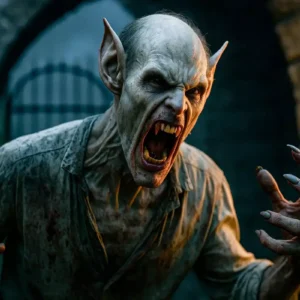 VampireA fearsome undead being from Eastern European folklore, the Vampire feeds on life essence. It is tied to dark…
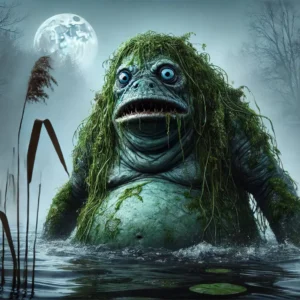 VodyanoyThe Vodyanoy is a Slavic water spirit known for its temper and affinity for rivers and ponds, capturing unwary…
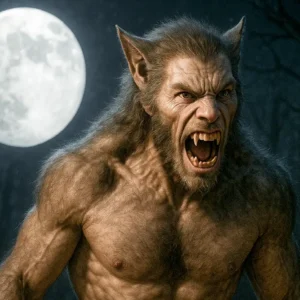 WerewolfA cursed shape-shifter from Medieval Europe, the Werewolf transforms during the full moon. Feared for uncontrollable rage, it embodies…